

The impact of anti-China disinformation on South Korea's year of crisis
- Last update: 29 minutes ago
- 4 min read
- 876 Views
- WORLD
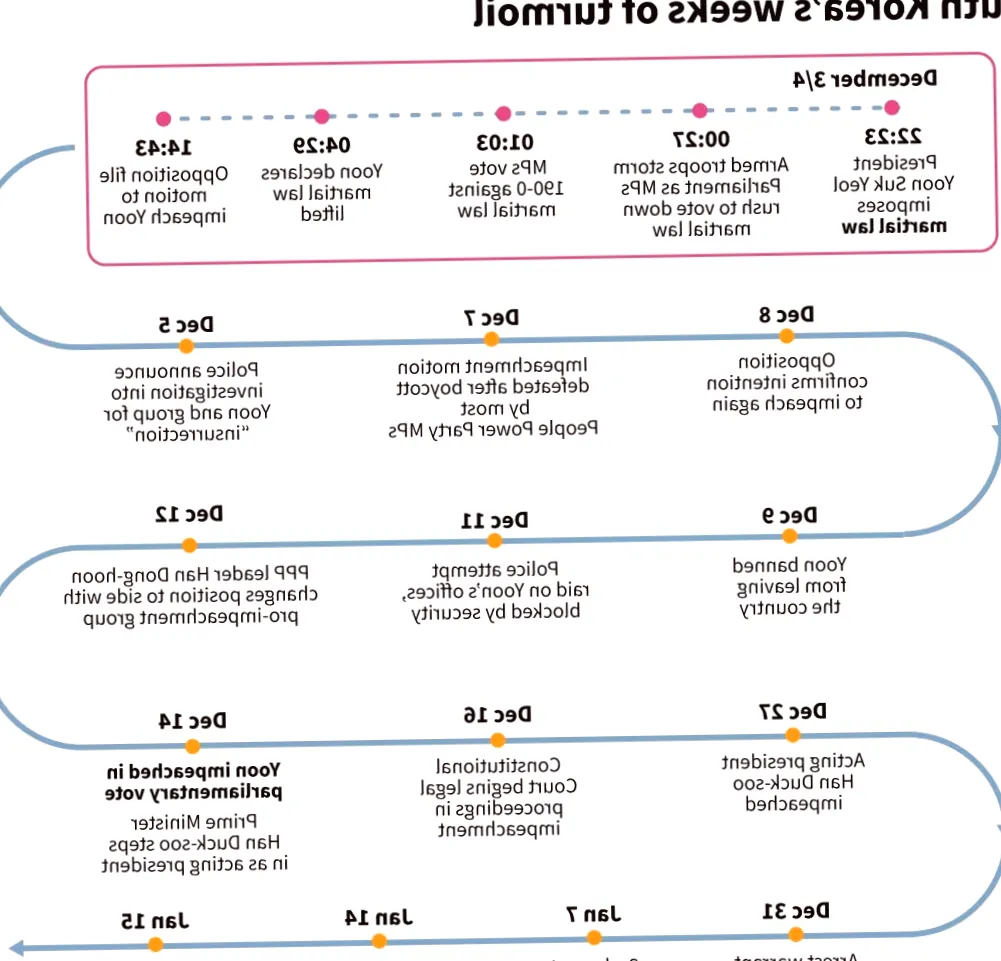
South Korea faced a severe political crisis when former president Yoon Suk Yeol attempted and failed to declare martial law in December 2024. The resulting impeachment and political instability created a fertile environment for the spread of false narratives, particularly blaming China for the nation's upheaval.
Supporters of Yoon and aligned politicians claimed Beijing influenced protests, funded his impeachment campaign, and manipulated public opinion online ahead of the June snap election that brought opposition leader Lee Jae Myung to office. Yoon himself contributed to the narrative in December 2024, warning that "forces linked to North Korea and China are threatening our democracy from within" during a televised defense of his martial law attempt.
However, fact-checking revealed no verifiable evidence to support claims of Chinese interference, including alleged spy arrests and rumors of Chinese-backed protests. Analysts note that these narratives reflected domestic political rivalries and longstanding anti-China sentiment rather than actual foreign involvement.
Ha Nam-suk, a professor at the University of Seoul, explained: "There was once goodwill toward China, based on economic partnerships. But as competition intensified and cultural disputes arose, resentment grew. Politicians exploited this frustration to rally support."
Anti-China sentiment manifested in public demonstrations during August and September 2025, where right-wing groups waved flags and chanted against supposed "Chinese infiltration." Surveys indicated that South Koreans negative perceptions of China increased, while Chinese residents in Seoul experienced heightened discrimination and harassment.
Origins of Disinformation
The first wave emerged in January 2025, following Yoon's impeachment. Right-wing YouTubers falsely claimed that "99 Chinese spies" had been arrested at the National Election Commission and sent to Okinawa by the US military. Fringe forums and conservative media amplified the story, which was later debunkedphotos used were from 2016 and involved Chinese fishermen detained for illegal fishing. Both the NEC and US Forces Korea confirmed the reports were false.
Despite debunking, the false story spread across pro-Yoon networks. Social media posts portrayed AI dashboards as evidence of a Chinese "bot farm" manipulating public opinion, though they were actually demonstrations of an AI program named Manus.
Courts and Conspiracies
In February 2025, attention shifted to the Constitutional Court, which was reviewing Yoon's removal. Justice Moon Hyung-bae became the target of doctored images falsely showing him pledging allegiance to a Chinese flag. When the Court ousted Yoon in April, conspiracy theories suggested the judiciary had been compromised. Public distrust in the court rose above 40%, and pro-Yoon protesters even stormed a court issuing Yoons arrest warrant.
Anti-Yoon demonstrations were also misrepresented online. A poster in central Seoul intended for tourists was falsely portrayed as evidence of Chinese orchestration of Yoons removal.
Election and Continued False Narratives
After opposition leader Lee Jae Myung won the June 3 election, anti-China narratives resurfaced. False claims circulated online that China had influenced the election, although the cited reports only mentioned general concerns about Chinese influence in global democracies. The misinformation merged dissatisfaction with Yoon's impeachment and suspicion toward Lees engagement with Beijing. Pro-Yoon politicians and influencers spread baseless assertions about Chinese involvement, which gained tens of thousands of interactions on social media.
Immigration and Election Fraud Rumors
Later in 2025, disinformation shifted toward immigration. A visa-free program for Chinese group tourists ahead of the APEC summit was falsely portrayed as a plan to commit election fraud. Authorities clarified that only long-term residents could vote, making fraud impossible, yet rumors persisted online. Claims that Chinese nationals could enter South Korea without checks were also debunked by the Justice Ministry.
Experts note that after Yoon's fall, hard-line groups sought a new target, turning general anti-China sentiment into a broader ideological campaign. Ha Nam-suk observed that this pattern reflects a wider trend seen in other democracies, where political movements create an external enemy to consolidate internal support.
Author: Caleb Jennings
Share
Three officers killed by roadside bomb in northwestern Pakistan
8 minutes ago 2 min read WORLD

Civil Administration retrieves numerous stolen artifacts from a site in the West Bank
11 minutes ago 2 min read WORLD

Explosion in western Mexican state of Michoacan leaves 2 dead, 7 injured
13 minutes ago 2 min read WORLD
The impact of anti-China disinformation on South Korea's year of crisis
14 minutes ago 4 min read WORLD

Deportation flights from the US to Venezuela will keep going
15 minutes ago 1 min read WORLD

Bethlehem welcomes back Christmas celebrations, kicks off with tree lighting
15 minutes ago 2 min read WORLD

Remote wilderness along Alaska-Canada border struck by Magnitude-7.0 earthquake
16 minutes ago 1 min read WORLD

France is preparing to introduce drone swarms into its armed forces within two years
16 minutes ago 3 min read WORLD

Government Ministers consider construction and hospitality industries as potential sources of employment for young people.
19 minutes ago 3 min read WORLD
Oldham bungalow fire claims man's life
22 minutes ago 1 min read WORLD