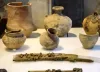

Civil Administration retrieves numerous stolen artifacts from a site in the West Bank
- Last update: 34 minutes ago
- 2 min read
- 719 Views
- WORLD
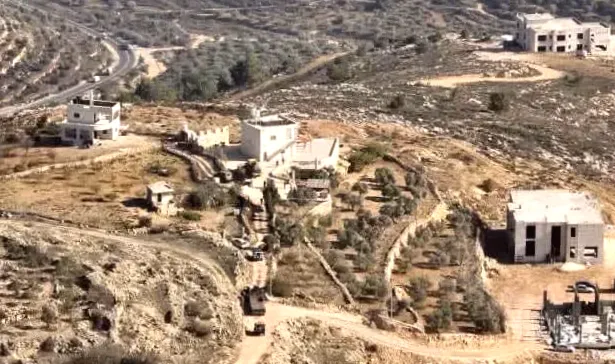
Authorities conducted a targeted operation at the Burj Lasana site, located in Area B near Wadi Haramiya, retrieving a range of items dating back to the Crusader and Byzantine periods from a villa constructed within the archaeological area.
The Civil Administrations Archaeology Staff Officer led the recovery on Thursday, securing dozens of artifacts after inspectors found that the construction of a Palestinian villa had caused damage to ancient remains.
Inspectors from the enforcement unit, acting under the Archaeology Staff Officers supervision, confiscated rare antiquities previously looted from the nearby Crusader fortress. The recovered objects included coins, stone capitals, decorative stones, and Byzantine-era columns that had been incorporated into the villas design. Additionally, a metal detector discovered on the property was seized.
All recovered items were transferred to the Good Samaritan Museum for study and exhibition, a facility operated by the Civil Administrations archaeology division.
Officials stated that this operation is part of a broader initiative to safeguard heritage sites, prevent illegal antiquities trading, and preserve archaeological treasures throughout the region.
Historical Significance of Burj Lasana
Perched on a hill overlooking Wadi Haramiya, Burj Lasana is recognized as a key archaeological site. Excavations indicate continuous settlement from the Iron Age through the medieval period, with findings that include Crusader fortifications, fragments of Byzantine church architecture, burial caves, ritual baths, and early Roman agricultural structures.
Enhanced Oversight Following Political Directive
In response to a political directive, the archaeology unit intensified surveillance to prevent looting and identified those responsible for the sites damage. Unauthorized construction inside the area caused significant disruption to the historical layers and harmed ancient remains.
The head of Enforcement, Investigations, and Intelligence within the archaeology unit emphasized: Safeguarding antiquities is essential to preserving the regions history. Damage to ancient sites affects not only the artifacts but also our ability to understand and document their historical context. We will continue to act decisively to combat theft and protect national heritage and the regions past.
Author: Chloe Ramirez