

Resembling a small kangaroo, this species is bouncing back from the brink of extinction
- Last update: 4 days ago
- 3 min read
- 11 Views
- WORLD
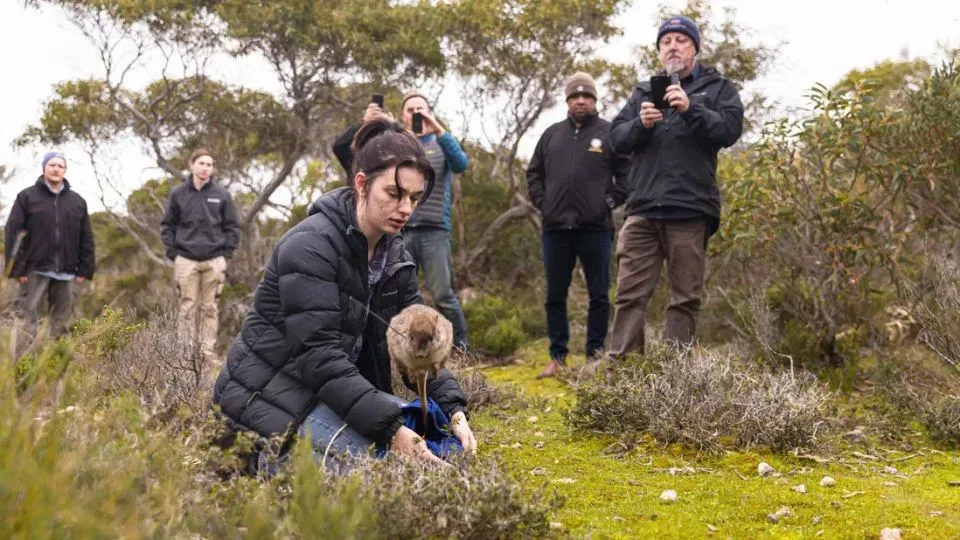
The brush-tailed bettong, a small marsupial resembling a miniature kangaroo with a pouch for its young, has a surprising survival tactic: when threatened, it can eject its joey to distract predators while it escapes. This seemingly harsh behavior has been crucial for a species that was once declared extinct on South Australias Yorke Peninsula.
Historically, brush-tailed bettongs, also called woylies, roamed over 60% of mainland Australia. European settlement brought feral predators such as cats and foxes and destroyed vast tracts of native grasslands and woodlands. Between 1999 and 2010, their population plummeted by 90%, partly due to the spread of blood parasites and other environmental pressures. Today, the species survives in only a few islands and isolated mainland areas in Southwestern Australiajust 1% of its original habitat.
Our goal is to restore native species that disappeared following European colonization, explains Derek Sandow, project manager for Marna Banggara, an initiative aimed at bringing back Yorke Peninsulas ecological diversity. Originally launched in 2019 as the Great Southern Ark by the Northern and Yorke Landscape Board, the program was renamed to honor the local Narungga people, who are deeply involved in its efforts. In our language, Marna means good, prosperous, healthy, and Banggara means country, says Narungga community member Garry Goldsmith.
To create a safe environment for reintroduction, the team built a 25-kilometer predator-control fence across the Yorke Peninsula, establishing a 150,000-hectare protected area for the brush-tailed bettong, known as yalgiri in the Narungga language. Weve reduced fox and cat threats to a level that allows these yalgiri to survive, find food, and establish refuges, says Sandow.
Between 2021 and 2023, nearly 200 brush-tailed bettongs were reintroduced to the protected zone. Individuals were sourced from multiple Western Australian populations to strengthen genetic diversity. Increasing species diversity is vital because these animals carry the genetic foundation for the species future here, Sandow explains.
Brush-tailed bettongs primarily eat underground fungi, supplemented by bulbs, seeds, and insects. Their digging habits play a key ecological role. A single yalgiri can turn over two to six tons of soil annually, acting as natures gardeners, says Sandow. This activity aerates the soil, enhances water filtration, and promotes seedling growth, benefiting the broader ecosystem.
The reintroduction program is showing strong results. Recent monitoring found that almost 40% of the bettongs captured were offspring of the original reintroduced population, and most of the females were carrying young, indicating a healthy, reproducing community.
Looking ahead, the Marna Banggara team hopes to reintroduce additional locally extinct species, including the southern brown bandicoot, red-tailed phascogale, and western quoll. Sandow notes that restoring ecosystems through species reintroduction and predator management can also benefit local industries, including tourism and agriculture. Conservation and economic growth dont have to be at odds, he says.
Author: Sophia Brooks
Share

Ambitious but necessary: New hospital costing £2.3 billion
9 seconds ago 2 min read WORLD

Acrobat Passes Away 3 Months After Backflip Accident at Zoo Performance
3 minutes ago 1 min read WORLD

Jake Humphrey's 'life lessons' introduced in schools
3 minutes ago 2 min read WORLD

Arab and Muslim nations oppose Israeli proposal for Gaza Rafah crossing as exit-only plan
8 minutes ago 2 min read WORLD

Putin excludes the possibility of returning to G7
10 minutes ago 2 min read WORLD

Misidentified Ancient Cistern near Shlomi, Northern Israel, Mistaken for Hezbollah Tunnel
25 minutes ago 3 min read WORLD

Lammy's intervention in the EU could turn out to be a brilliant strategic move
25 minutes ago 2 min read WORLD
Researchers uncover surprising activity occurring deep below the ocean's surface: 'Far more dynamic than previously believed'
29 minutes ago 3 min read WORLD

Death toll from Indonesia floods reaches 883, with over 500 still missing
34 minutes ago 2 min read WORLD

WHO warns that progress in the fight against malaria has come to a halt
37 minutes ago 3 min read WORLD