

Morrison v. Olson and the victory of the unitary executive theory
- Last update: 21 minutes ago
- 3 min read
- 366 Views
- POLITICS
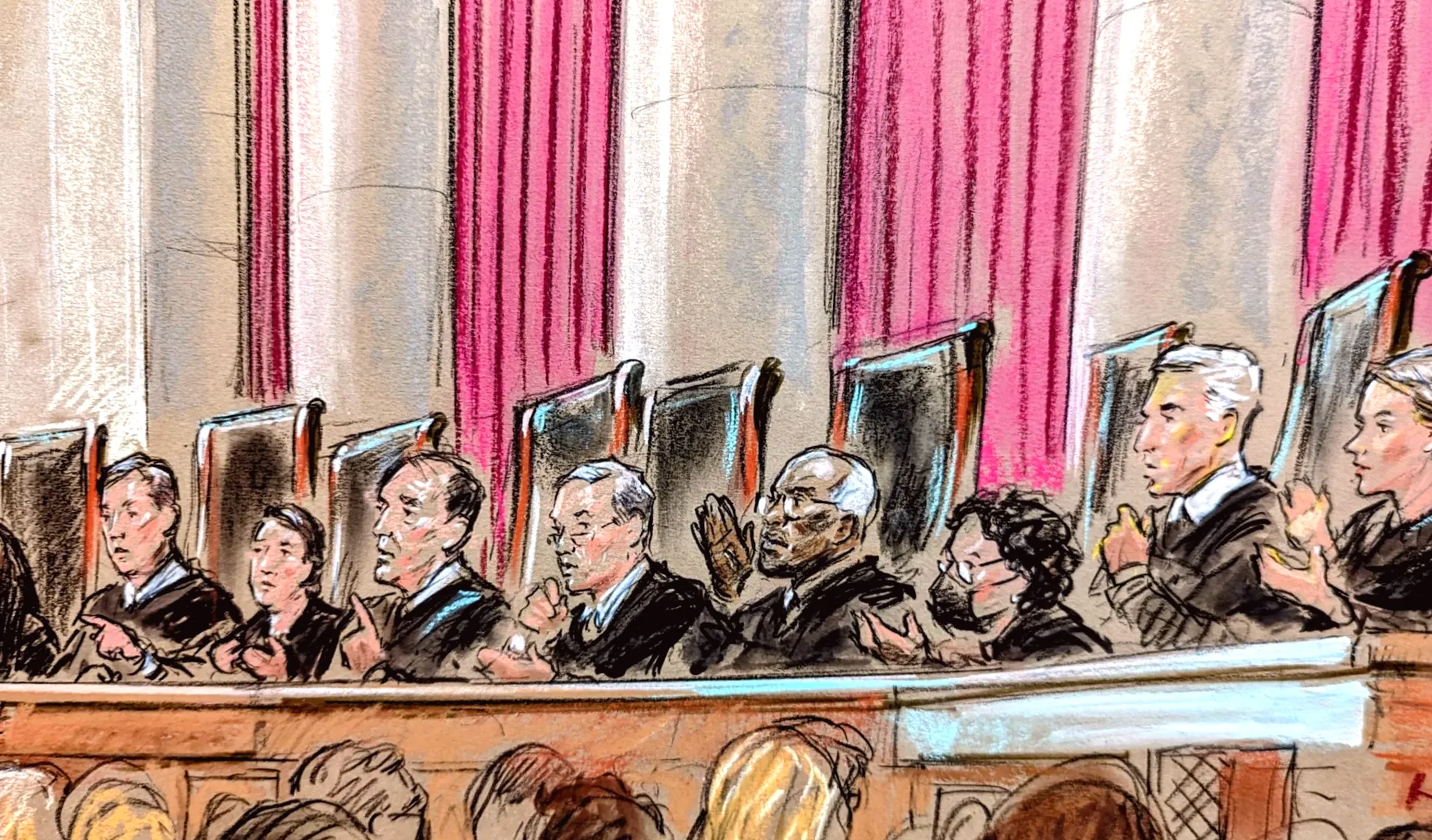
The Supreme Court rarely sees a single dissent eventually shape the future of constitutional interpretation, but Justice Antonin Scalias lone opposition in Morrison v. Olson may soon gain prominence. A majority of the current justices appear inclined to endorse the unitary executive theory, which asserts that the president holds complete control over the executive branch, including authority to dismiss agency heads and other federal officials.
In 1988, Morrison v. Olson directly addressed this theory. The Ethics in Government Act of 1978 allowed for the appointment of an independent counsel to investigate alleged misconduct by high-level officials. This counsel could only be removed for cause by the Attorney General. Morrison, appointed to investigate executive officials for refusing to provide documents to Congress under the Superfund law, challenged the laws constitutionality, arguing it restricted presidential power.
The Supreme Court, in a 7-1 decision, rejected these challenges. Chief Justice William Rehnquist explained that Congress could lawfully vest the appointment of inferior officers in entities other than the president. The independent counsel qualified as an inferior officer due to her limited powers and removable status. Rehnquist emphasized that restricting removal did not violate the separation of powers and explicitly rejected the unitary executive theory, noting the Constitution does not require total independence among branches.
Justice Scalia dissented, endorsing the unitary executive theory. He argued that Article II vests all executive power in the president and that the principle of separation of powers exists to ensure effective government and protect individual freedom from prosecutorial overreach.
Scalias view has gained renewed traction among conservatives. Judges such as Brett Kavanaugh and Chief Justice John Roberts have cited his reasoning favorably in recent decisions, including cases granting the president broad immunity from criminal liability for official acts. President Trump has strongly embraced the unitary executive concept, issuing an executive order declaring all federal agencies under his direct control, with authority to remove officials without statutory limitations.
This shift has been reflected in emergency rulings allowing the removal of federal officials despite legal protections. In Trump v. Wilcox and Trump v. Boyle, the Court permitted the president to dismiss officials whose removal was otherwise restricted by law, signaling a departure from precedents like Humphreys Executor v. United States that upheld independence for certain administrative positions.
Upcoming cases, including Trump v. Slaughter and Trump v. Cook, will determine whether the unitary executive theory will formally reshape presidential authority. These cases challenge statutory protections on removal for officials in agencies such as the Federal Trade Commission and the Federal Reserve Board. The Courts current majority appears poised to adopt Scalias expansive view, potentially redefining the balance of power between Congress and the presidency.
Author: Grace Ellison
Share

Scott Jennings Criticizes Critics Worried About Trump's Health: 'Democrats Are Overly Sensitive'
2 minutes ago 2 min read POLITICS
Morrison v. Olson and the victory of the unitary executive theory
21 minutes ago 3 min read POLITICS
'Republicans concerned they're not doing enough on affordability: 'People are not unintelligent''
21 minutes ago 3 min read POLITICS
Trump could potentially withdraw support from both Russia and Ukraine
23 minutes ago 3 min read POLITICS
Republican win in Tennessee special election does not alleviate worries about 2026 midterms
28 minutes ago 3 min read POLITICS

Wealthy individual returns to Senate to apply for NASA's top position
32 minutes ago 2 min read POLITICS
Florida could be Trump's final opportunity to win GOP seats in redistricting
32 minutes ago 4 min read POLITICS
Virginia's New Democratic Control Puts Right-To-Work in Jeopardy
35 minutes ago 3 min read POLITICS
Senator Mark Kelly anticipates that Hegseth will be dismissed from the court martial.
37 minutes ago 3 min read POLITICS
Trump's tentative peace agreement for Democratic Republic of Congo and Rwanda
40 minutes ago 2 min read POLITICS