

Kyrgyzstan set to grant president more power in upcoming elections
- Last update: 5 days ago
- 3 min read
- 13 Views
- POLITICS
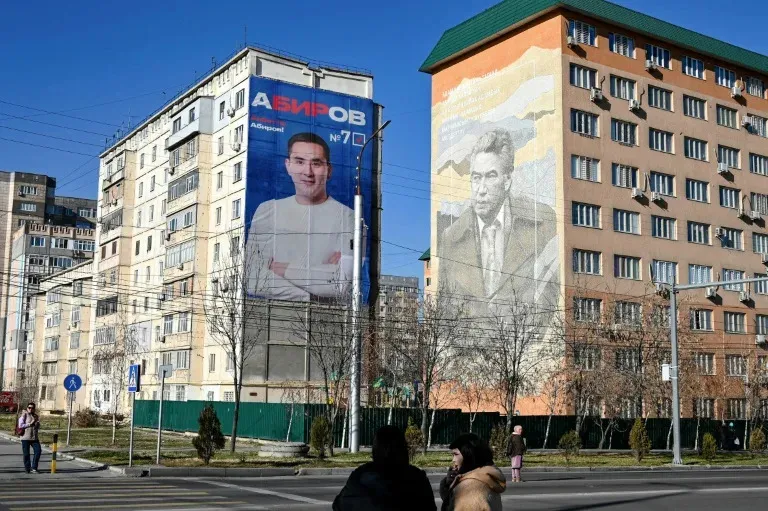
Kyrgyzstan started voting on Sunday in an unexpected parliamentary election that lacked formal opposition parties, a move critics argue will solidify President Sadyr Japarovs authority. Once regarded as the regions most democratic nation, the Central Asian country has faced criticism for declining freedoms since Japarov rose to power following the 2020 revolution.
Polling stations opened at 8 a.m. local time (02:00 GMT), as reported by AFP. Situated among tightly controlled regimes, Kyrgyzstan has experienced three revolutions since the Soviet Union's collapse in 2005, 2010, and 2020. Japarov has expressed his goal of preventing future upheavals by consolidating political and societal control. In November, he stated, From now on, you will only see coups in your dreams, and expressed confidence in securing 90% of the vote in the 2027 presidential elections.
As voting commenced, Japarov praised electronic ballots, claiming they would prevent election fraud and further coups. Human rights organizations have warned of deteriorating media freedom and restrictions on free expression under his administration. In the days leading up to the vote, authorities detained ten of Japarovs rivals, adding to a growing list of politicians and journalists accused of coup plotting.
Officially, 329 political parties exist in Kyrgyzstan. However, changes to the electoral system have reduced party influence, leaving only one party able to participate, down from 16 in 2020. This has made the election results difficult to interpret. Around 4.3 million eligible voters will select 90 members of parliament from 467 candidates, with at least 30 seats reserved for women.
Where there are no strong parties, voters tend to choose based on individual candidate personalities rather than political platforms, explained Emil Dzhuraev, professor at the OSCE Academy in Bishkek. This naturally limits political development. Without robust parties, both MPs and citizens struggle to organize or pursue long-term visions for the country, further reinforcing executive power.
About two-thirds of Kyrgyzstans population of seven million is under 35 and has no living memory of Soviet rule. Despite this, close ties with Russia persist. Russian remains an official language, and Bishkek maintains a strong alliance with Moscow. Remittances from Kyrgyz labor migrants in Russia contribute roughly a quarter of the national GDP, while dozens of Kyrgyz nationals have reportedly died after being recruited to fight in Ukraine.
Daniel Medetbek Uulu, a 20-year-old student, highlighted the economic challenges prompting migration: Authorities should increase wages and create factory jobs, so young people can work here in Kyrgyzstan.
Kyrgyzstan, one of the worlds most mountainous countries, sits at an average altitude of 2,630 meters (8,628 feet) and holds crucial glacier-fed water reserves, rare in Central Asia. Yet climate change is creating water shortages, affecting the Toktogul hydroelectric plant and causing electricity disruptions. The energy crisis has become a key topic in the election, with the president accusing rivals of exaggerating the problem.
Global powers, including the EU, United States, Russia, and China, compete for influence in this strategic Central Asian nation. Chinas investments under the New Silk Road initiative aim to strengthen transport and infrastructure links between Asia and Europe. Although China has become Kyrgyzstans largest trading partner and is boosting the economy, the rising presence of Chinese businesses and tourists has caused some local unease.
Author: Sophia Brooks
Share

Democrats disclose their stance on prioritizing US citizens over drug boat traffickers
6 seconds ago 2 min read POLITICS

Hey, Would Anyone Like to Discuss Donald Trump's Health Issues?
2 minutes ago 3 min read POLITICS

Controversy erupts in Minnesota Somali community
3 minutes ago 5 min read POLITICS

Donald Trump Grants Pardon to Democratic Congressman Henry Cuellar
12 minutes ago 2 min read POLITICS

Trump administration halts immigration applications from 19 non-European countries
26 minutes ago 2 min read POLITICS

What will happen next after Supreme Court approves pro-Trump Texas map for 2026?
27 minutes ago 3 min read POLITICS

US deploys one-way attack drones to the Middle East
39 minutes ago 3 min read POLITICS
Facts about the controversial boat strike in Venezuela
39 minutes ago 3 min read POLITICS

Biden declares 'we are the United States of America' in latest slip-up at DC conference
47 minutes ago 2 min read POLITICS

The 'war on drugs' seemed to be over, but Donald Trump reignited it.
1 hours ago 6 min read POLITICS