

DOJ refuses to disclose guidance to Noem on El Salvador deportations, citing privilege
- Last update: 55 minutes ago
- 3 min read
- 917 Views
- POLITICS
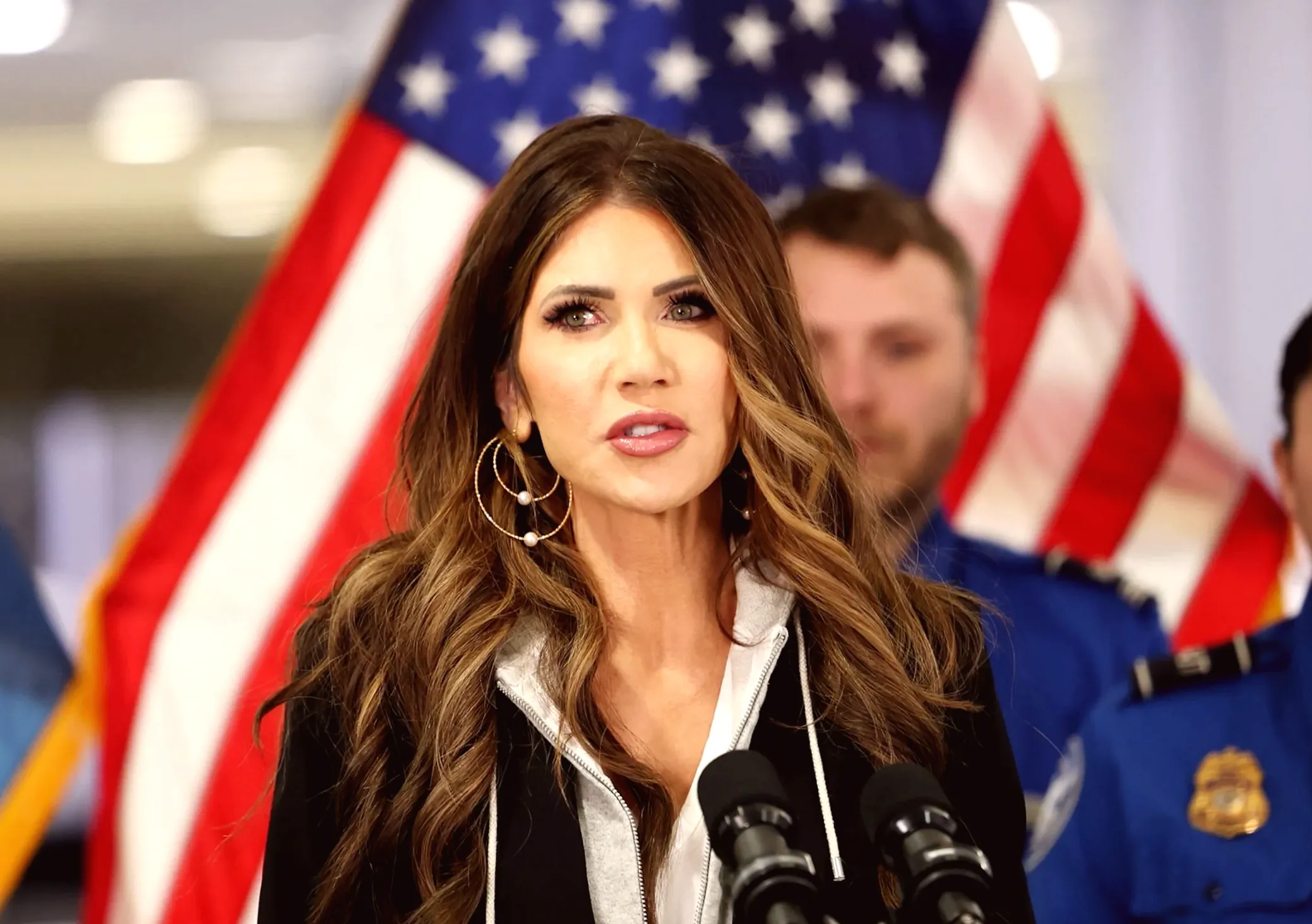
The Department of Justice (DOJ) has declined to reveal the specifics of the legal counsel provided to Department of Homeland Security Secretary Kristi Noem regarding the continuation of deportations of over 100 Venezuelans to El Salvador in March, citing legal privilege.
The court submissions filed Friday respond to a contempt investigation initiated by U.S. District Court Judge James Boasberg, who is considering whether Noem or others should face potential contempt charges. DOJ attorneys noted that Noem ordered the deportation flights to proceed even after Boasberg had instructed that the planes return to the United States during the legal challenge over the use of the Alien Enemies Act (AEA) to deport the Venezuelans, whom the Trump administration alleged were gang members.
In her declaration, Noem stated that her decision to continue the transfers followed legal advice from DOJ leadership and Joseph Mazarra, the acting DHS general counsel at the time. Deputy Attorney General Todd Blanche and Emil Bove, a former DOJ official now serving as a U.S. circuit judge, refused to disclose details of the privileged advice provided to Noem. Bove commented, "DOJ has not authorized me to disclose privileged information in this declaration."
Mazarra confirmed that he reviewed Judge Boasberg's order blocking the deportations and subsequently advised Noem. He noted, "DHS had removed these terrorists from the U.S. before this Court issued any order (or oral statement regarding their removal)."
DOJ attorneys separately argued that forcing testimony from the officials who submitted declarations would be "prejudicial and constitutionally improper" prior to any referral for prosecution. They added, "[The] Court has all the information it needs to make a referral if it believes one to be justified, and further factual inquiry by the Court would raise constitutional and privilege concerns."
Lee Gelernt, lead attorney for the American Civil Liberties Union challenging the AEA deportations, criticized the administration's actions, stating that it was "again refusing to cooperate with a federal court."
Earlier in March, the Trump administration invoked the AEAan 18th-century wartime statuteto deport two flights of alleged gang-affiliated Venezuelan migrants to El Salvadors CECOT mega-prison. The administration described the gang Tren de Aragua as a "hybrid criminal state" threatening the United States. During a March 15 hearing, Judge Boasberg issued a temporary restraining order directing the planes to return, but DOJ lawyers argued that his oral instructions were legally insufficient, allowing the deportations to continue. Boasbergs initial finding of likely contempt was paused due to an emergency stay from an appeals court, which last month allowed him to resume the fact-finding investigation.
Author: Ava Mitchell
Share

DOJ refuses to disclose guidance to Noem on El Salvador deportations, citing privilege
55 minutes ago 3 min read POLITICS

ICE arrests seven 'worst of the worst' criminal illegal aliens in Minneapolis operation
1 hours ago 2 min read POLITICS

'Judge condemns yet another illegal deportation as blatant lawlessness'
1 hours ago 2 min read WORLD

Federal Judge Confirms DHS Violating Its Own Rules in D.C. Immigration Arrests
8 hours ago 3 min read US

US says college student deported during Thanksgiving trip could have challenged removal as a child
13 hours ago 3 min read US

DOJ expected to request new indictment for Letitia James: Report
1 days ago 2 min read POLITICS
Trump calls for 'deportation judges' to oversee chaotic courts
2 days ago 3 min read POLITICS
DHS calls for Letitia James to address New York's refusal to comply with ICE detainers
3 days ago 3 min read US

Trump Fires Immigration Judges in Mass Purge
3 days ago 2 min read POLITICS

Trump administration fires eight immigration judges in New York
3 days ago 2 min read POLITICS