

6 major questions regarding the controversy over boat strikes in the Trump administration
- Last update: 4 days ago
- 3 min read
- 17 Views
- POLITICS
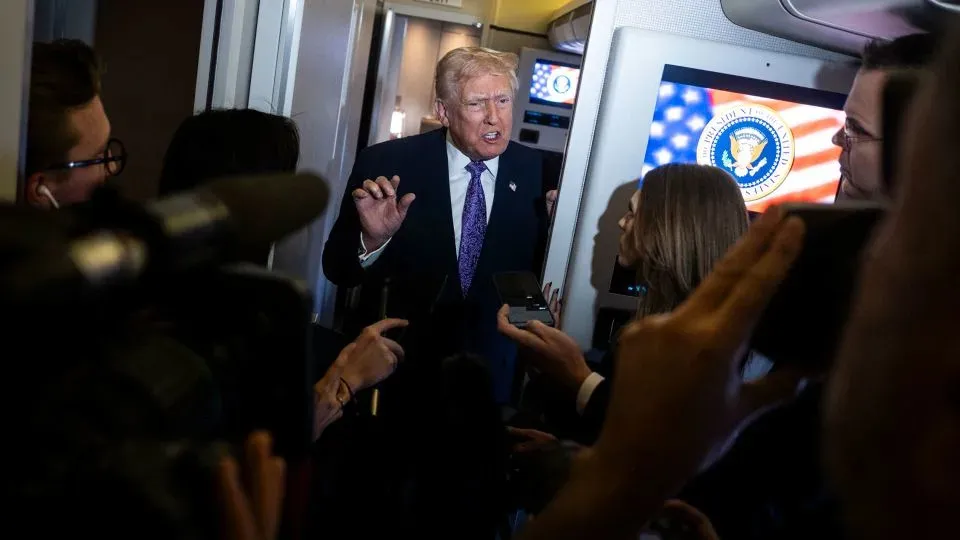
Recently, President Donald Trump and his supporters criticized several Democrats over a video urging troops to refuse potentially illegal orders. A recent US military operation appears to illustrate the type of scenario those Democrats warned about.
In early September, the US military carried out a second attack, known as a "double-tap" strike, on an alleged drug trafficking vessel in the Caribbean after the initial strike left survivors. CNN sources indicate the military knew some individuals had survived the first attack. This report, first covered by The Washington Post and The Intercept, has drawn attention from lawmakers across party lines.
The legal status of strikes on suspected drug vessels has been questioned, as there is no declared war in the Caribbean. Targeting survivors escalates the legal concerns, since international armed conflict law forbids executing those no longer able to fight due to injury.
Sarah Harrison, former associate general counsel at the Pentagon, explained to CNN, "Killing civilians is already unlawful, and even if they are combatants, international law requires humane treatment for anyone 'hors de combat'."
Initially, the administration dismissed the reporting, but by Monday, White House Press Secretary Karoline Leavitt confirmed the second strike, claiming it was legal. The situation has prompted both Republican and Democratic committee leaders to promise investigations.
Questions Surrounding Orders and Responsibility
The military reportedly knew of survivors after the first strike, yet details about the second strike remain unclear. Some reports suggest Defense Secretary Pete Hegseth ordered the operation to ensure all on board were killed, though its uncertain if he knew survivors existed at the time. Trump stated that Hegseth "did not order the death of those two men."
Leavitt said the second strike was authorized by Admiral Frank M. Mitch Bradley, head of US Special Operations Command, who acted within his authority. Responsibility questions remain since the initial order may have originated with Hegseth.
Confusing Messages from the Administration
The administrations response has been inconsistent. Hegseth condemned media coverage as "false and inflammatory," while the White House initially denied the strike occurred. Meanwhile, Hegseth posted on social media justifying aggressive action against alleged drug traffickers.
By Monday, Leavitt confirmed the second strike but did not clarify how it complied with legal standards or whether Bradley knew survivors were alive. Trump maintained a detached stance, indicating he relied on Hegseths account.
Military Policy Shift and Resignations
A similar operation on October 6, which also left survivors, saw a different approach: the men were rescued and returned home, avoiding legal complications. Leavitt claimed no policy change occurred between the two strikes.
The October 6 operation coincided with tensions between Admiral Alvin Holsey, commander of US Southern Command, Hegseth, and the Joint Chiefs Chairman regarding the strikes. Holsey announced early retirement shortly after, raising questions about potential conflicts over treatment of survivors.
Congressional Concerns and Legal Implications
Some Republican lawmakers, including Rep. Mike Turner, have expressed concern that Congress may have been misled about the strikes. Turner noted the double-tap strike appeared illegal and inconsistent with prior briefings to Congress. More than 80 people have reportedly been killed in these operations.
Broader Implications for Military Orders
The episode underscores risks highlighted by Democrats regarding illegal military orders. Critics point to past incidents during Trumps presidency when questionable orders were suggested. The recent strikes raise questions about executive control, legal oversight, and the potential consequences of ambiguous military directives.
The controversy illustrates that legal and ethical issues surrounding these operations remain unresolved, highlighting the ongoing tension between military actions, presidential authority, and congressional oversight.
Author: Sophia Brooks
Share

Investigation reveals Afghanistan mission as "a twenty-year endeavor filled with inefficiency"
35 seconds ago 2 min read POLITICS

Trapped in a van as the president focuses on Kennedy Center drapes: A look inside Trump's day of boosting his ego amid looming crises
1 minutes ago 3 min read POLITICS
USTR Greer tells Politico that Trump may withdraw from USMCA trade deal next year
8 minutes ago 1 min read POLITICS
Joe Biden accuses MAGA Republicans of demonizing LGBTQ+ individuals
16 minutes ago 4 min read POLITICS
Trump signs memo to harmonize US child vaccines with selected foreign nations
20 minutes ago 1 min read POLITICS

Attorney linked to Kennedy causes controversy with spreading vaccine misinformation at CDC advisory meeting
36 minutes ago 4 min read POLITICS

FBI Director Kash Patel Reportedly Ordered Agents to Drive His Girlfriend's Allegedly Intoxicated Friend Home
46 minutes ago 3 min read POLITICS
Trump Administration Raises Concerns About Decreasing White Population in Europe
51 minutes ago 2 min read POLITICS

CNN's Kaitlan Collins disputes Trump Pentagon Chief Hegseth's claim of 'Total Exoneration'
54 minutes ago 3 min read POLITICS
What swing voters expect from their candidates: Insights from the Politics Desk
1 hours ago 4 min read POLITICS