

Investigation reveals Afghanistan mission as "a twenty-year endeavor filled with inefficiency"
- Last update: 8 minutes ago
- 2 min read
- 842 Views
- POLITICS
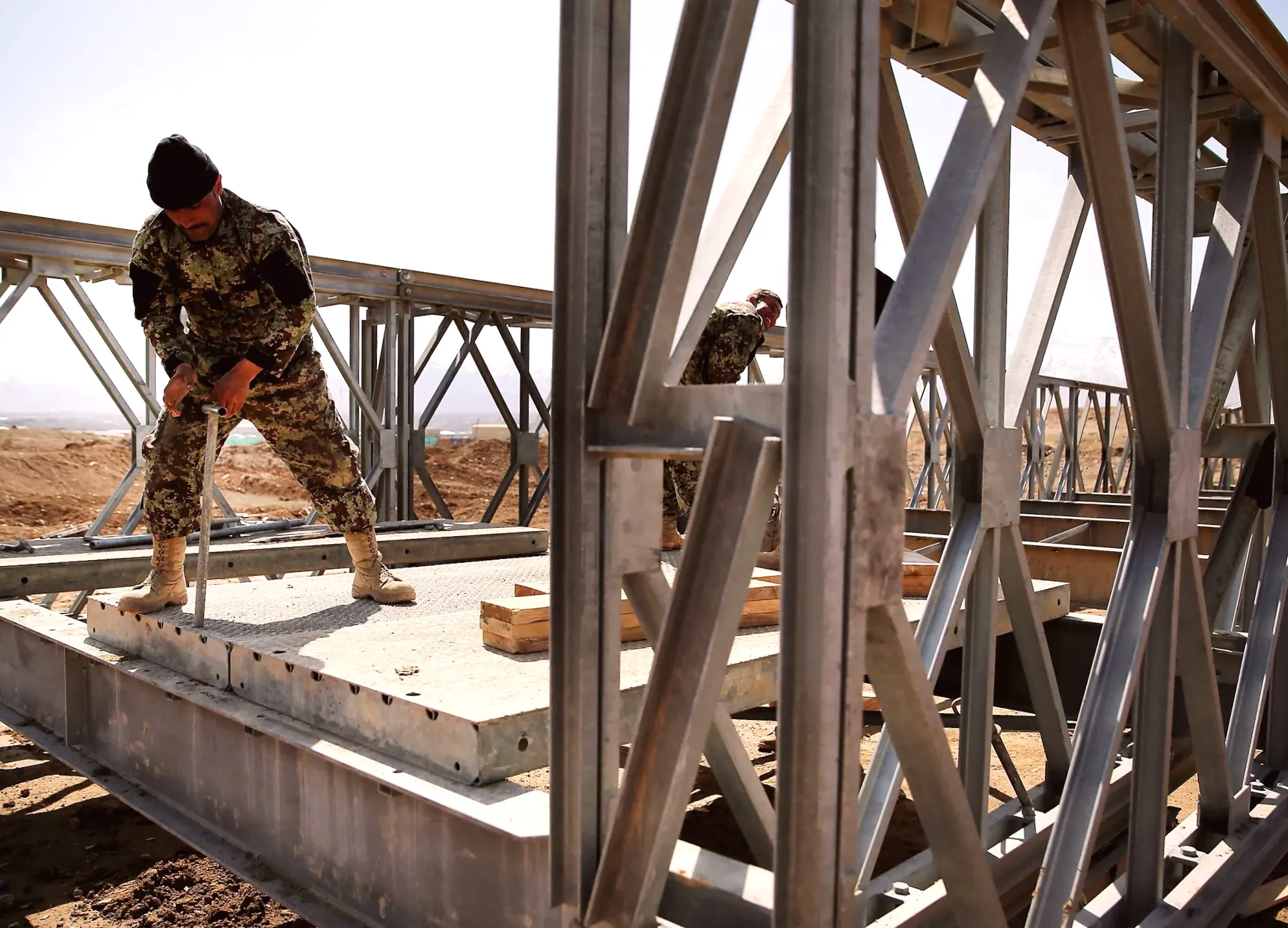
The U.S. Congress allocated approximately $144.7 billion for Afghanistan's reconstruction from 2002 to 2021. Despite this, the mission failed to transform the country into a stable democracy. A key factor in this failure was the corruption among local allies and the absence of a coherent strategy, according to the final report from the Special Inspector General for Afghanistan Reconstruction (SIGAR).
The report, published earlier this week, compiles the findings from SIGARs previous investigations, revealing deep systemic issues and a long-term pattern of waste throughout the reconstruction process. Acting Inspector General Gene Aloise emphasized that the situation remained dire over the course of two decades, noting that the reconstruction effort was fraught with waste. He stated, "This was not what winning looked like," adding that the governments corruption played a significant role in hindering progress.
"The biggest issue throughout the entire 20 years was the pervasive corruption," Aloise explained, describing the Afghan government as a "white-collar criminal enterprise." Since 2012, SIGARs quarterly reports had highlighted major weaknesses, particularly with the Afghan National Security and Defense Forces. However, as these issues became more evident, U.S. government efforts to classify certain sections of the reports intensified.
"There were many on Capitol Hill who expressed concerns, but each time we released important data, it was classified," Aloise said. The report does not specifically address the 2021 military withdrawal but does estimate the U.S. left behind roughly $38.6 billion worth of military equipment and infrastructure.
SIGAR was not consulted during the Pentagon's review of the withdrawal, which was ordered in May by Defense Secretary Pete Hegseth. Aloise revealed that after the troop pullout, the Biden administration delayed cooperation with SIGAR for nearly a year, arguing that the office's jurisdiction had ended with the departure of U.S. forces, even though financial assistance to Afghanistan continued. It was only after pressure from Congress that cooperation resumed, primarily from the State Department and USAID.
Established in 2008 by Congress, SIGAR is set to close its doors on January 31. Throughout its operations, the office saved taxpayers more than $4.6 billion and uncovered over $26 billion in waste, fraud, and abuse. Aloise noted that these losses could have been significantly higher without SIGARs oversight.
"The impact of SIGAR was enormous," Aloise remarked. "If the U.S. goes into situations like Gaza or Ukraine without something like SIGAR, its unlikely to go well for the American taxpayer."
Author: Connor Blake
Share

Why Pete Hegseth should be worried about the damning new 'Signalgate' IG report
15 hours ago 3 min read POLITICS

"What's happening?" Vance rejoined Hegseth's Signal group chat to make light of scandal
15 hours ago 1 min read POLITICS

Report: US Spends $145 Billion on Afghanistan Reconstruction, with Nearly $30 Billion Squandered
1 days ago 4 min read BUSINESS

DoD watchdog confirms Hegseth's Signal chat broke regulations, sources report
1 days ago 2 min read POLITICS
Report highlights corruption and wasted billions in Afghanistan occupation
1 days ago 3 min read BUSINESS

Pentagon inspector: Hegseth leaked sensitive information that could have been intercepted by enemies
1 days ago 2 min read POLITICS

Hegseth put troops at risk with Signal messages: Pentagon watchdog report
1 days ago 3 min read POLITICS

Was the Signalgate Report Even Read by Pete Hegseth?
1 days ago 2 min read POLITICS

Trump news update: Hegseth still under fire for Signal chat leak, boat collision
1 days ago 3 min read POLITICS

Confidential report from Pentagon watchdog regarding Hegseth's use of Signal forwarded to lawmakers
3 days ago 2 min read POLITICS