

Report highlights corruption and wasted billions in Afghanistan occupation
- Last update: 1 days ago
- 3 min read
- 730 Views
- BUSINESS
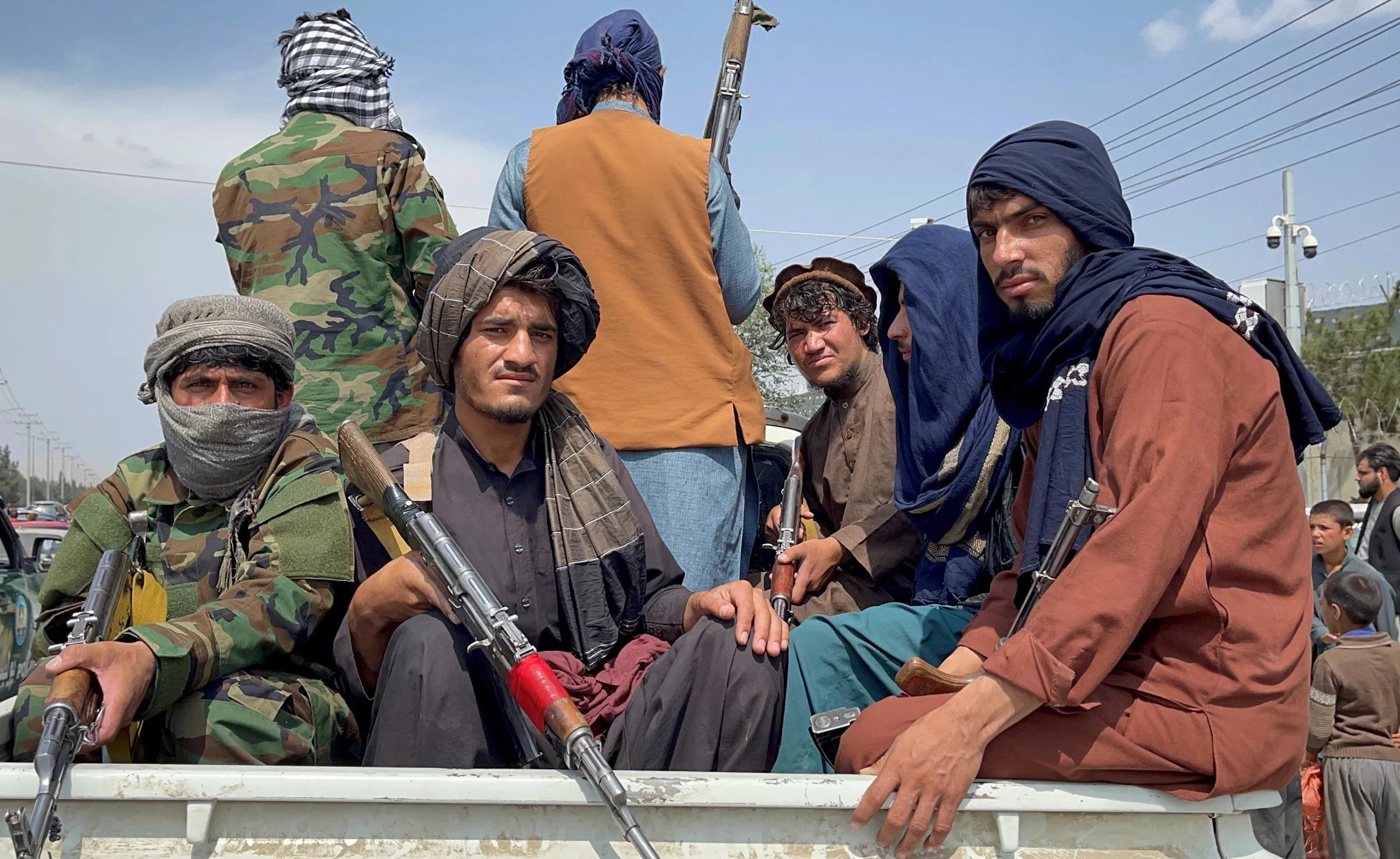
A recent government watchdog report reveals that the United States' 20-year presence in Afghanistan, aimed at establishing democracy, became riddled with corruption and mismanagement, with up to $29.2 billion lost to fraud, waste, and abuse. The findings come from a comprehensive 17-year investigation conducted by the Special Inspector General for Afghanistan Reconstruction (SIGAR), created by Congress in 2008 to oversee U.S. operations in the country.
The report concludes that the U.S. mission in Afghanistan was doomed from the outset due to unrealistic objectives and a lack of informed planning. Corruption and misuse of taxpayer funds were pervasive throughout the occupation.
The withdrawal of British forces and the handover of bases to Afghan security forces marked the final stages of international troop presence. Many facilities, once bustling with thousands of military personnel and contractors, were either closed or turned over to local authorities.
Throughout the occupation, U.S. forces faced ongoing challenges, including the rise of Taliban forces, which overtook Kabul just days before the final American troops left in 2021. The Afghan government quickly collapsed, highlighting the fragility of the institutions built with billions in U.S. aid.
The report describes the Afghan government and military as plagued by inefficiency and corruption. SIGAR's acting inspector general, Gene Aloise, referred to it as a "white collar criminal enterprise," noting that early in the occupation, corruption was largely ignored. Investigations led to four reports with only superficial reforms and no major changes.
SIGAR identified 1,327 cases of waste, fraud, and abuse, amounting to $29.2 billion. Billions were misappropriated through kickbacks, embezzlement, and poorly executed contracts. Examples include bribes paid by Afghan businessmen to U.S. personnel and tax evasion by American contractors. While SIGAR achieved 171 criminal convictions and recovered $167 million, some individuals involved in corruption were untouchable due to ties with intelligence agencies.
The United States invested heavily in Afghan military and civilian infrastructure, spending $38.6 billion on weapons, vehicles, aircraft, and equipment. When U.S. forces withdrew, approximately $7.1 billion in weapons were left behind, likely now under Taliban control. The report also highlights U.S. cooperation with Afghan warlords accused of human rights violations and the tacit acceptance of sexual abuse by some Afghan allies.
Investigators faced significant obstacles, particularly during the Biden administration, which limited SIGARs access and cooperation. Interviews with former U.S. officials indicated that doubts about the missions viability existed years before Afghanistans 2021 collapse.
In total, the 20-year conflict resulted in over 2,320 U.S. military deaths, 69,000 Afghan military and police deaths, and 46,000 civilian fatalities, underscoring the heavy human and financial cost of the intervention.
Author: Chloe Ramirez
Share

Article: Will Smith & Jada Pinkett Smith Upset About $3M Lawsuit
6 minutes ago 2 min read BUSINESS

Formosa and Rxilient ink deal for licensing APP13007
7 minutes ago 2 min read BUSINESS

Truth commission calls on Finland to address Sami injustices
11 minutes ago 2 min read BUSINESS

Alyssa Farah Griffin's Health Issues Cause Absence from 'The View'
13 minutes ago 2 min read BUSINESS
Plans underway to create new 20mph zones for safer streets
20 minutes ago 2 min read BUSINESS
Shakespeare trust introduces 'adopt a beam' program
23 minutes ago 2 min read BUSINESS
Greek Parliament approves purchase of 36 PULS launchers from Elbit Systems for $758 million
24 minutes ago 2 min read BUSINESS

Gutfeld angrily confronts Fox News colleague for highlighting FIFA's creation of an award specifically for Trump
29 minutes ago 3 min read BUSINESS

EU antitrust chief suggests potential temporary actions against Meta
35 minutes ago 1 min read BUSINESS
Accelerated Regeneration Plan for Liverpool Docklands
35 minutes ago 2 min read BUSINESS