

Nanotechnology Discovery Reverses Alzheimer's In Mice
- Last update: 5 days ago
- 2 min read
- 15 Views
- HEALTH
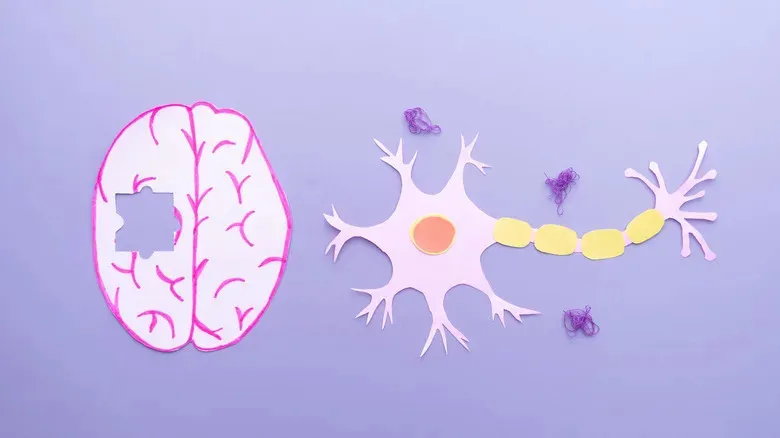
Researchers may have made a significant stride toward reversing Alzheimer's disease, at least in experimental mice. A study conducted by scientists at the Institute for Bioengineering of Catalonia (IBEC) and West China Hospital Sichuan University introduces an innovative nanotechnology that seems to restore brain function by repairing the blood-brain barrier and removing harmful proteins associated with Alzheimer's.
Unlike conventional treatments that carry drugs to the brain, these newly developed supramolecular nanoparticles act as the therapy themselves. They are engineered to mimic natural molecules that help the brain eliminate amyloid-beta, the sticky protein responsible for cognitive decline in Alzheimer's disease.
In mice genetically modified to overproduce amyloid-beta, just three injections of these nanoparticles reduced toxic protein levels by more than 50% within an hour. Remarkably, cognitive abilities in these mice returned to nearly normal levels over the following months. Published in Signal Transduction and Targeted Therapy, these results suggest a new approach to treating neurodegenerative disorders: enhancing the brain's natural cleaning system rather than directly targeting neurons.
The therapy works by rejuvenating the brain's vascular system, which deteriorates with age, compromising the blood-brain barrier and allowing toxic proteins to accumulate. By restoring this barrier, the nanoparticles help the brain clear waste efficiently.
These supramolecular nanoparticles imitate molecules that interact with the LRP1 receptor, a critical component in regulating the blood-brain barrier and promoting the removal of amyloid-beta. After administration, the particles bind to amyloid-beta, cross the blood-brain barrier, and stimulate the brains vascular system to flush the protein into the bloodstream for disposal.
Experimental results in mice showed rapid effects, with amyloid-beta levels dropping by 5060% within an hour and cognitive functions improving over several months. Unlike antibody-based therapies, which directly attack amyloid plaques, this method strengthens the brains natural clearance mechanisms, offering a potentially safer and more sustainable treatment strategy.
Researchers are now focused on translating this vascular-repair technique to humans. If similar results occur in human trials, this could signal a paradigm shift in Alzheimer's treatment, emphasizing the blood-brain barrier as the critical factor in halting or reversing the disease.
Author: Sophia Brooks
Share

Researchers Discover That This Basic Diet Improves Digestion and Enhances Gut Health
49 minutes ago 3 min read HEALTH

Concerns arise over US childhood vaccine schedule following hepatitis B guideline revision
1 hours ago 3 min read HEALTH

The benefits of smelling your own farts according to science
1 hours ago 2 min read HEALTH

FDA approves Francis Medical's water vapor ablation treatment for prostate cancer
2 hours ago 2 min read HEALTH
Study finds bird flu gene enhances its ability to survive human fever defences
3 hours ago 4 min read HEALTH

Many lifters are making painful mistakes with the seemingly simple front rack position
4 hours ago 2 min read HEALTH

Singing along improves lung health and supports a charitable cause
6 hours ago 2 min read HEALTH
CDC Changes Hepatitis B Vaccine Recommendation for Children Despite Opposition from Academy of Pediatrics
7 hours ago 2 min read HEALTH
CDC Panel Votes Against Recommending Hepatitis B Vaccine for Newborns, Experts Warn of Impact on Children’s Health
11 hours ago 4 min read HEALTH

Experiencing stress in life is not a disease - GPs discuss mental health over-diagnosis
13 hours ago 4 min read HEALTH