

Concerns arise over US childhood vaccine schedule following hepatitis B guideline revision
- Last update: 1 hours ago
- 3 min read
- 491 Views
- HEALTH
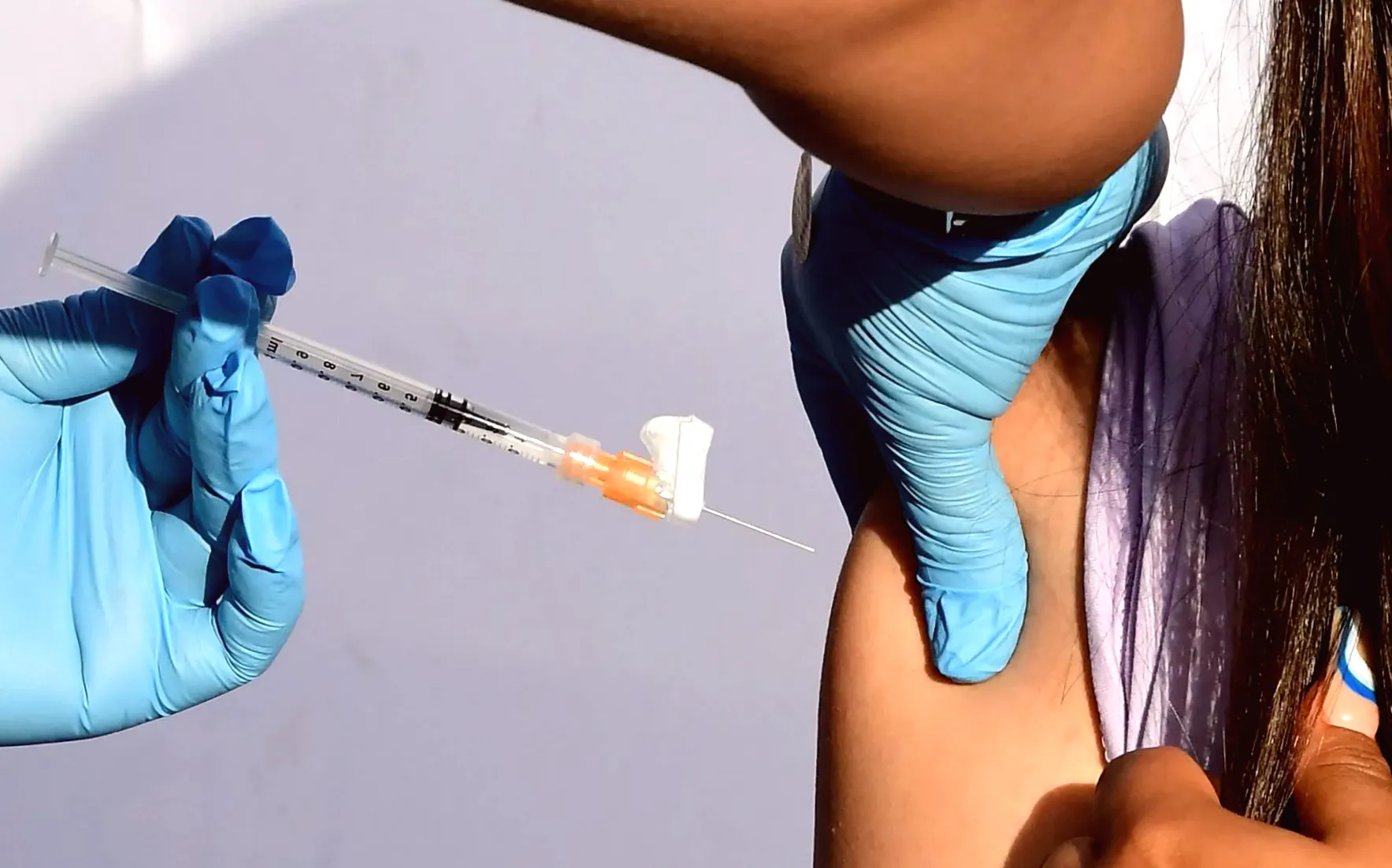
Health specialists are raising alarms about the stability of the US childhood immunization schedule after federal vaccine advisors reviewed vaccine safety and efficacy, leading to a major change in hepatitis B recommendations. The advisory panel now faces scrutiny, with several members known for their anti-vaccine stance. These advisors were appointed by Robert F. Kennedy Jr., following the dismissal of the previous committee, marking an unusual shake-up in US vaccine policy. Kennedy has previously voiced strong criticism of vaccines.
The Advisory Committee on Immunization Practices (ACIP) advises the director of the Centers for Disease Control and Prevention (CDC), who decides on official policy changes. ACIP recommendations also influence state laws and insurance coverage. Experts warn that the recent vote to alter hepatitis B guidance could create confusion for families and signal a troubling trend for other routine vaccinations.
This decision could have serious implications for the entire childhood vaccine schedule, said Susan Wang, a pediatrician and former CDC lead for perinatal hepatitis B prevention. ACIP vice-chair Robert Malone, a vocal vaccine critic, questioned the safety of the overall childhood immunization program, citing insufficient data on cumulative risks.
Despite decades of safe use, Malone and other panel members criticized aluminum adjuvants in vaccines, claiming potential long-term risks without scientific evidence. Lawyer Aaron Siri also presented a selective review of vaccine trials, suggesting some vaccine effects might emerge years later. These claims were strongly challenged by Cody Meissner, pediatric professor at Dartmouth College, who called them a distortion of facts. Siri additionally claimed well-known vaccine experts were invited but did not attend; Paul Offit confirmed he was never contacted and would have declined.
Offit condemned the panels approach, stating that limiting established vaccines without evidence threatens public health. Hepatitis B remains a serious risk, particularly to young children, as the virus can survive on surfaces for a week. This undermines childrens safety and public health standards, Offit said.
Pediatrician Raksha Raheja highlighted the personal stakes, noting that decreasing vaccine confidence endangers immunocompromised children, including her own son with cancer. Reduced vaccination rates can lead to outbreaks of preventable diseases, she explained, citing the current measles surge in the USthe worst in 30 years. Two unvaccinated children and one adult have already died, and continued spread could jeopardize the country's measles-elimination status.
During the ACIP meeting, some participants repeated debunked vaccine myths, including unproven links to allergies and autism. Experts warn that questioning long-established, safe vaccines erodes public trust. Kevin Ault, a former ACIP member, emphasized that the hepatitis B vaccines success has already reduced infection rates, and halting vaccination would increase disease prevalence. Currently, federal programs like Vaccines for Children cover over half of US children and follow ACIP guidance, meaning changes in recommendations will affect millions.
Wang reported seeing children recently who were completely unvaccinated, with parents unsure which vaccines to choose. Parents need clarity, not confusion, especially when childrens health is at risk, she said. Experts stress that declining vaccination rates threaten not only individual children but the broader community, increasing the risk of preventable illnesses.
Author: Ethan Caldwell
Share

CDC Changes Hepatitis B Vaccine Recommendation for Children Despite Opposition from Academy of Pediatrics
7 hours ago 2 min read HEALTH

Trump praises hepatitis B vaccine panel's decision as 'very good'
7 hours ago 2 min read POLITICS
Former CDC Director Criticizes Panel Created by RFK Jr. Over Major Error
7 hours ago 2 min read ENTERTAINMENT

Trump requests RFK Jr. to expedite vaccine schedule review
8 hours ago 2 min read POLITICS

Trump signs memo to harmonize US child vaccines with selected foreign nations
12 hours ago 1 min read POLITICS

CDC Advisory Committee Votes to Reverse Decades-Old Hepatitis B Vaccine Recommendations
14 hours ago 3 min read BUSINESS

RFK Jr.'s selected vaccine panel votes against recommending hepatitis B shots for newborns. Expert opinions differ.
18 hours ago 3 min read POLITICS

US expert panel decides to stop recommending hepatitis B vaccination for newborns
20 hours ago 2 min read POLITICS

CDC advisory panel restricts hepatitis B vaccination for newborns
21 hours ago 2 min read POLITICS

CDC panel postpones decision on restricting infant hepatitis B vaccinations
23 hours ago 2 min read WORLD