

The Dark Side of Wind Energy: An Approaching Wave of Hazardous, Non-Reusable Waste
- Last update: 1 hours ago
- 2 min read
- 862 Views
- WORLD
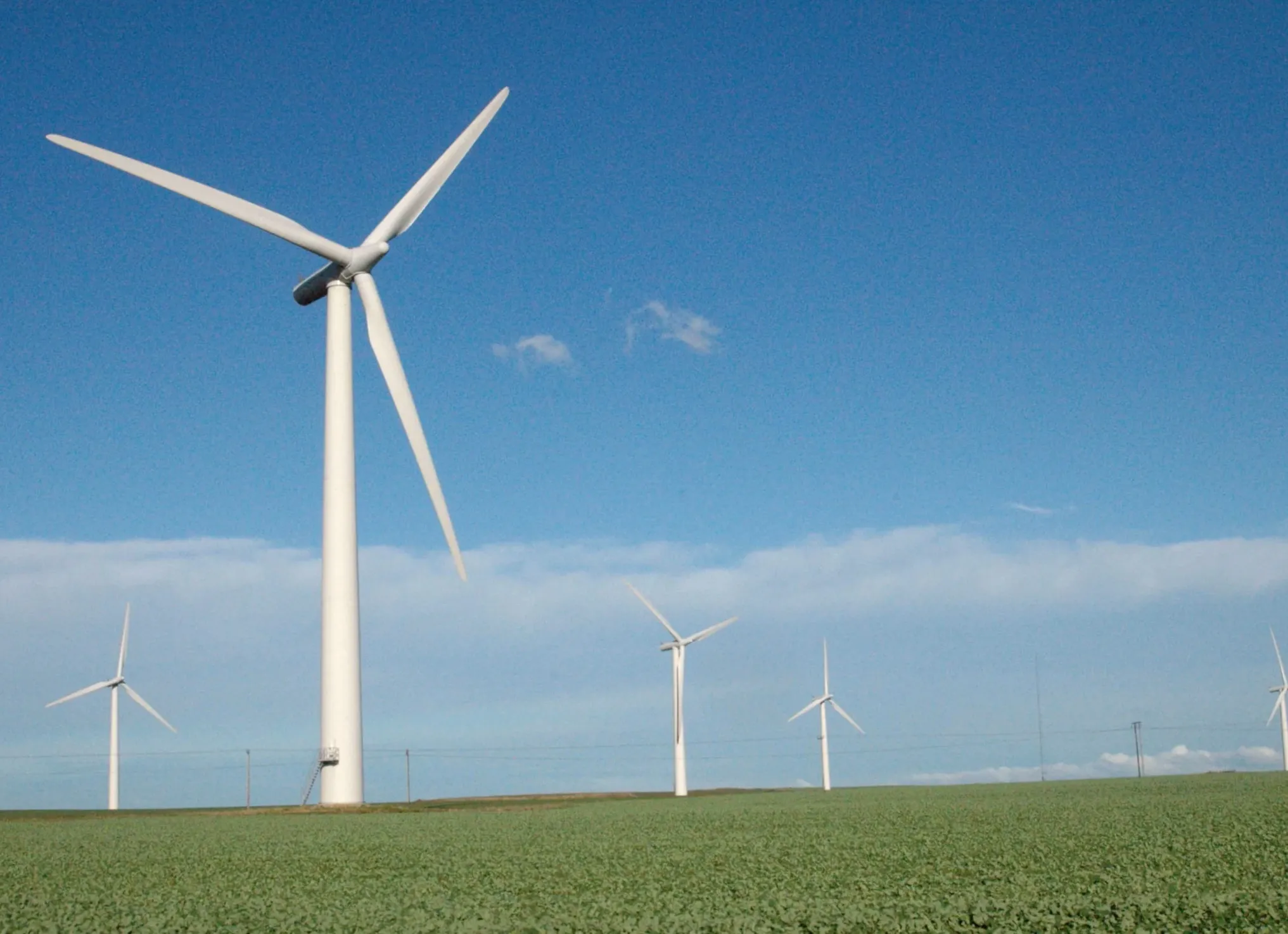
Renewable energy often carries an unexpected environmental cost. In the case of wind power, the enormous turbine blades, once they reach the end of their service life, mostly end up in landfills. In the United States alone, roughly 8,000 blades are decommissioned each year, and by 2050, that number is projected to soar to 235,000. Worldwide, turbine blade waste is expected to grow from 789,000 tons in 2021 to an astonishing 43 million tons by 2050.
Modern wind turbine blades are not smallthey averaged 418 feet in rotor diameter in the U.S. in 2021 and are so durable that cutting them for transport requires diamond-tipped saws.
The Engineering Challenge
The main obstacle lies in the materials used. Turbine blades are made from fiber-reinforced composites, mostly fiberglass embedded in thermoset resin under high heat and pressure. Unlike thermoplastics, which can be melted and reshaped, thermoset composites undergo permanent chemical bonding, making them impossible to remold or recycle using conventional methods.
Three recycling techniques have been explored:
- Mechanical grinding
- Chemical processing
- Emerging hybrid methods
Each of these approaches faces steep technical and financial challenges. The International Energy Agencys Task 45 notes that recycling wind turbine blades involves a complex value chain with multiple stakeholders, each with different interests.
Current Disposal Reality
Despite sustainability claims, most decommissioned blades are still sent to landfills. The typical disposal routes include:
- Landfilling
- Incineration
- Long-term storage
Because blades are hollow, they occupy massive volumes of landfill space relative to their weightcomparable to burying oversized empty containers that will never break down. Incineration, meanwhile, produces significant greenhouse gas emissions, and transporting these massive structures requires specialized trucks, adding further carbon impact.
Recycling Solutions Exist, But Are Expensive
Some manufacturers have made notable progress in blade recycling, though high costs prevent widespread adoption. For example, in 2023, Vestas partnered with CETEC, Olin, and Stena Recycling to develop a method to fully recycle epoxy-based blades. Siemens Gamesa has introduced fully recyclable designs that do not require structural changes.
A 2024 U.S. Department of Energy report found that current recycling infrastructure could handle 90% of turbine blade mass and reduce disposal emissions by over 30% compared to landfilling. The main barrier remains economics: without regulatory requirements or financial incentives, companies continue to choose cheaper landfill disposal.
This situation highlights a broader truth: even renewable energy technologies carry hidden environmental costs when short-term financial priorities outweigh sustainable solutions.
Author: Maya Henderson
Share

India Hicks, Princess Diana's Bridesmaid, Reveals Cancer Diagnosis at 58
6 minutes ago 2 min read WORLD

Report: RSF claims Sudanese forces targeted vital border crossing near Chad
6 minutes ago 2 min read WORLD
Charities applaud new legislation prohibiting puppy smuggling
17 minutes ago 5 min read WORLD

Russia remains firm on Trump peace deal, no compromise reached yet.
18 minutes ago 2 min read WORLD

Qatari prime minister describes Gaza talks as 'critical' moment
25 minutes ago 1 min read WORLD

Two additional individuals apprehended following sexual assault on runner
28 minutes ago 1 min read WORLD

Ombudsman uncovers police shortcomings in IRA attacks investigation
35 minutes ago 4 min read WORLD

Two Teenagers Survive 7 Days Lost at Sea by Eating 100 Jellyfish, Clinging Together for Warmth and Hunger
37 minutes ago 3 min read WORLD
Museum staff left heartbroken as drawings worth £500,000 are destroyed
39 minutes ago 2 min read WORLD

£70k play tower damaged beyond repair by fire
42 minutes ago 1 min read WORLD