

Report shows that fire crews are at higher risk of cancer
- Last update: 1 hours ago
- 2 min read
- 828 Views
- WORLD
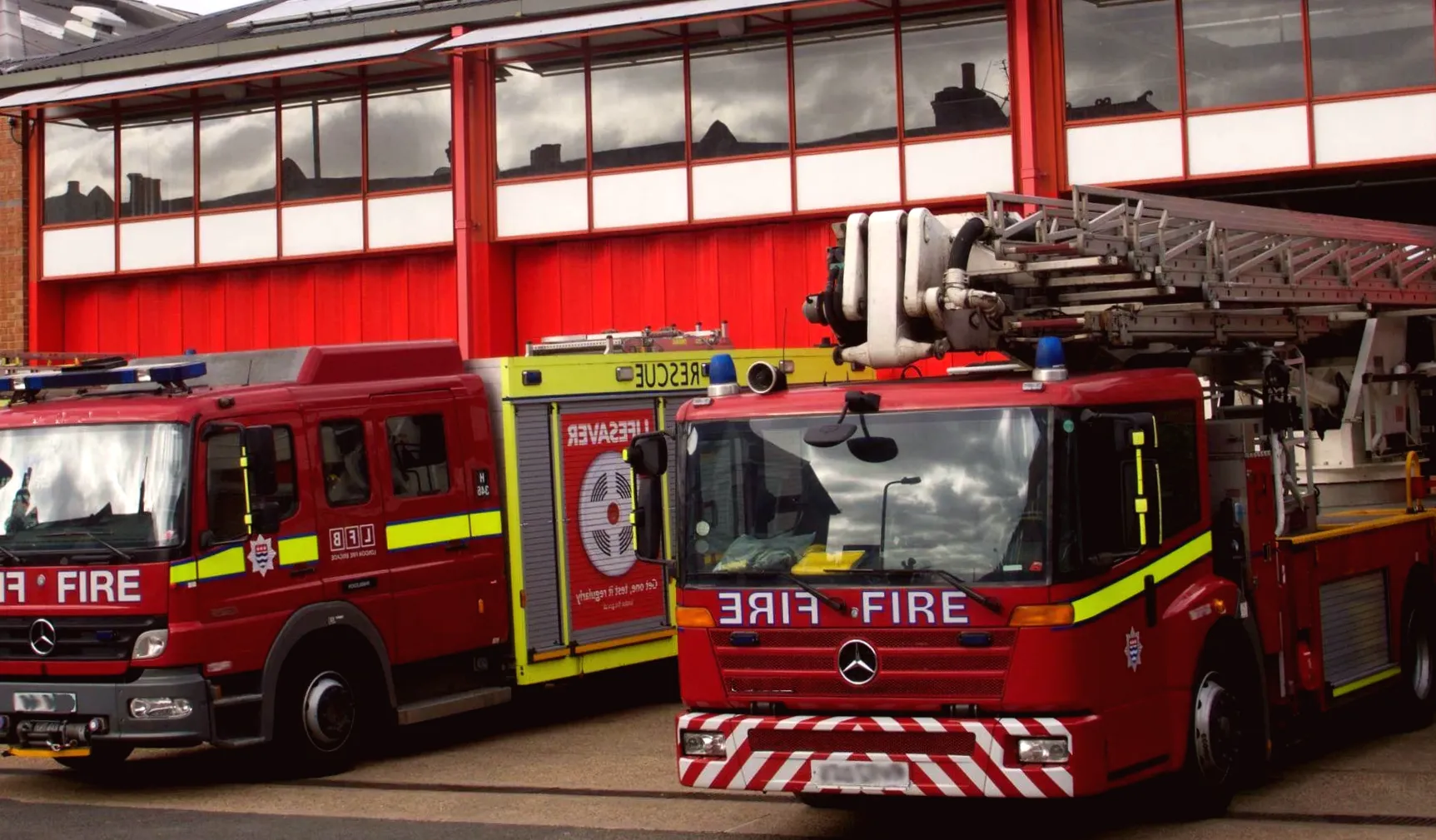
Firefighters in London are particularly vulnerable to cancer-causing substances due to flame retardants used in buildings and hazards from electric vehicle fires, according to information presented to City Hall. Research commissioned by the Fire Brigades Union (FBU) highlighted a significant increase in cancer incidence among firefighters, with those aged 35-39 showing up to a 323% higher rate compared to the general population of the same age.
The London Fire Brigade (LFB) noted that the citys size and density contribute to higher exposure risks for its crews, but emphasized that raising awareness and promoting cultural change within the brigade are also crucial steps.
The FBU urged investment in safety upgrades for outdated fire stations and additional training to help crews minimize contact with harmful contaminants. Reports indicated that many London fire stations have yet to implement health and safety measures designed to reduce contamination risks.
Karl Smith, deputy health and safety coordinator for the FBUs London region, stressed that reforms are necessary both within the LFB and from government authorities to enhance safety standards and lower cancer risks. "The World Health Organization classifies firefighting as a 1A occupation, which represents the highest level of cancer risk," he said, noting that it is comparable to smoking 20 cigarettes daily.
Smith explained that firefighters often cannot shower within an hour after exposure due to staffing shortages, and older fire stations lack proper separation between clean and dirty areas. Despite training and awareness campaigns, follow-up audits are insufficient to ensure compliance with safety procedures.
Deputy Commissioner Spencer Sutcliff described Londons dense urban environment and the widespread use of fire retardants, chemicals, and plastics as factors that have increased occupational hazards. He also cited the rise of lithium battery fires as a growing concern.
Regional FBU chairman Gareth Beeton highlighted funding shortages as a key barrier to improving firefighter safety. He warned that insufficient personnel and outdated equipment are creating operational challenges, urging both the mayor and central government to provide additional support.
Sutcliff also called for a shift in brigade culture, encouraging firefighters to treat clean gear as a priority rather than a "badge of honour" associated with dirty equipment. Plans are underway for awareness programs and senior manager training to reinforce safety protocols and promote a cleaner, safer working environment.
Author: Gavin Porter
Share

Two Teenagers Survive 7 Days Lost at Sea by Eating 100 Jellyfish, Clinging Together for Warmth and Hunger
21 seconds ago 3 min read WORLD
Museum staff left heartbroken as drawings worth £500,000 are destroyed
2 minutes ago 2 min read WORLD

£70k play tower damaged beyond repair by fire
5 minutes ago 1 min read WORLD

Archaeologists Discover Sacrificial Necropolis Containing Cache of Relics
6 minutes ago 2 min read WORLD

Brother and Sister, 4 and 12, Located unharmed by Police Despite Initial Concerns of Girl Possibly Carrying a Weapon
8 minutes ago 1 min read WORLD

Transgender women prohibited from participating in key events at Labour Women's Conference
15 minutes ago 2 min read WORLD

Russia launches extensive drone and missile assault on Ukraine amidst ongoing diplomatic negotiations
18 minutes ago 3 min read WORLD

Colombian family lodges human rights complaint regarding U.S. strike on boat
24 minutes ago 3 min read WORLD
Hamas transfers additional human remains to Red Cross in Gaza Strip
29 minutes ago 1 min read WORLD

Has China changed its policy and recognized North Korea as a nuclear-armed state?
32 minutes ago 3 min read WORLD