
Iran's Back Against the Wall after Nuclear Deal Is Gone
- Last update: 20 minutes ago
- 3 min read
- 253 Views
- WORLD
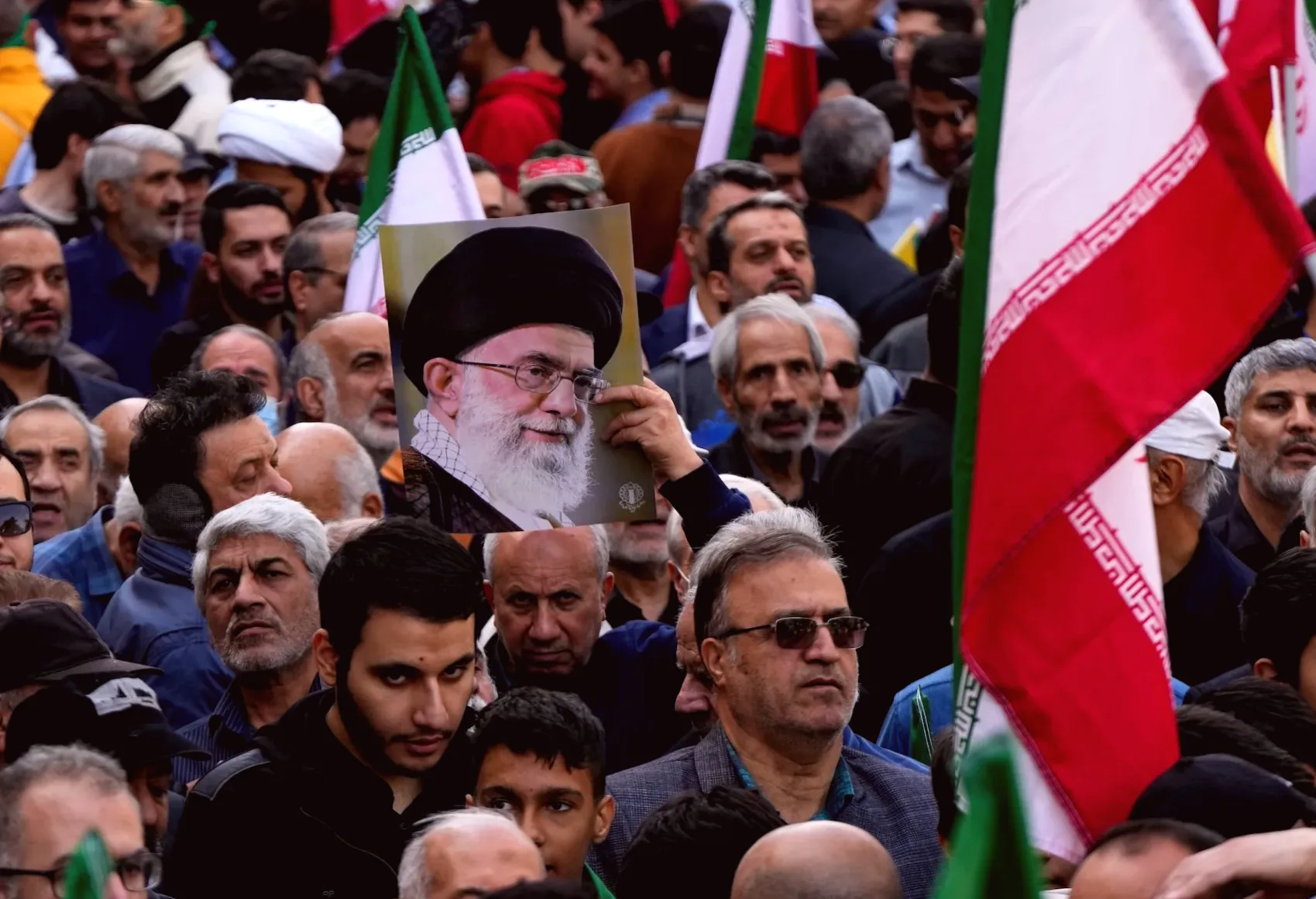
Over six weeks have passed since Iran formally renounced all commitments under the 2015 nuclear agreement, the Joint Comprehensive Plan of Action (JCPOA). This step followed the reinstatement of sanctions by Germany, France, and the United Kingdom, which invoked a provision allowing penalties if Iran was deemed noncompliant. These measures froze Iranian assets abroad, restricted arms deals, and targeted organizations involved in ballistic missile programs.
The JCPOA had already been fragile, weakened by European backing of Israel during its 12-day conflict with Iran in June 2025 and U.S. strikes on Iranian nuclear sites ordered by President Donald Trump. The latest sanctions mark the definitive end of the 2015 deal, highlighting a turning point in Iran-West relations and signaling a setback for diplomacy. European nations, once intermediaries after the U.S. withdrawal from the JCPOA in 2018, are now closely aligned with Washington, partly to secure U.S. support amid the war in Ukraine.
Despite ongoing diplomatic efforts, including Iranian Foreign Minister Abbas Aragchis visit to Francethe first since 2019the European response has hardened. French officials expressed concerns over stalled nuclear cooperation, missile activities, and regional interference, reflecting diminishing opportunities for dialogue.
On the nuclear front, President Masoud Pezeshkian vowed to restore Irans nuclear facilities with greater strength, while reaffirming the countrys stance against weaponization. Meanwhile, the International Atomic Energy Agency (IAEA) confirmed it can no longer verify Irans stockpiles of near-weapons-grade uranium after Tehran suspended cooperation, raising fears of clandestine weapons development.
In response to increasing isolation and renewed sanctions, Iran has sought closer ties with China and Russia. However, these partnerships offer limited relief. Russia provides intelligence-sharing and some equipment transfers, but prioritizes resources for its war in Ukraine. China supports Iran rhetorically and has increased oil imports, yet substantial military assistance or major investments remain unlikely due to international restrictions and regional considerations.
Regionally, Iran continues outreach to rivals like Turkey and Saudi Arabia, yet U.S. pressure constrains deeper economic cooperation. American sanctions throughout 2025 have targeted firms trading with Iran, including in Turkey, the UAE, and China. Efforts to strengthen ties with Central Asia are also hampered by regulatory and financial barriers, limiting Irans ability to leverage regional infrastructure projects.
The renewed sanctions threaten further economic decline, driving inflation, weakening the rial, and eroding investor confidence. This economic strain intensifies political instability, exacerbating social unrest and fueling a domestic crackdown. Following the war with Israel, Tehran has arrested over 20,000 individuals for alleged spying or cooperation with Israel, while also targeting journalists and civil society activists. Public protests persist across sectors, including farmers, business owners, oil workers, and women opposing mandatory hijab rules.
Externally, Iran is expected to continue supporting proxy groups like Hezbollah through covert financial channels, though its regional influence has diminished following the fall of Syrias Bashar al-Assad. Proxy forces in Yemen and Iraq are likely to focus locally rather than advancing Irans strategic aims. Tensions with Israel remain, with the potential for further military action during periods of Iranian vulnerability.
U.S. policy under the Trump administration remains divided between hardline containment and cautious engagement, leaving Tehran uncertain about prospects for a renewed nuclear deal. European and American officials may introduce additional sanctions to curb Irans regional influence, reinforcing the cycle of pressure and resistance.
Despite these challenges, Iran maintains pragmatic ties with Gulf Cooperation Council states, especially Qatar, Saudi Arabia, and Oman, which could provide avenues for de-escalation. Nevertheless, Tehrans diplomatic and economic options are shrinking, and domestic and international pressures are likely to persist, making the confrontation with the West a prolonged and central issue for the country.
Author: Riley Thompson
Share

Discovery of New Burial Site for Infants at Tuam Mother and Baby Home Continues during Excavation
1 minutes ago 2 min read WORLD
Greek Farmers Blockade Key Motorways Demanding Subsidies
1 minutes ago 1 min read WORLD

Kate Middleton’s Annual Christmas Concert Gets a Personalized Touch from Her 3 Children: Here's How
2 minutes ago 2 min read WORLD

Expert: Prince William is Quietly Leading Reforms to the Monarchy
7 minutes ago 2 min read WORLD

Is tap water safe during disruption in Kent and East Sussex?
8 minutes ago 2 min read WORLD

Regeneron's new therapy combination shows effectiveness in cancer patients without prior treatment
8 minutes ago 2 min read WORLD
No 10 says Chinese mega embassy could provide security benefits
9 minutes ago 3 min read WORLD

Earth Was Recently Hit by an Unexpected Solar Flare. Why Were Scientists Caught Off Guard?
10 minutes ago 2 min read WORLD

Sri Lanka reveals plan to assist with cyclone relief as rainy weather continues
14 minutes ago 2 min read WORLD

Search operations continue for long-missing Malaysia Airlines flight MH370
14 minutes ago 2 min read WORLD