

Require the emergency exit? Expect a 15-second delay in NYC.
- Last update: 32 minutes ago
- 3 min read
- 937 Views
- US

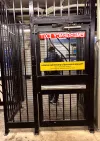
NEW YORK CITY Travelers in the citys subway system may experience a short wait when using certain emergency exits. In a measure designed to combat fare evasion, the Metropolitan Transportation Authority (MTA) has introduced emergency doors that trigger an alarm but remain locked for up to 15 seconds before opening.
Transit staff can override the delay during genuine emergencies. Yellow signage near these exits informs riders that the system is intended to prevent fare evasion and will open shortly after the alarm is activated.
Some commuters have raised safety concerns. It doesnt seem safe to delay emergency exits just to stop fare evasion, especially if lives could be at risk, said Jeff Klein, founder of the New York Lab, a coalition focused on subway safety issues.
In a widely shared video on TikTok, Klein filmed himself waiting at one of the new emergency doors, highlighting the brief but noticeable delay.
Efforts to Curb Fare Evasion
Since the COVID-19 pandemic, fare evasion in the NYC subway has increased, straining the systems finances. The MTA has implemented various strategies to reduce unpaid rides, including taller turnstiles and restricted turnstile motion. Emergency exits, frequently used to bypass fares, are now equipped with delayed-opening doors and monitored by security personnel.
The cost of installing the new doors is approximately $11,000 per gate, with 190 stations outfitted, totaling around $2 million. MTA spokesperson Laura Cala-Rauch reported that fare evasion has decreased by 30% in areas where the doors are installed, and the system has been approved as safe under state building and fire regulations.
Governor Kathy Hochul recently noted rising subway ridership following the pandemic. The MTA plans to eventually replace older turnstiles with modern, more secure, and accessible entrances, including motorized doors that open after a fare is paid.
Concerns Over Safety and Accessibility
Disability advocates have voiced worries about the delayed exits, especially during emergencies. Past incidents like the Sept. 11 attacks and the 2022 Brooklyn train shooting show how quickly panic can spread in stations. Sharon McLennon Wier, executive director of the Center for Independence of the Disabled, warned that even a brief delay could be dangerous for individuals with disabilities.
Commuters are weighing the trade-off between safety and fare evasion prevention. Betsy Shortt, a teacher waiting for a train in northern Manhattan, noted that fare costs add up, particularly with an upcoming increase, and understood why some riders might attempt to bypass payment.
Instances of commuters bypassing the delayed doors have already been observed, as one exit was left partially open, allowing dozens of people to enter without paying.
Author: Noah Whitman
Share
Require the emergency exit? Expect a 15-second delay in NYC.
32 minutes ago 3 min read US

New York lawmakers propose banning protests outside houses of worship following pro-Palestinian demonstration
2 days ago 2 min read US

Chanel gives a glamorous rebrand to the New York City subway
3 days ago 3 min read BUSINESS

Chanel's latest presentation pays tribute to NYC with a star-studded runway show on an actual subway platform
3 days ago 3 min read ENTERTAINMENT

Chanel Métiers d’Art 2025: The 'C' Collection
3 days ago 4 min read STYLE