

December's Full Cold Supermoon Peaks Soon—Here's How and When to See It How and When to Catch a Glimpse of December's Full Cold Supermoon
- Last update: 48 minutes ago
- 2 min read
- 657 Views
- US
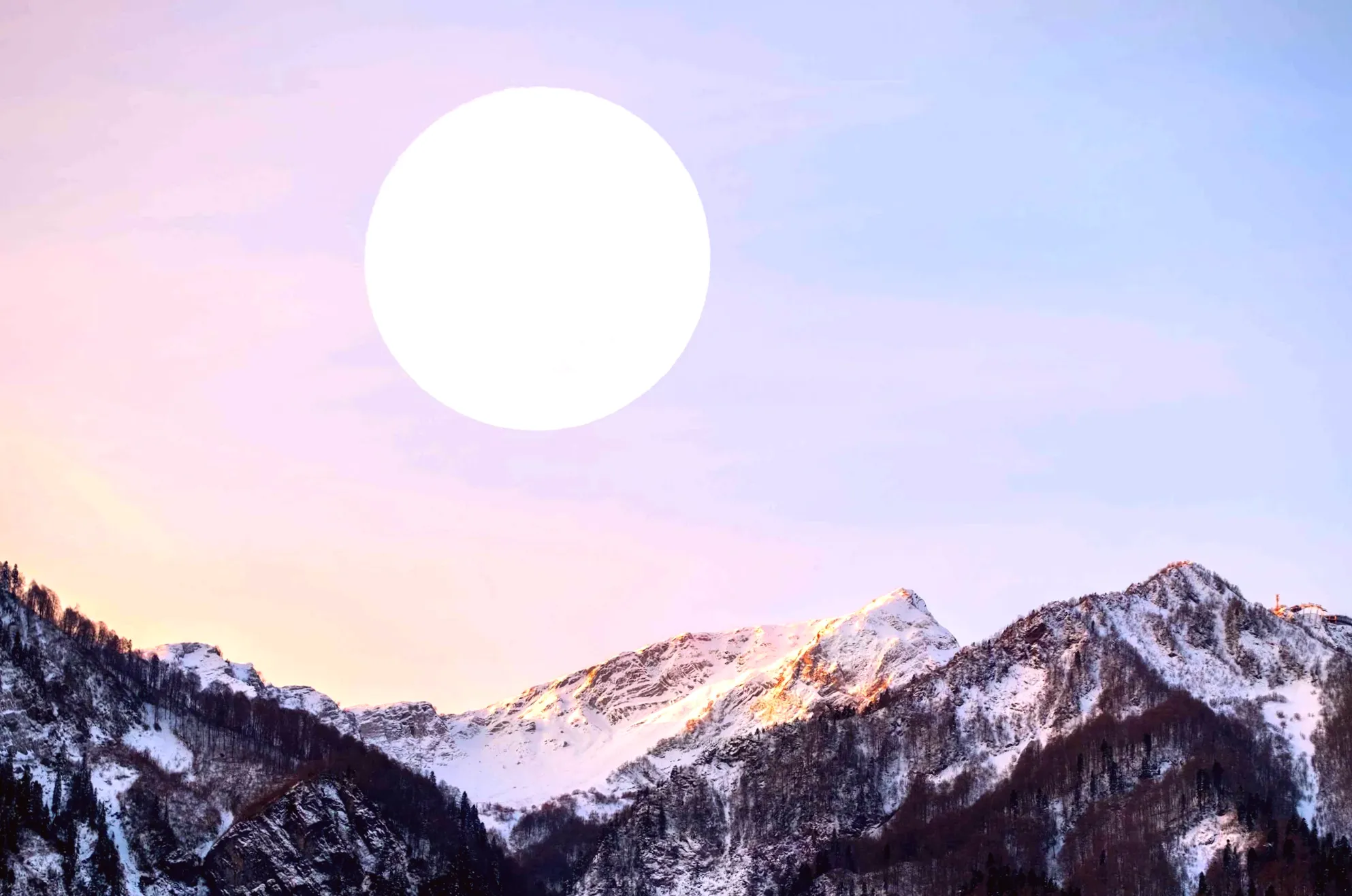
The final full moon of 2025, the Cold Supermoon, will reach its peak on December 4 at 6:15 p.m. EST. This moon will be the second-closest full moon of the year and the third in a rare series of four consecutive supermoons. A supermoon occurs when the moon is within 90% of its closest point to Earth, known as perigee, making it appear both larger and brighter.
The full moon will begin appearing full starting on the night of December 3, and will reach its full peak the following evening. It will continue to appear full on December 5 as well.
A supermoon occurs when a new or full moon is within 90% of perigee, which is the moons closest approach to Earth. This proximity causes the moon to appear significantly brighter and larger compared to a typical full moon. NASA states that at its closest, the moon can appear up to 14% larger and 30% brighter than the faintest full moon of the year.
This Cold Supermoon will be the second-closest full moon of 2025, following the Beaver Moon in November. It is also the third of four consecutive supermoons, with the final one set to occur on January 3, 2026. While supermoons themselves are not rare, the occurrence of four consecutive ones is quite unusual.
Traditionally, Decembers full moon is referred to as the Cold Moon. This name comes from the Mohawk people, reflecting the chilly winter temperatures. Other Native American tribes have various names for the moon, including the Frost Exploding Trees Moon (Cree), the Moon of the Popping Trees (Oglala), the Moon When the Deer Shed Their Antlers (Dakota), the Winter Maker Moon (Western Abenaki), and the Long Night Moon (Mohican).
For the best viewing experience, try to observe the moon shortly after it rises. This is when the moon often appears larger due to its position near the horizon, a phenomenon called "moon illusion." To see the moon in its full brilliance, find a location with minimal light pollution. Check TimeandDate.com for the exact time of moonrise in your area.
Author: Riley Thompson
Share

Council looks for contractor to remove flags following staff abuse.
5 minutes ago 2 min read US

8-Year-Old Girl Identified as Victim in California Birthday Party Mass Shooting Just 2 Weeks Before Turning 9
18 minutes ago 2 min read US

Medical professionals caution about the surge in 'Holiday Heart Syndrome' and other heart-related problems this month. Here's the reason.
18 minutes ago 3 min read US

Luigi Mangione's testimony captured in audio and images
19 minutes ago 2 min read US

Video: Oklahoma dog has the longest tongue in the world at 7 inches
36 minutes ago 1 min read US

Signs You Might Need a Folate Supplement, According to Dietitians
42 minutes ago 3 min read US

Transformation of Historic Community Centre into SEND School
43 minutes ago 2 min read US

Thomas Perez Jr. Wrongly Admitted to Killing His Father After a 17 Hour Interrogation — but His Dad Was Actually Alive the Entire Time. Inside the Troubling Incident
45 minutes ago 3 min read US
December's Full Cold Supermoon Peaks Soon—Here's How and When to See It How and When to Catch a Glimpse of December's Full Cold Supermoon
48 minutes ago 2 min read US

Here's the Reason Behind the Proposed Law Requiring Speed Limiters in Cars
49 minutes ago 2 min read US