

Do not be afraid of losing muscle - combat it: Muscle preservation as a new anti-aging strategy.
- HOME
- ENTERTAINMENT
- Do not be afraid of losing muscle - combat it: Muscle preservation as a new anti-aging strategy.
- Last update: 6 hours ago
- 4 min read
- 680 Views
- ENTERTAINMENT
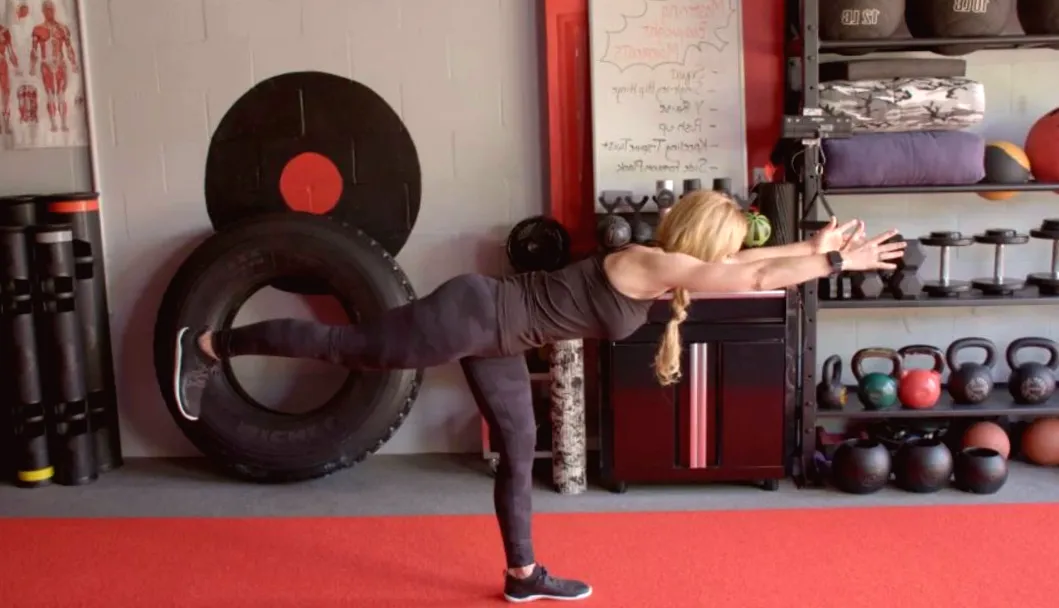
Dana Santas, recognized as the Mobility Maker, is a certified strength and conditioning expert and mind-body coach in professional sports. She is also the author of Practical Solutions for Back Pain Relief. Many people assume aging automatically brings physical decline, and muscle loss is often a particularly worrying concern. The thought of becoming weaker over time can be unsettling. The encouraging news is that you have significant control over this process.
The most effective way to counteract muscle loss is through resistance training, which challenges muscles by having them work against force. Adults typically lose between 3% and 8% of their muscle mass per decade after the age of 30, with the pace of loss increasing after 60. If ignored, this decline can negatively affect balance, metabolism, bone density, and independence, while also raising the risk of falls, fractures, and metabolic issues.
Fortunately, building strength doesnt require a gym or heavy equipment. Bodyweight exercises, which work against gravity, can provide enough resistance to enhance muscle, especially for beginners. Prioritizing strength training is not just about maintaining muscleits a long-term investment in health, independence, and quality of life.
Strategies for Maintaining and Rebuilding Muscle
For those new to strength training, start with simple bodyweight exercises targeting the upper body, lower body, and core. Older adults or those with limited mobility can begin with modified movements like box squats, wall push-ups, and seated leg lifts. Focus on proper form, controlled movements, and correct breathing, exhaling during the exertion phase of each exercise.
The CDC recommends strength training at least twice per week for all major muscle groups, though research suggests that older adults may benefit from three sessions weekly. Workouts dont need to be long10 to 30 minutes of consistent, focused resistance training can produce meaningful results. The principle of progressive overloadgradually increasing exercise difficultyis key. As strength improves, increase repetitions, slow your movement, or incorporate resistance bands or light weights.
Weighted vests or wrist and ankle weights are simple ways to add resistance without jumping straight into dumbbells. Always consult a doctor or physical therapist before starting a new exercise routine.
The Role of Nutrition and Recovery
Muscle growth requires proper nutrition. Protein intake becomes increasingly important with age, as older adults need more protein to stimulate muscle protein synthesis. Aim for 1.2 to 1.6 grams of protein per kilogram of body weight per day, distributed across meals.
Food quality is crucial. Chronic inflammation can impair muscle maintenance, so emphasize whole foods like lean proteins, vegetables, fruits, whole grains, and healthy fats while reducing highly processed foods. Muscle growth occurs during rest, not exercise, so allow at least 48 hours between workouts targeting the same muscles and aim for 7 to 9 hours of quality sleep each night.
Why Muscle Strength Matters
Muscle tissue is metabolically active, helping burn calories and regulate blood sugar. Loss of muscle slows metabolism, increases weight gain risk, and can impair glucose control, raising the likelihood of type 2 diabetes. Strong muscles also protect bone health by signaling bones to maintain or increase density, reducing fracture riskparticularly important for older adults and postmenopausal women.
Muscle strength is also critical for maintaining independence. It stabilizes joints, improves balance, and enhances recovery from falls. Grip strength is a reliable indicator of overall muscle health and can predict disability and longevity in older adults.
Understanding Muscle Loss
Age-related muscle decline, known as sarcopenia, stems from both biological changes and lifestyle factors. Reduced efficiency in building new muscle, hormonal shifts, inactivity, insufficient protein intake, chronic inflammation, poor sleep, and unmanaged stress all contribute to muscle loss.
However, regular strength training triggers positive effects: it reduces inflammation, improves sleep quality, and lowers anxiety and depressive symptoms. Muscle decline is not an unavoidable consequence of agingits a challenge that can be addressed, allowing you to stay active and strong in later years.
Author: Aiden Foster
Share

Do not be afraid of losing muscle - combat it: Muscle preservation as a new anti-aging strategy.
6 hours ago 4 min read ENTERTAINMENT

Following this daily routine can make you feel 10 years younger, according to a mobility coach — and no, it's not stretching
14 hours ago 2 min read SPORT

Top Aerobic Exercise Tip for Longevity Shared by Fitness Experts
16 hours ago 3 min read HEALTH

I believed creatine was only for gym enthusiasts. Here's why I finally gave in—and why you might want to, too.
20 hours ago 3 min read ENTERTAINMENT

5 Jumping Workouts to Improve Aging and Increase Longevity
1 days ago 4 min read ENTERTAINMENT

Experts Recommend 7 Weekly Activities for Building Stronger Bones
3 days ago 3 min read HEALTH
Researchers Identify Optimal Age for Exercise to Benefit Brain Health
4 days ago 3 min read HEALTH

The importance of discussing bone health in your 30s
4 days ago 4 min read HEALTH

Build power after 50 with these 4 low-impact jump workouts
4 days ago 3 min read HEALTH
My parents improved their health by learning to deadlift in their 80s
4 days ago 3 min read HEALTH