

Dear Pete Hegseth, I Appreciate the Japanese Navy for Saving My Grandfather's Life
- HOME
- ENTERTAINMENT
- Dear Pete Hegseth, I Appreciate the Japanese Navy for Saving My Grandfather's Life
- Last update: 29 minutes ago
- 3 min read
- 442 Views
- ENTERTAINMENT
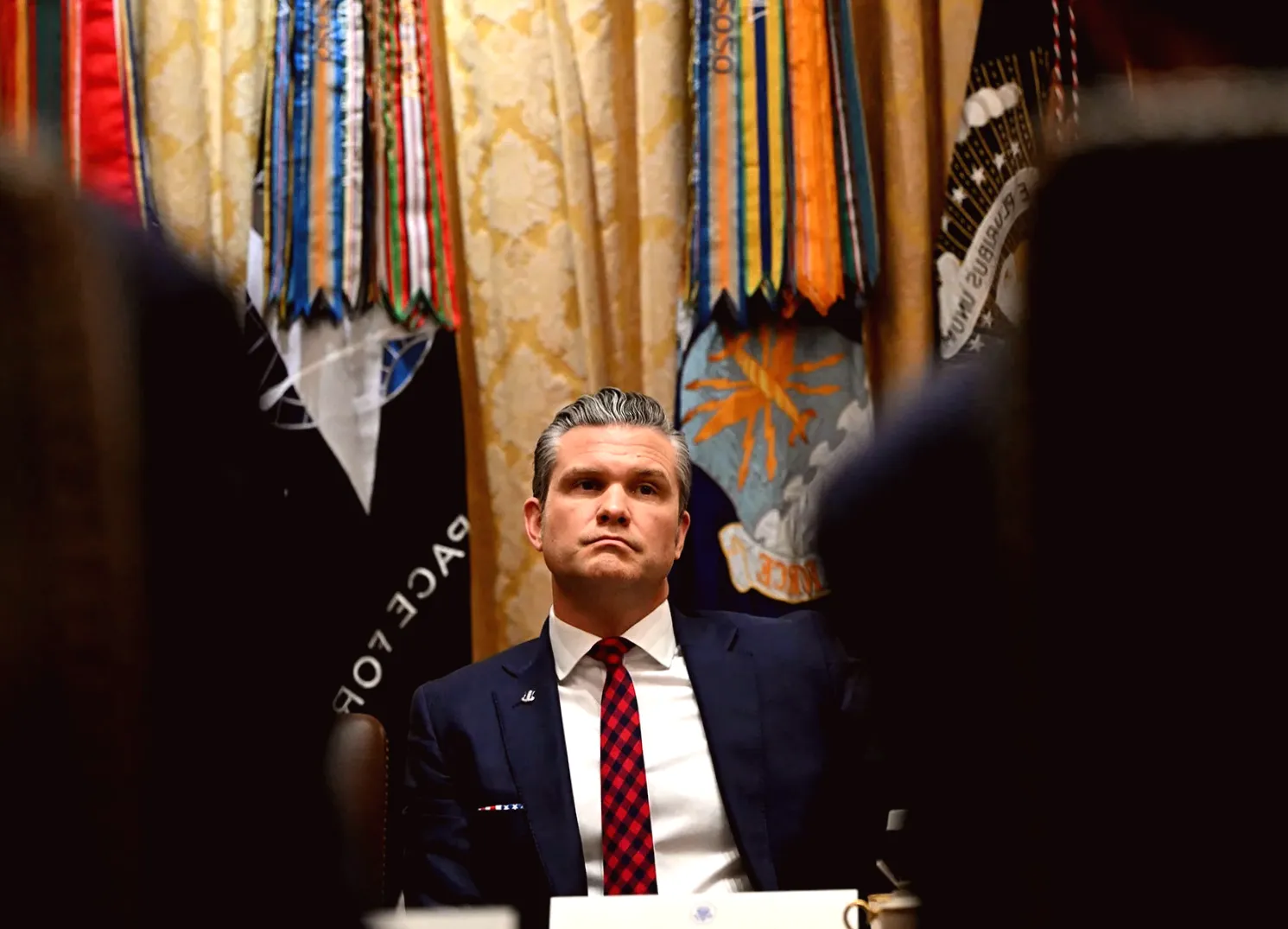
My grandfather, Frank Gustaferro, received his deployment orders while at his uncle Carlos Bakery in Hoboken, New Jersey. He was instructed to report to the SS John Barry, scheduled to depart in a few days. Unknown to many, the vessel was transporting millions of silver coins to fund wartime operations in Saudi Arabia when it was struck by the German submarine U-859 on August 28, 1944. Two crew members perished immediately, while the rest, including my grandfather, were thrown into the ocean, blinded by oil, injured, and desperate, clinging to debris.
As they floated in the Indian Ocean, Japanese aircraft flew overhead. My grandfather feared an attack, but none came. Even amid the harsh realities of total war, certain moral lines were observedlines older than the Geneva Conventions or modern definitions of war crimes. Shipwrecked men and the injured were not targeted, and my grandfathers survival owed itself to this basic principle of humanity, even among enemies.
Fast forward to September 2, recent scrutiny has surrounded the Department of Defense after a report revealed that under orders allegedly linked to Defense Secretary Pete Hegseth, a follow-up strike was conducted on a wrecked vessel in the Caribbean, killing survivors who had already been hit. Hegseth denies ordering total elimination, though an initial directive reportedly targeted all aboard the suspected drug-smuggling boat. Admiral Mitch Bradley then authorized the secondary strike after survivors clung to the wreckage. The White House confirmed that the second strike occurred.
Trumps administration has argued these actions are justified under a claimed armed conflict with drug cartels, citing the fog of war. Lawmakers from both parties expressed concern over the report. Senator Tom Cotton stated that Admiral Bradley clarified no explicit order was given to kill all survivors, yet Democratic members, including Representative Jim Himes, described the attacks on defenseless individuals as profoundly troubling.
If the military deliberately killed survivors, this would constitute a clear violation of war laws and a moral failure. It contrasts starkly with the restraint shown by Japanese pilots in 1944, who spared shipwrecked American sailors despite the brutal nature of the Pacific conflict. Historical accounts, such as those in The Last Stand of the Tin Can Sailors by James D. Hornfischer, document cases of mercy even amid total war.
International law, under the principle of hors de combat, prohibits attacks on individuals out of combat, regardless of status. The preservation of humanity in conflict is essential, preventing war from becoming indiscriminate slaughter. The current situation demands accountability, as moral failure at the top can undermine both the integrity of the military and the dignity of those who risked their lives at sea.
It is imperative that leaders, regardless of political party, uphold ethical standards. Holding ourselves accountable restores honor to the sacrifices of men and women who served and protects the core values that define America.
Author: Olivia Parker
Share

Dear Pete Hegseth, I Appreciate the Japanese Navy for Saving My Grandfather's Life
29 minutes ago 3 min read ENTERTAINMENT
Survivors of boat collision did not call for help, Bradley informs lawmakers: Report
14 hours ago 3 min read WORLD
Lawmakers reveal new details of US boat strikes: What you need to know
17 hours ago 3 min read POLITICS

Conservative Commentators Celebrate Violence in the Caribbean
18 hours ago 3 min read POLITICS
Survivors killed in follow-up strike captured on video, causing concern among lawmakers
1 days ago 3 min read WORLD
A US aircraft carrier's sudden maneuver to dodge enemy fire caught sailors off guard and caused a jet with faulty brakes to crash into the sea
1 days ago 2 min read POLITICS
Admiral denies issuing 'kill them all' order in boat attack
1 days ago 3 min read POLITICS
Exclusive: Admiral overseeing double-tap strike tells lawmakers survivors on capsized boat did not call for backup
1 days ago 3 min read WORLD
Brief Explanation of Trump's Scandal Involving War Crimes
1 days ago 2 min read POLITICS
WWII Draft Dodgers among Japanese Americans
2 days ago 3 min read WORLD