

15 Animated Innovations in the Last 30 Years of Pop Culture History
- HOME
- ENTERTAINMENT
- 15 Animated Innovations in the Last 30 Years of Pop Culture History
- Last update: 14 hours ago
- 3 min read
- 667 Views
- ENTERTAINMENT
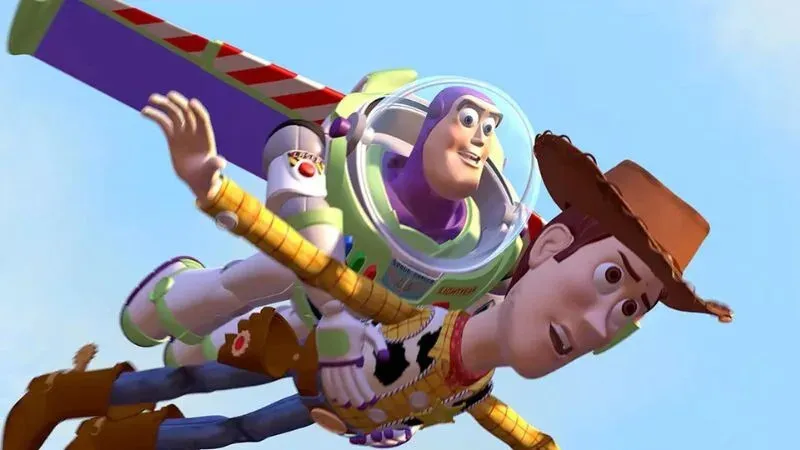
Celebrating 30 years since the release of Toy Story, it's incredible to reflect on the leaps animation has made. While the original film remains a landmark achievement, revisiting it today highlights just how far the medium has advanced. Back in 1995, it was revolutionary enough to earn John Lasseter a special Oscar for developing techniques that enabled the first full-length computer-animated movie.
As with all technology, animation and CGI have quickly evolved, reaching milestones that continue to amaze. From the birth of computer-animated films to modern experimental works, here are 15 pivotal moments that reshaped animation.
15. Pixar and the Luxo Ball
Following their first CGI short, The Adventures of Andre and Wally B., Pixar aimed for something monumental. Toy Story (1995) was more than a beloved filmit was a technological breakthrough that transformed the animation industry.
14. Marvin the Martian Goes 3D
In June 1996, this short became the first computer-animated film designed for 3D glasses. Despite being based on classic 2D animation, CGI was essential to create a fully 3D experience while preserving the iconic Looney Tunes look.
13. Star Wars Episode I: The Phantom Menace
Released in 1999, this installment was a pioneer in integrating CGI into live-action filmmaking, with extensive use for characters, vehicles, and backgrounds. Its realistic effects set a new standard for blockbuster cinema.
12. Ice Age
Blue Sky Studios 2002 film was the first feature-length animation rendered entirely with a ray tracer, simulating light behavior for realistic shadows, reflections, and transparency effectsa major leap from Pixar's earlier lighting cheats.
11. The Matrix Reloaded
This 2003 film introduced image-based facial animation, capturing high-resolution expressions from actors to create digital doubles. It enabled virtual camera work that replaced complex physical rigs.
10. Polar Express
The 2004 film pioneered motion capture for fully 3D characters, recording actors movements and facial expressions to bring virtual characters to life with unprecedented realism.
9. Sky Captain and the World of Tomorrow
Also from 2004, this movie was entirely shot with live actors against CGI backgrounds, eliminating physical setsa groundbreaking approach at the time.
8. Cars
Pixars 2006 hit used 1,000 times more computing power than Toy Story, allowing intricate object interactions, realistic reflections, and complex racetrack sequences featuring numerous characters.
7. Avatar
James Camerons 2009 epic created a fully 3D, photorealistic world with seamless interaction between humans and CGI characters, pushing visual realism to new heights.
6. Up
Pixars 2009 film showcased technical feats, including thousands of digitally animated balloons lifting Carls house. It was the first Pixar movie to use Disney Digital 3-D, adding unprecedented depth to animation.
5. ParaNorman
The 2012 stop-motion film introduced full-color 3D-printed facial expressions, giving characters over 1.5 million expression possibilities and revolutionizing stop-motion detail and realism.
4. XGen Software in Tangled
Disney's XGen animation tool enabled realistic hair, fur, and vegetation, bringing natural movement to every strand and blade in the 2010 film Tangled.
3. Spider-Man: Into the Spider-Verse
This 2018 film blended comic book aesthetics with CGI, using machine learning to translate artist-created visuals into animation, earning an Oscar for Best Animated Feature.
2. Avatar: The Way of Water
The 2022 sequel introduced underwater motion capture for realistic water simulations, further expanding the boundaries of visual effects in cinema and winning an Oscar for Best Visual Effects.
1. The Death of Film
Created by Samuel Felinton, Damien Dennis, and Declan Mungovan, this experimental 856-hour animated film explored the "gradual demise of cinema." Using AI-generated content, it holds the record for the longest animated film and supports the Animation Guild, promoting traditional animation in the age of CGI.
Author: Aiden Foster
Share
The Top 15 TV Shows of 2025
11 hours ago 4 min read ENTERTAINMENT

15 Animated Innovations in the Last 30 Years of Pop Culture History
14 hours ago 3 min read ENTERTAINMENT

51 Video Game Movies Currently in Development: Which Ones Will Actually Be Released?
3 days ago 3 min read MOVIES
Asia's Animation Industry Thrives with 'Jumbo,' Malaysia and Korea Leading the Way – JAFF Market
3 days ago 2 min read MOVIES

Hasbro's Biggest Directive Ignored by Beast Wars: Transformers Bosses
4 days ago 3 min read MOVIES

James Cameron Expresses Horror at Using Generative AI to Create Characters
4 days ago 2 min read MOVIES