

Politicians criticize law banning greyhound racing
- Last update: 1 days ago
- 2 min read
- 641 Views
- BUSINESS
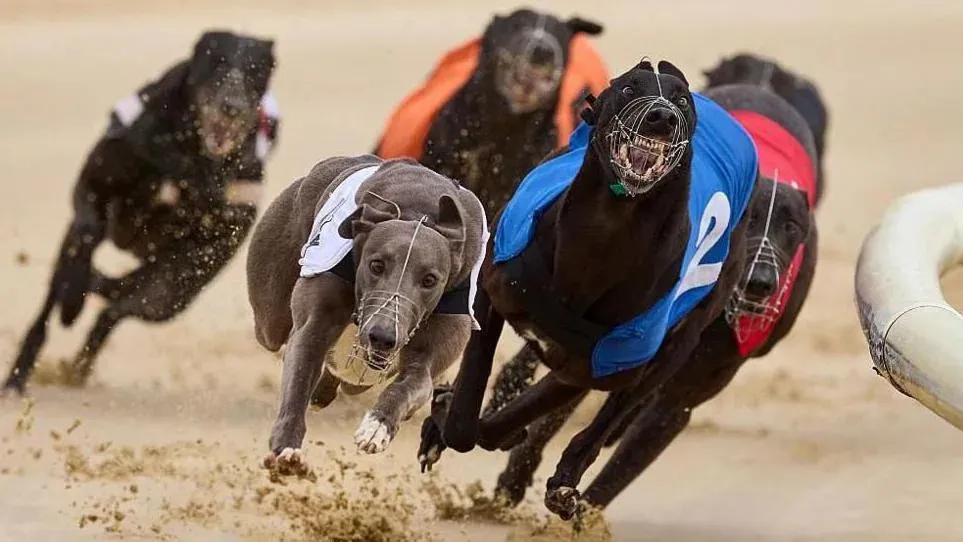
A cross-party group of politicians has voiced strong opposition to a bill aiming to prohibit greyhound racing in Wales. The Senedd's culture committee stated that the Welsh government's plans rely on "incomplete and disputed evidence" and a "lack of solid data."
Recently, the Greyhound Board of Great Britain received approval to challenge the ban in the High Court, arguing that ministers did not follow proper legal procedures.
The Welsh government responded that it will "carefully review" the committees findings and provide a response in due course.
The committee has been examining proposals to gradually end greyhound racing in Wales by 2030. The ban was initially agreed upon as part of a deal with Welsh Liberal Democrat Jane Dodds to secure the passage of the government's budget earlier this year. If passed, the legislation would lead to the closure of the last greyhound track in Ystrad Mynach, Caerphilly County.
Supporters of the ban highlight the risks the sport poses to the dogs, including injuries and fatalities. The committee acknowledged these concerns but emphasized that the government should have pursued a more thorough, evidence-based approach when drafting the law. They also noted that the accelerated timeline for introducing the legislation limited the opportunity to address key questions and caused ongoing confusion.
Plaid Cymru's Delyth Jewell, chair of the culture committee, remarked: "Everyone agrees that animal welfare must be the top priority in any decision regarding greyhound racing. However, the lack of comprehensive evidence made it difficult to scrutinize this bill properly. We were asked to evaluate legislation based on incomplete and contested data, with very limited time. That is not how effective law is made."
Jewell added that serious welfare concerns, including injuries and fatalities, persist and that the potential impact on those whose livelihoods rely on the sport has not been fully assessed.
The Greyhound Board of Great Britain described the proposed ban as driven "not by greyhound welfare but by pressure from extreme animal rights activists."
A spokesperson for the Welsh government thanked the committee for its report and reiterated that the recommendations will be reviewed carefully before responding.
The committee's message to ministers is clear: the legislation has been rushed, and more thorough data collection and consultation should have been conducted to ensure sound policymaking.
Author: Grace Ellison