

Attempt to construct manure energy plant unsuccessful
- Last update: 2 days ago
- 2 min read
- 432 Views
- BUSINESS
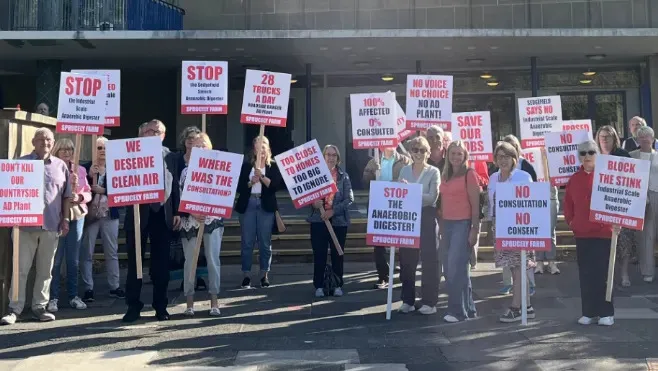
A proposed energy plant that would have converted food waste and farm manure into gas will not proceed, following a ruling by the planning authorities. Although plans for the site near Sedgefield had been approved last December, developers escalated the case to the governments Planning Inspectorate after Durham County Council failed to issue formal permission within the expected timeframe.
On Tuesday, the inspectorate determined that the environmental and visual impact of the proposed plant would outweigh its potential benefits. The report cited the "very significant harm" the facility would cause to the surrounding landscape's character and appearance.
BioConstruct NewEnergy, the Teesside-based company behind the project, declined to comment. The council, led by Reform UK, said it is currently reviewing the decision. The planned facility was intended to process food waste and farmyard manure into gas, which would then be refined into biomethane for the National Grid.
Durham County Council had initially granted approval but did not provide the necessary formal notice for the developers to proceed. The delay was partly due to objections from nearby Knotty Hill Golf Centre, which stated it had not been consulted about the plans despite its proximity to the site.
BioConstruct NewEnergy subsequently brought the case to the Planning Inspectorate to address the delay in obtaining formal planning permission. Local stakeholders expressed relief at the decision. Tim Boyd, general manager of Hardwick Hotel, said his main concern had been the potential odour from the plant. Dennis Craggs, owner of Knotty Hill Golf Centre, stated: "Now we can just move on without this huge worrying cloud hanging over our heads."
The inspectorate clarified that odour was not a determining factor in rejecting the project, noting that evidence suggested the plant would not have caused unacceptable odour emissions. However, it emphasized the plants potential to cause "moderate to major significant visual effects" on nearby footpaths and surrounding areas.
Local residents and business owners described the ruling as positive news for the community, allowing outdoor events, weddings, and festivals to continue without disruption from the proposed facility.
Author: Riley Thompson