

When to observe the peak of the strongest meteor shower of the year along with a cold supermoon in KS
- Last update: 1 hours ago
- 2 min read
- 199 Views
- WORLD
The last full moon of 2025 will be a supermoon, gracing Kansas skies just before the peak of a major meteor shower this month. The December cold supermoon will reach its maximum at 7:20 a.m. Central Standard Time on Thursday, December 4. Although the moon appears full for a day on either side of the peak, the optimal viewing time is during moonrise at dusk on Friday, December 5.
In Wichita, the moon will rise at 5:46 p.m. on December 5. Weather conditions are expected to be favorable for stargazing, with mostly clear skies forecasted, though temperatures will be chilly, dropping to around 26F, according to the National Weather Service.
The December full moon is traditionally called the cold moon, a name reflecting the seasons freezing temperatures. It is also known by other names, including the drift-clearing moon, frost-cracking trees moon, popping trees moon, and hoar frost moon, as noted by the Old Farmers Almanac, which preserves both Indigenous and colonial American lunar naming traditions.
This cold moon is also the third consecutive supermoon of 2025. Supermoons appear up to 14% larger and 30% brighter than moons at their farthest distance from Earth, according to National Geographic. NASA explains that a supermoon occurs when a full or new moon is within 90% of its closest approach to our planet, producing the brightest and largest lunar displays of the year.
Geminid Meteor Shower Peaks in December
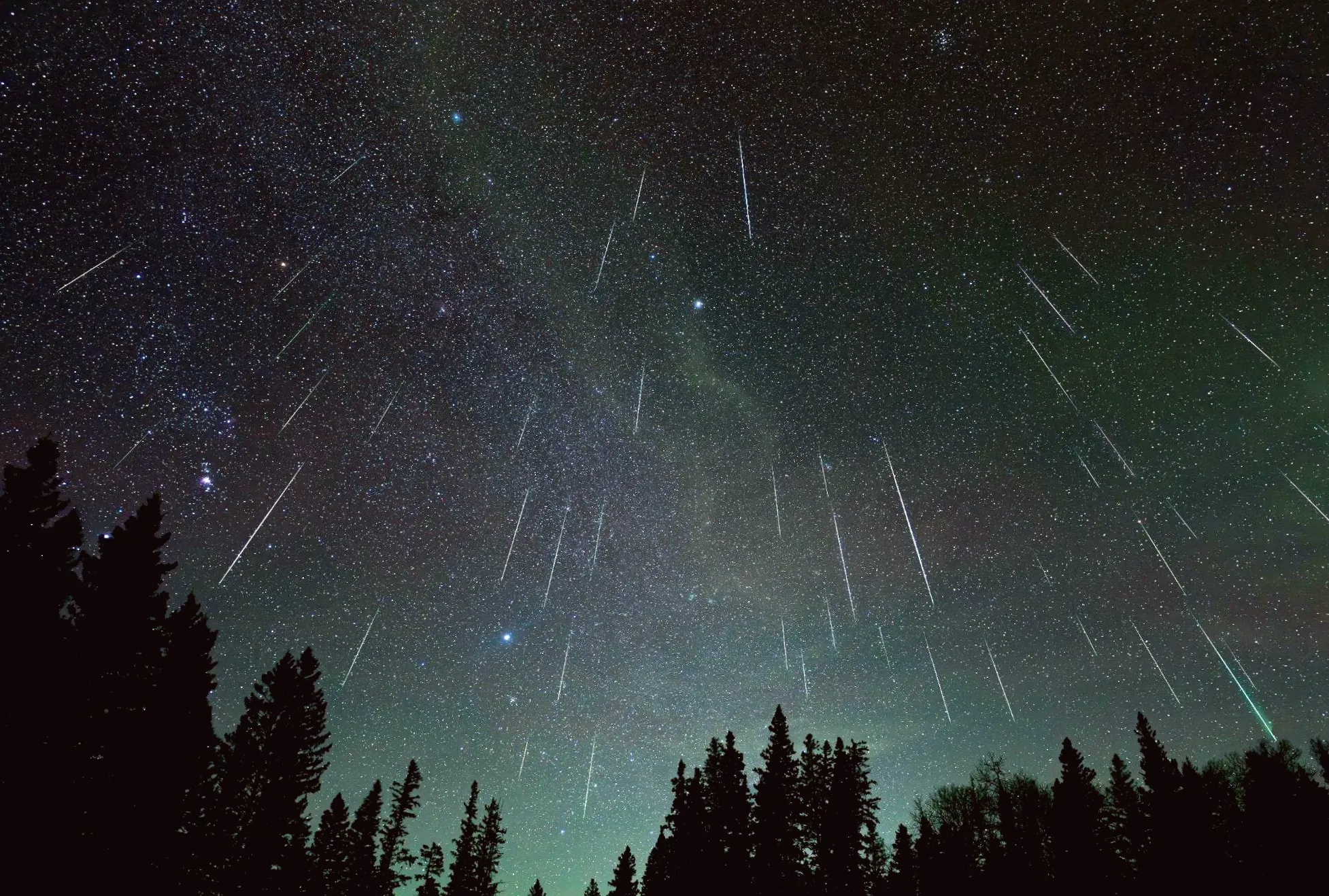
Alongside the cold supermoon, December brings the Geminid meteor shower, considered by the American Meteor Society as the strongest meteor shower annually. Active from December 4 through December 17, the Geminids will peak during the night of Saturday, December 13 into early Sunday, December 14.
Geminid meteors are known for their brightness and vivid colors. This year, the moon will be only 30% full during the peak, making the display more visible compared to previous years. In dark areas, stargazers may witness over 100 meteors per hour at the showers peak. The prime viewing window is expected to be from 10 p.m. on December 13 to 2 a.m. on December 14.
For astronomy enthusiasts, the Kansas Astronomical Observers will hold a public meeting on Saturday, December 20, from 3 to 5 p.m. at Lake Afton Public Observatory, welcoming visitors interested in observing the night sky.
Author: Logan Reeves
Share

Restoration project for Town Hall could reach £450m
38 seconds ago 2 min read WORLD

Trump's 160 posts on Truth Social ignite debate on US president's endurance
1 minutes ago 3 min read WORLD

Japan accuses Chinese jets of using fire-control radar against Japanese aircraft
1 minutes ago 2 min read WORLD

'Inviting destruction to save the colony: sick ants call for death'
5 minutes ago 2 min read WORLD

Netanyahu advocates for a 'buffer zone' without military presence in Syria
8 minutes ago 1 min read WORLD

Technical issues cause crash of vote count site, say Honduras election officials
9 minutes ago 1 min read WORLD

Father who murdered infant daughter receives longer prison term
10 minutes ago 2 min read WORLD
Officials address imminent danger to coastal city: 'It could look darker than usual'
10 minutes ago 2 min read WORLD

Russia launches large-scale drone and missile strike on Ukraine while US diplomatic negotiations persist
12 minutes ago 2 min read WORLD
Officials warn of unexpected presence of large predator: 'We couldn't believe it'
15 minutes ago 2 min read WORLD