

What is causing the US to be on the brink of war with Venezuela?
- Last update: 4 days ago
- 4 min read
- 21 Views
- WORLD
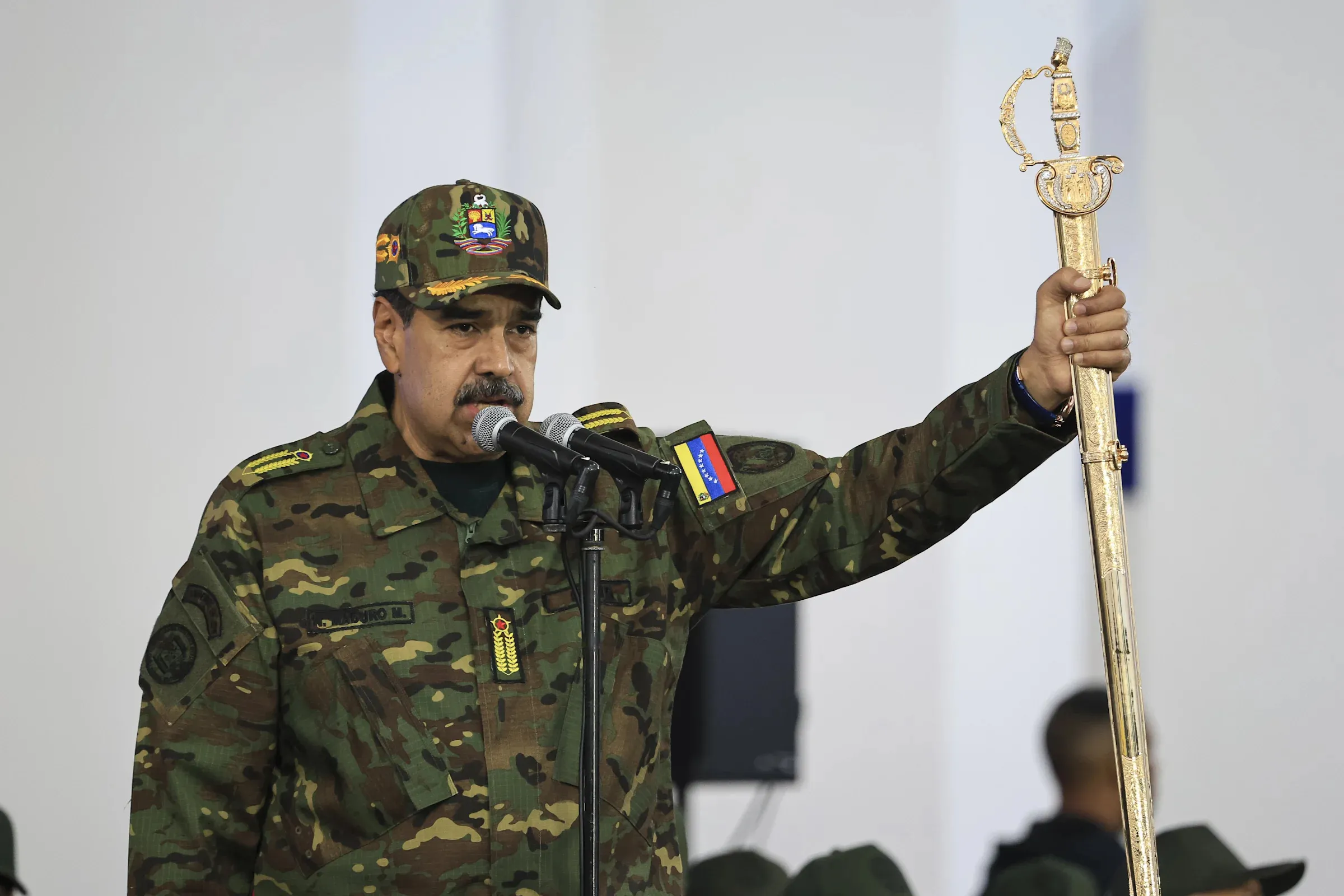
Since September, the United States has been conducting strikes on suspected drug-smuggling vessels near Venezuela, while simultaneously amassing a military presence in the Caribbean at a scale not seen since the Cold War. Relations between the two countries have long been adversarial, with Venezuela facing economic collapse, rising violence, and increasingly autocratic governance.
As a socialist nation, Venezuela has been a source of migration and alleged drug trafficking, placing it prominently on the Trump administration's strategic radar. While a full-scale invasion is improbable, a military campaign could involve targeted airstrikes and raids against Venezuelan drug networks or even governmental targets.
Since early fall, US forces have expanded in the Caribbean and conducted airstrikes on suspected drug vessels, fueling speculation about a potential broader military action. President Donald Trump recently stated that the airspace above and around Venezuela should be considered restricted, though no formal no-fly zone has been enforced. Trump also indicated imminent action against Venezuelan drug traffickers on land, which could extend to the government and military, given his labeling of President Nicolas Maduro as the head of a narcoterrorist cartel.
Reports indicate Trump urged Maduro over the phone to relinquish power for the safety of himself and his family. Additionally, a second strike authorized by Secretary of Defense Pete Hegseth targeted survivors of an earlier September 2 attack on a suspected drug boat, an action critics argue may violate international law.
Though Trump has not committed to full military intervention, he has signaled that Maduros rule is precarious. The current trajectory raises questions about the US militarys intentions in the Caribbean. Operation Southern Spear, initiated on September 2, has destroyed over 20 vessels in the Caribbean and Eastern Pacific, resulting in more than 80 deaths.
Simultaneously, the US has deployed a massive force including thousands of troops, drones, fighter jets, missile-equipped ships, and the aircraft carrier USS Gerald Ford. Special Operations helicopters have been active near Venezuelas coast, and covert CIA operations have reportedly been authorized.
The administration has labeled Venezuelas Cartel de los Soles as a terrorist organization, framing the state itself as complicit in criminal activity. This move positions the US to potentially justify military action without congressional approval.
Experts note that the USs Caribbean presence far exceeds what is needed for anti-narcotics operations alone, suggesting preparations for broader military engagement. The timing is critical, as aircraft carriers like the USS Gerald Ford are valuable assets that cannot remain idle.
Venezuelas opposition to US influence dates back to Hugo Chavez, and under Maduro, the country has suffered hyperinflation, widespread corruption, and mass migration. It has also become a major transit hub for cocaine bound for North America, Europe, and Africa. Earlier attempts at negotiation with Trump have given way to increased pressure for Maduros departure, influenced in part by Secretary of State Marco Rubio.
Despite credible concerns about the Venezuelan regimes corruption and human rights abuses, not all US claims are fully substantiated. Accusations linking Maduro personally to international drug trafficking, prison gangs, and fentanyl production are disputed, though they form part of the administrations justification for action.
A direct ground invasion is unlikely due to troop limitations. More probable is an air campaign using long-range missiles, strikes on drug infrastructure, military installations, or operations targeting regime officials. Historical precedent includes the 1989 Panama intervention that deposed Manuel Noriega.
Overthrowing Maduro carries risks, including potential internal conflict and a surge in refugee migration. Legal authority for unilateral action is contentious. Current US strikes on vessels have raised concerns under international law, particularly when survivors are denied the chance to surrender. The administration is reportedly seeking new legal opinions to justify potential land-based strikes in Venezuela without congressional approval.
The situation remains fluid, with high stakes and uncertain outcomes, reflecting a complex mix of strategic, political, and legal considerations.
Author: Sophia Brooks
Share

Video of Nigerian customs officer justifying feeding bandits is outdated
1 minutes ago 3 min read WORLD

Have We Finally Moved Beyond the "Jaws Effect?"
9 minutes ago 2 min read WORLD

The Royal Family's Best Photos from the German State Banquet at Windsor Castle
11 minutes ago 2 min read WORLD

Tragic Accident: 6-Year-Old Boy Fatally Struck by School Bus During Drop Off, Leaving Community Devastated
15 minutes ago 2 min read WORLD

Prince George remains unfazed by his future responsibilities as a future king — Source
17 minutes ago 2 min read WORLD

Flavio Bolsonaro announces candidacy for Brazil’s 2026 presidential election endorsed by his father
19 minutes ago 4 min read WORLD

Leader of Lithuanian governing party convicted for inciting hatred against Jews
21 minutes ago 2 min read WORLD

Putin promises Russia will take control of Donbas region by any means necessary, while Ukrainians gear up for new US peace negotiations
22 minutes ago 3 min read WORLD

Attracted by high-paying job opportunities, Kenyans demand the return of their sons sent to fight for Russia.
29 minutes ago 6 min read WORLD

3-Year-Old Ryker Webb's Life After Surviving 2 Days Alone in the Wilderness
30 minutes ago 3 min read WORLD