

Two ex-South African apartheid police officers found guilty of murdering an activist 38 years ago
- Last update: 3 hours ago
- 2 min read
- 943 Views
- WORLD
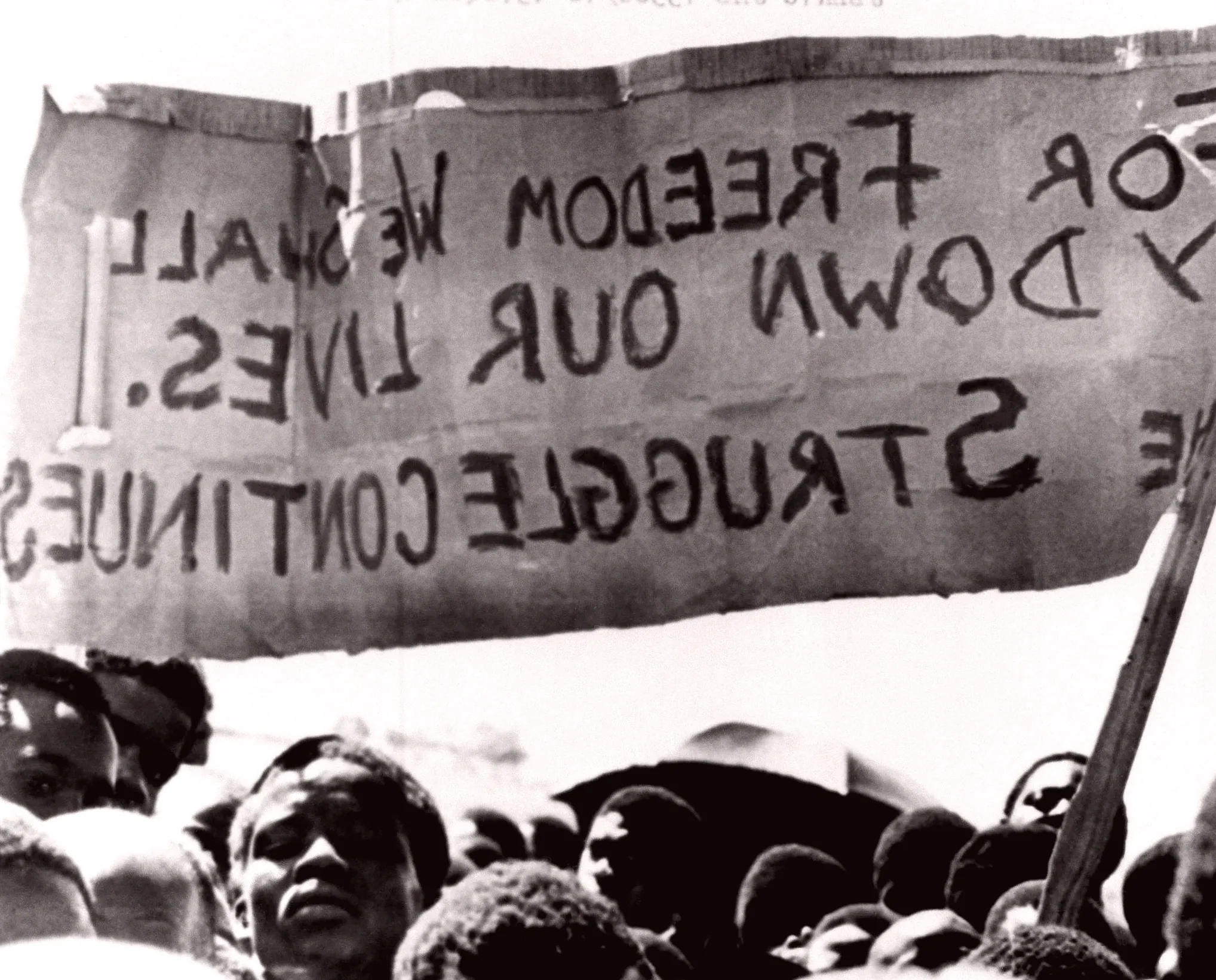
CAPE TOWN, South Africa In a landmark ruling, two former police officers from South Africas apartheid era were found guilty on Tuesday of murdering activist and student leader Caiphus Nyoka in 1987. The killing, which took place at Nyoka's family home near Johannesburg, remained unpunished for decades amid the white minority regime.
The convicted officers, Abraham Engelbrecht and Pieter Stander, both in their 60s, were judged guilty by the Gauteng High Court in Johannesburg. Sentencing will occur at a later date. A third officer who faced trial was acquitted.
The case was reopened after another former police officer publicly admitted to Nyoka's murder in 2019, over 30 years after the crime. Johan Marais, who served in a special police unit called the Reaction Unit, pleaded guilty and received a 15-year prison sentence in July.
According to court documents and a 1988 pathology report, Nyoka was shot at least 12 times when members of the Reaction Unit and the Special Branch raided his home before dawn. The pathologist determined that Nyoka was likely shot in the head, neck, and shoulder while sitting up in bed, and then repeatedly in the chest, arms, and hands after falling back. At the time, authorities ruled the shooting as self-defense, a common justification during apartheid to cover politically motivated killings.
Nyoka's murder was later reviewed in 1997 by South Africas Truth and Reconciliation Commission, established after apartheid ended in 1994 to investigate abuses and offer perpetrators the chance to seek amnesty. No one at the time admitted responsibility for the killing. The commission documented thousands of political killings, abductions, and cases of torture, recommending many for prosecution, though few were pursued.
Authorities have recently renewed efforts to investigate apartheid-era crimes amid public pressure. Earlier this year, a new inquest concluded that Albert Luthuli, ANC leader, was beaten to death in 1967, contradicting an earlier apartheid-era finding that he died after a train accident. Plans are also underway to investigate the 1977 death of anti-apartheid icon Steve Biko in police custody, a case that previously drew global condemnation.
Additional inquiries are being considered to determine whether post-apartheid governments may have obstructed investigations into such killings, as claimed by some victims families.
Author: Caleb Jennings
Share

Expansion of Fáilte Ireland presents a 'fantastic opportunity' for Northern Ireland
44 seconds ago 3 min read WORLD

Homeless people 'would starve' without charity
3 minutes ago 3 min read WORLD

Having a mentor helps me stay away from trouble.
5 minutes ago 2 min read WORLD

Van Dwellers Say There's Nowhere for Them to Go
6 minutes ago 2 min read WORLD

Significant increase in vacant homes is deemed 'a disaster'
6 minutes ago 2 min read WORLD
'I fled Syria like a fugitive, and returned as a hero'
6 minutes ago 3 min read WORLD
'Relieved yet exasperated' as our road finally reopens after 20 months
7 minutes ago 2 min read WORLD
Israeli army reportedly kills three people in Gaza, according to Palestinian sources
10 minutes ago 1 min read WORLD

Israel confirms receipt of "findings" from Palestinian militants in Gaza through Red Cross transfer
11 minutes ago 1 min read WORLD

'Theft of Christmas tree reminded me of the Grinch'
18 minutes ago 1 min read WORLD