

Trump's Strategy Paper Brings Back the Monroe Doctrine from the 19th Century
- Last update: 7 hours ago
- 2 min read
- 368 Views
- WORLD
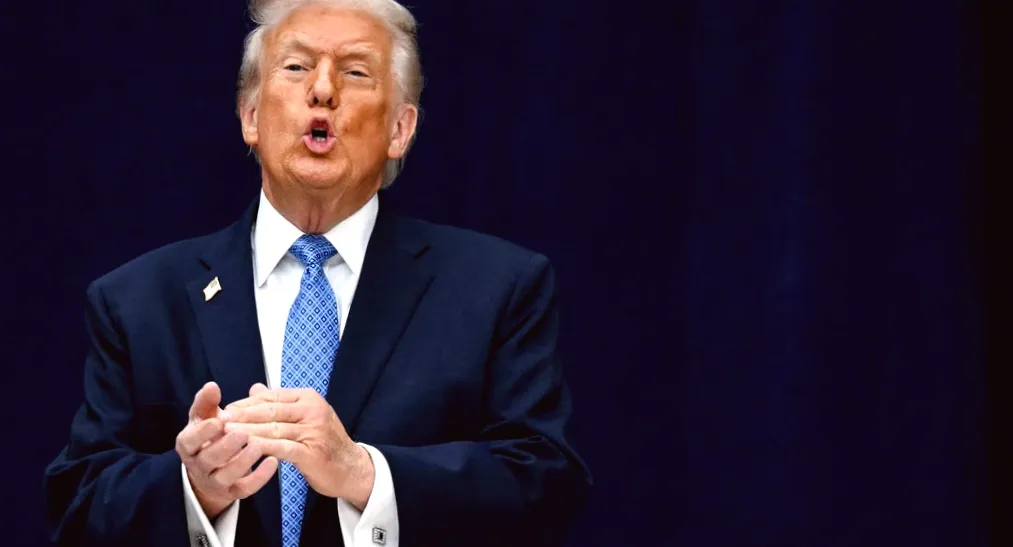
WASHINGTON, Dec 5 The United States plans to reassert its influence across the Western Hemisphere, expand military capabilities in the Indo-Pacific, and potentially reassess its ties with Europe, according to a comprehensive strategy document released on Friday by President Donald Trump. The National Security Strategy outlines Trumps vision of flexible realism and calls for a revival of the 19th century Monroe Doctrine, positioning the Western Hemisphere firmly within U.S. influence. The report also warns that Europe risks civilizational erasure if it does not adjust its current path.
The document represents Trumps most explicit plan yet to challenge the post-World War Two international order, built on alliances and multilateral frameworks, and to redefine it through an America First perspective. It describes Trumps foreign policy as pragmatic, realistic, principled, and strategically assertive, emphasizing outcomes that benefit the United States.
The strategy prioritizes restoring American preeminence in the Western Hemisphere, designating the region as a top foreign policy concern. Termed the Trump Corollary to the Monroe Doctrine, the approach signals a sustained U.S. military presence, rather than a temporary surge, in the Americas. Recent deployments include over 10,000 troops, an aircraft carrier, warships, and fighter jets across the Caribbean, alongside threats of operations targeting drug cartels in countries such as Venezuela.
Trumps policy also addresses the growing influence of China in Latin America, aiming to counter Beijings economic expansion. In Asia, the strategy emphasizes deterring potential conflicts with China over Taiwan and the South China Sea by maintaining U.S. and allied military superiority.
Regarding Europe, the strategy expresses deep concern about its traditional allies, warning that the continent could face civilizational erasure and urging reforms to remain reliable partners. The document anticipates demographic changes in some NATO countries and promotes the restoration of a Western identity. It also suggests that the United States seeks a swift resolution in Ukraine and aims to re-establish strategic stability with Russia, while expecting European allies to assume a larger share of NATOs conventional defense responsibilities.
Experts have interpreted the strategy as signaling clear winners and losers under Trumps foreign policy priorities, with the Western Hemisphere and possibly the Pacific gaining focus, while Europe may see reduced attention. The plan underlines Trumps pattern of unconventional foreign policy approaches, making the translation of these strategic guidelines into concrete actions uncertain.
Author: Noah Whitman
Share

Hegseth claims Monroe Doctrine is 'stronger than ever' with Trump's Corollary
2 hours ago 3 min read POLITICS

Trump's Latest Security Strategy Criticized as 'Extreme Right-Wing Publication'
7 hours ago 4 min read POLITICS

'We must stay united': Top EU diplomat supports partnership with US
12 hours ago 2 min read WORLD
Trump's policy document warns of Europe facing 'civilizational erasure' and seeks to prevent endless wars in the Middle East.
12 hours ago 3 min read POLITICS

Trump Administration Raises Concerns About Decreasing White Population in Europe
1 days ago 2 min read POLITICS
Trump reasserts dominance in the Western Hemisphere: Monroe Doctrine updated for the 21st century
1 days ago 5 min read POLITICS
Europe's Future Unrecognizable in 20 Years Due to Immigration, According to White House Strategy Document
1 days ago 5 min read POLITICS
Trump targets Europe in new security strategy
1 days ago 2 min read POLITICS

5 important points from Trump's latest national security strategy
1 days ago 3 min read POLITICS
Trump alerts about danger to western ‘culture’ from large-scale migration in new security strategy: ‘Disruptive population movements’
1 days ago 2 min read POLITICS