
The role of 'citizen scientists' in bringing back red squirrels to Aberdeen
- Last update: 2 hours ago
- 4 min read
- 960 Views
- WORLD
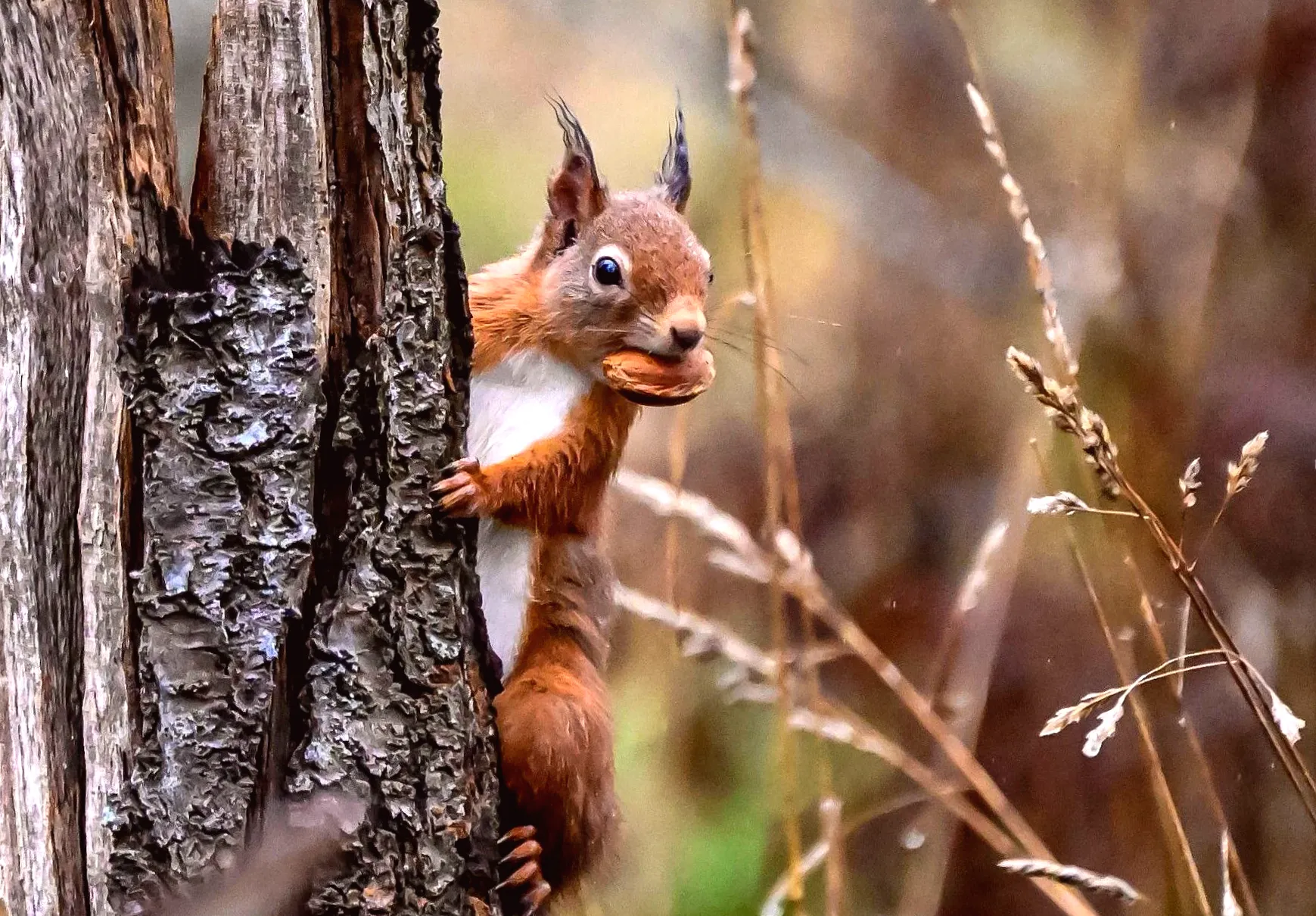
In 2009, red squirrels were nearly absent in Aberdeen, with grey squirrels dominating the city's parks and trees. Fast forward to today, and the red squirrel population is flourishing, thanks to the dedication of local volunteers and their "citizen science" efforts. It is believed that the invasive grey squirrels have been nearly eradicated from the area, and signs of red squirrel activity are now appearing just yards away from Aberdeen's main streets.
This remarkable turnaround is considered a significant achievement for Saving Scotland's Red Squirrels (SSRS), a project led by the Scottish Wildlife Trust (SWT). The initiative has been working tirelessly for the past 16 years to protect the species. Naomi Bentley, SSRSs North East Community Co-ordinator and Outreach Officer, has been at the forefront of the project. A former primary school teacher, Bentley has had a passion for conservation since childhood. She shared that more than 30 volunteers are currently gathering data in the Aberdeen area, spanning various ages, from children to retirees. Thanks to their hard work, the team is approaching "full eradication" of the non-native grey squirrels, while the red squirrel population continues to thrive.
"Were down to just a few grey squirrels now," Bentley said. "It's thanks to our volunteers that we have such widespread coverageit's truly a testament to people's love for nature and citizen science."
The grey squirrel, originally from North America, competes aggressively with the native red squirrel for food and space. Some grey squirrels carry a pox virus, which is fatal to red squirrels. In addition to displacing reds, grey squirrels cause significant harm to woodlands by stripping tree bark.
As red squirrels began disappearing from Aberdeen, concerns grew about their complete extinction. When the project started in 2009, it took nearly two years before a red squirrel was officially sighted in the city, illustrating just how rare they had become.
The project used live traps and humane methods to control the grey squirrel population, which allowed the native reds to recover. Experts believe that without the project, the red squirrel population in Aberdeen would have been wiped out, and grey squirrels would have spread throughout the region.
One key method for tracking squirrel populations is through the use of feeder boxes, equipped with sticky tape or pads to collect hair samples from animals that enter. Data from the SSRS indicates that no grey squirrel samples were collected from these boxes in Aberdeen during the period from July 1 to September 30. In contrast, over 1,500 red squirrel samples were recorded during this same timeframe, and more than 900 additional red samples have been confirmed since October.
Mapping from 2021 to 2024 shows a significant increase in the red squirrel population, while grey squirrels have nearly disappeared. Recently, for the first time, red squirrel hairs were found on a feeder box located just off Union Street, Aberdeen's main thoroughfare.
Joel Sangster, 23, has been volunteering with the project for the past two years. A conservation student, he describes the experience as "fantastic." "When you tell people what you're doing, they get so excited," he said. "It's an opportunity to connect with nature and help restore it to its natural state."
Another volunteer, Seshadri, surveys boxes with his daughters, Vani, 15, and Avni, 8. Despite the less glamorous taskssuch as dealing with slugs, snails, and cleaning the boxeshe finds the work fulfilling. "It's about restoring nature, and were definitely seeing more red squirrels now," he said.
Vani, who initially joined to fulfill the Bronze Duke of Edinburgh award, has continued volunteering with her family. Her younger sister, Avni, who is described by her father as "my little helper," got involved out of curiosity. "It's great to see how much the squirrels are coming back," said Avni.
The team in Aberdeen now hopes that their efforts will ensure the red squirrels remain a permanent presence in the city.
Author: Caleb Jennings