

The Kremlin receives a gift in the form of the EU's top diplomat
- Last update: 1 hours ago
- 3 min read
- 830 Views
- WORLD
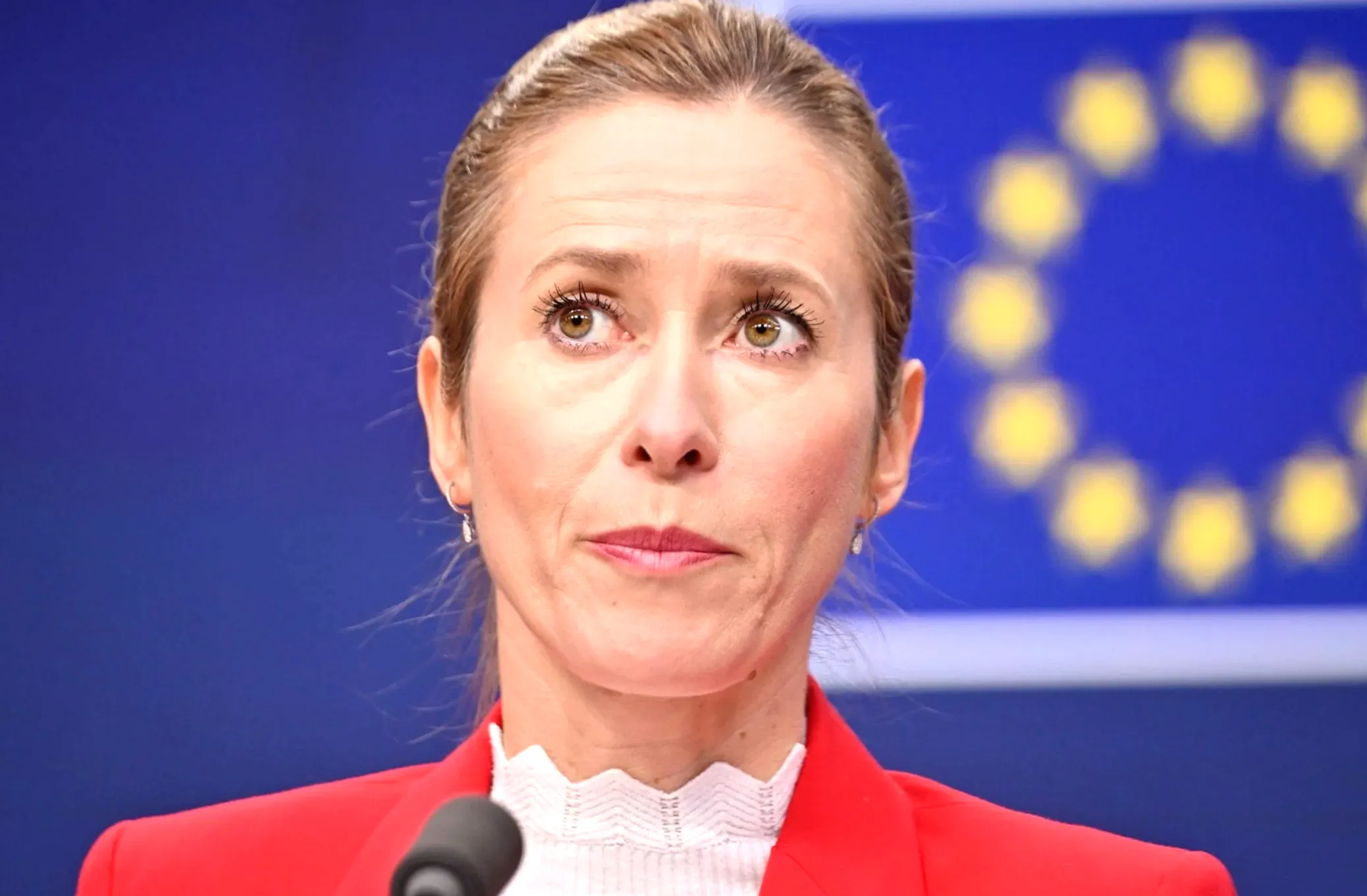
Kaja Kallas, the European Unions chief foreign affairs official, understands the dangers of a divided Western alliance for Ukraines future. Russia thrives on seeing the US and Europe at odds, she cautioned earlier this year. We must not allow that. Yet, as serious negotiations for a lasting peace begin, the United States and Europe appear more divided than ever, largely due to Europes reluctance to confront reality.
While Kallas and other European leaders debate internally, removing the most difficult aspects of Trumps 28-point peace proposal, the actual talks are proceeding between Moscow, Washington, and Beijing. Europe remains absent from discussions that will shape the continents future security framework. Instead of pragmatic diplomacy, Kallas and her peers have prioritized ideological consistency over engaging with Russia directly.
Europes response to Trumps plan emphasizes support for a just and lasting peace and aims to strengthen Ukraine while weakening Russia. While appealing in theory, strengthening Ukraine requires resources: money, weapons, and a steady supply of motivated Ukrainian fighters. Yet EU member states have shown hesitation in providing additional funds to cover Kyivs 60 billion deficit. Leaders such as Viktor Orbn resist further EU funding, while emerging right-wing governments in Slovakia, Czechia, and Austria align with Ukraine skeptics. Even Italys Giorgia Meloni, a pro-Ukraine advocate, has delayed a vote on a new arms package amid ongoing peace talks.
Kallass proposed solution has been a 140 billion loan using frozen Russian assets in Belgium. EU Commission President Ursula von der Leyen even suggested invoking emergency powers to overcome member opposition. However, both the European Central Bank and the IMF declared such a loan illegal, while Belgiums Prime Minister Bart De Wever bluntly called the notion of defeating Russia in Ukraine a complete illusion.
Throughout her career, both as Estonias prime minister and now as Europes foreign minister, Kallas has championed a hardline approach toward Russia. She frames Russia as pursuing long-term aggression and posing an existential threat to Europe, claiming it has invaded at least 19 countries without provocation. Yet ignoring the historical context of Hitlers 1941 invasion of the USSR oversimplifies the strategic mindset that continues to drive the Kremlin today. Kallas has even suggested partitioning Russia into smaller states, directly feeding Moscows narrative of a Western existential threat.
The critical question remains whether Kallass uncompromising stance benefits Ukraine. Her insistence on refusing dialogue with Putin and prioritizing justice over peace has sidelined Europe from key negotiations. The rigidity of Kallas and other hawks has resulted in the very Western disunity she initially warned against.
Washington is also growing frustrated. A recent US national security strategy emphasizes ending the Ukraine conflict through negotiation, urges NATO to halt expansion, and calls on Europe to take full responsibility for its defense. The US criticizes EU governments for slowing peace efforts and views the rise of patriotic, right-wing European parties as a positive development.
Within Ukraine, concern is rising over Kallass insistence on total victory without a viable plan or sufficient funding. Former presidential press secretary Iuliia Mendel warned that those opposing peace proposals may be misjudging conditions on the ground. Many Ukrainians, exhausted by war, may prefer a flawed peace over prolonged conflict.
While Kallass vigilance against the Kremlin and desire for justice and reparations resonate with many, these goals remain largely unattainable. Europe continues to pay Russia more for energy than it sends to support Kyiv. The era for ideological posturing is over, and pragmatic solutions are urgently needed.
Author: Jackson Miller
Share

Ukraine and US to hold third day of talks, acknowledge 'real progress' hinges on Russia
4 hours ago 3 min read WORLD

American and Ukrainian officials to meet again on Saturday to discuss peace plan
8 hours ago 4 min read WORLD
Ukraine and US plan third day meeting, acknowledge 'real progress' hinges on Russia
8 hours ago 3 min read WORLD
Putin warns Ukraine to pull out of Donbas or be expelled
20 hours ago 3 min read WORLD
Opinion - Putin will continue until he is compelled to stop
1 days ago 3 min read WORLD
Putin Causes Further Embarrassment for Trump as Peace Talks Fail
2 days ago 3 min read POLITICS
Russia claims that military victories are increasing its leverage in negotiations with Ukraine.
2 days ago 3 min read WORLD
Belgium calls on Europe to abandon plan to freeze Russian assets in support of Ukraine
2 days ago 3 min read WORLD
Europeans doubt Putin's sincerity in seeking peace following discussions with US representatives
3 days ago 3 min read WORLD
Putin: We are prepared for conflict with Europe.
3 days ago 4 min read WORLD