

Progress in recovering endangered species shown by discovery of new jaguar in Arizona
- Last update: 2 days ago
- 2 min read
- 476 Views
- WORLD
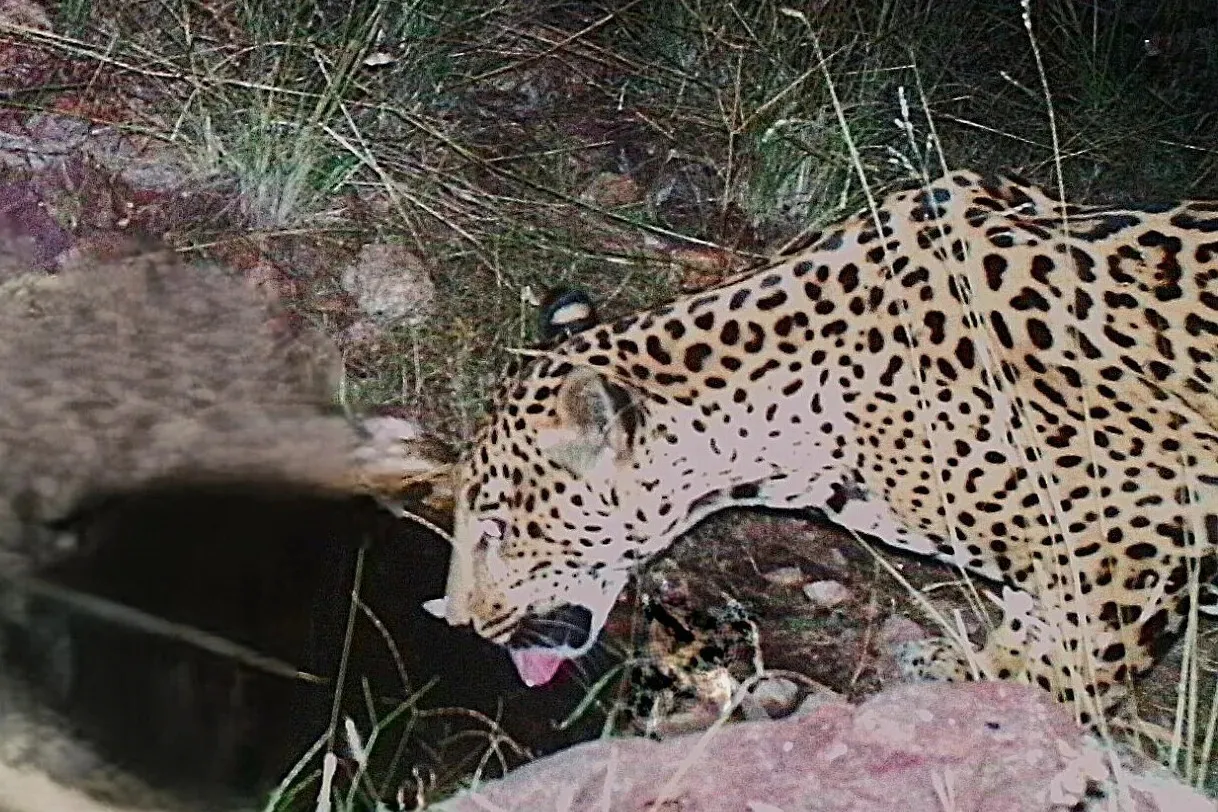
The jaguars unique rosette pattern revealed its identity. Much like a human fingerprint, each jaguars spots are one-of-a-kind, allowing researchers to recognize a new individual after reviewing photos from a remote camera in southern Arizona.
According to the University of Arizonas Wild Cat Research and Conservation Center, this is the fifth large cat documented in the region over the past 15 years after crossing from Mexico into the U.S. The camera captured the animal at a watering hole in November, with its distinct markings distinguishing it from prior sightings.
Were thrilled, said Susan Malusa, director of the centers jaguar and ocelot project. This shows that this peripheral jaguar population continues to visit the area because they are finding what they need.
Researchers are now gathering scat samples to conduct genetic analysis, aiming to determine the jaguars sex and dietary habits, which can include skunks, javelina, and small deer. As an indicator species, the presence of these big cats reflects the overall health of the ecosystem. However, Malusa highlighted that climate change and border barriers pose risks to migratory routes.
Rising temperatures and severe drought make it increasingly important to maintain connections between jaguars and their historic Arizona range. Over 99% of jaguars live in Central and South America, and the few males spotted in the U.S. are thought to have dispersed from Mexican populations. There has been no documented jaguar breeding in the U.S. for over a century.
Primary threats to the species include habitat loss, fragmentation, and illegal hunting for trophies and trade. In 2024, the U.S. Fish and Wildlife Service revised protected habitat areas for jaguars following legal challenges, reducing the zone to roughly 1,000 square miles (2,590 square kilometers) across Pima, Santa Cruz, and Cochise counties in Arizona.
Detection records suggest that jaguars appear in the region every few years, often linked to water availability. When resources are abundant, the cats move less. Jaguar #5, for instance, returned to the site multiple times over ten days, an unusual behavior for these typically elusive animals.
The key message is that this species is recovering, Malusa emphasized. It shows that there is still an opportunity to protect these corridors and support their continued return.
Author: Olivia Parker
Share

Suspect apprehended for involvement in stabbing incident
1 minutes ago 1 min read WORLD

Eighteen individuals detained for causing injuries with smoke bombs and fireworks at Tel Aviv derby
1 minutes ago 2 min read WORLD

This Day in History: Japan's Attack on Pearl Harbor
4 minutes ago 3 min read WORLD
Taliban rulers of Afghanistan conduct public execution at sports stadium in eastern city
6 minutes ago 2 min read WORLD

Christmas festivities come back to Bethlehem following 2 years of conflict in Gaza
7 minutes ago 3 min read WORLD

Ukraine launches unprecedented attacks on Russian energy facilities
8 minutes ago 1 min read WORLD

Expansion of Fáilte Ireland presents a 'fantastic opportunity' for Northern Ireland
11 minutes ago 3 min read WORLD

Homeless people 'would starve' without charity
14 minutes ago 3 min read WORLD

Having a mentor helps me stay away from trouble.
16 minutes ago 2 min read WORLD

Van Dwellers Say There's Nowhere for Them to Go
17 minutes ago 2 min read WORLD