

Pokrovsk: The city that altered the course of the war in Ukraine
- Last update: 4 hours ago
- 3 min read
- 269 Views
- WORLD
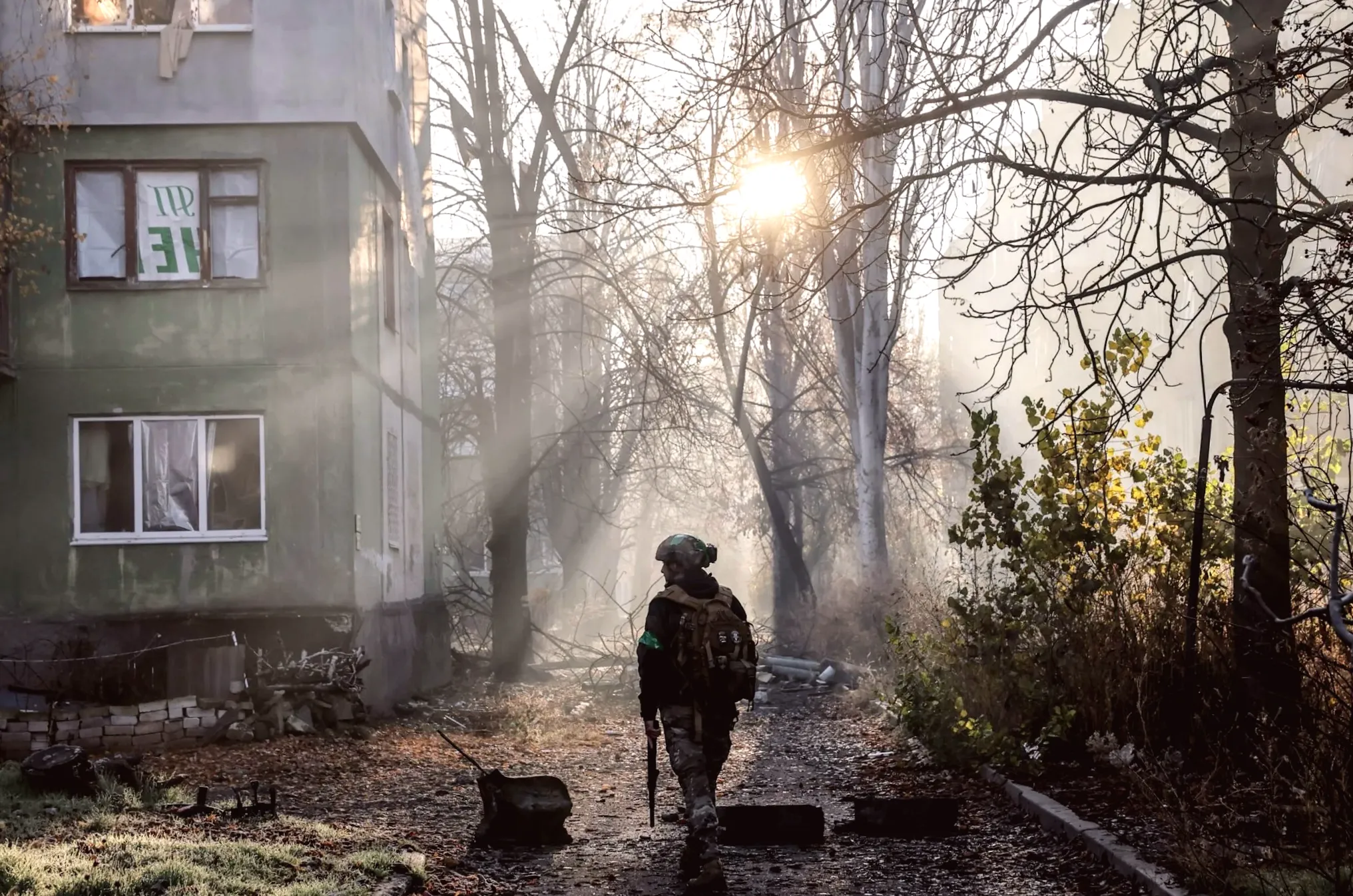
Soldiers moving through the streets of Pokrovsk now often encounter units nearly identical to their own. Blue armbands, familiar equipment, even casual greetings can mask a dangerous reality: Russian infiltrators blend seamlessly with Ukrainian forces. We walked right past them, says Ivan, a 21-year-old machine gunner with the Da Vinci Wolves unmanned systems unit. They looked exactly like us.
Within Pokrovsk, traditional urban frontlines have dissolved. In their place lies a fog of fear and uncertainty, where small groups of Russian operatives mix with Ukrainian defenders. These infiltrators move through the city disguised in civilian clothes or on bicycles, while drones dominate the skies. Ukrainian forces have adapted, employing Shibbolethsspecific code-words designed to expose outsiders who cannot pronounce them.
Moscow claims to have seized Pokrovsk after 18 months of fighting, though Kyiv denies this. Analysts warn that the citys fall may only be a matter of time, as the nature of urban combat evolves. Emil Kastehelmi, an expert at Finlands Black Bird Group, describes the de-mechanisation of warfare: massed tanks and infantry, once used to encircle cities like Bakhmut, are now vulnerable to drones and precision strikes.
Russian Infiltration Tactics
Instead of large formations, Russian forces now advance in small groups of three to five. Reconnaissance drones scout Ukrainian defensive gaps, and these teams slip in quietly. Our positions are patchy, says Navigator, chief of staff of the Dovbush Hornets battalion. Theres just enough space for a cyclist to pass between them.
Weather conditions exacerbate the problem. Clear days limit infiltrators to around ten, but rain or fog allows many more to penetrate the city. Drone pilot Ivan describes fog as a blanket of white that obscures vision, enabling enemy forces to advance openly on motorbikes and trucks. By late November, Ukrainian authorities estimated at least 300 infiltrators had entered Pokrovsk.
Life for these infiltrators is perilous. Navigator notes that Ukrainian forces neutralize many of them, though not all. Once entrenched, the Russians use drones, gunfire, and communication to coordinate further attacks, expanding a grey zone outside full control of either side. Trusted mapping services indicate Moscow holds significant portions of the city, particularly in the southeast, while other areas remain contested.
Chaos and Civilian Risk
Identifying friend from foe is a daily challenge. Ivan recounts incidents where units almost engaged their own vehicles or misidentified allies. Communication errors in the field have nearly led to disaster, with some unmanned vehicles destroyed by friendly fire. To reduce casualties, Ukrainian commanders sometimes report positions as controlled, even if they are only partially defended, avoiding futile counterattacks.
Supplies are increasingly difficult to deliver due to drone and glide-bomb attacks, forcing reliance on unmanned ground vehicles (UGVs). These Termite UGVs, however, have limited capacity and durability. As Russian infiltrators push deeper, Ukrainian drone pilotscrucial for spotting small enemy unitshave become prime targets, prompting their redeployment and limiting defensive strike capabilities.
Counter-Offensives and Strategic Implications
Ukraine has deployed elite units to flush out infiltrators, including the Azov National Guard and GUR intelligence forces. Despite these efforts, gradual Russian advances continue. Strategically, Pokrovsk remains important as a potential base for future Russian operations toward Kramatorsk and Sloviansk, key strongholds in Donbas.
However, infiltration tactics are slow-moving, preventing major breakthroughs. Analysts emphasize that Russian forces must first capture surrounding towns before reaching larger objectives. Kastehelmi predicts ongoing, drawn-out combat in Pokrovsk, mirroring other areas of the front. While slow, these tactics are difficult to halt, making Pokrovsk a focal point in the evolving landscape of modern urban warfare.
Author: Natalie Monroe
Share

Zelensky informs about fresh Russian assaults on civilian infrastructure
22 minutes ago 2 min read WORLD
Exclusive aerial footage reveals Ukrainian town surrounded by Russian forces
1 hours ago 3 min read WORLD
Russia launches extensive drone and missile assault on Ukraine amidst ongoing diplomatic negotiations
2 hours ago 3 min read WORLD

Ukrainian Women Embrace Combat Roles in Response to Technological Changes on the Battlefield
6 hours ago 4 min read WORLD

1,327 days: Loved ones long for OSCE employees held in Russia
11 hours ago 4 min read WORLD

France implements anti-drone measures following unauthorized flight over nuclear submarine base
20 hours ago 2 min read WORLD

First Russian MiG-29 Reportedly Destroyed in Ukraine, But There Could Be More to the Story
1 days ago 3 min read POLITICS
Mapped: The lethal shadow war of assassinations between Russia and Ukraine
1 days ago 4 min read WORLD

AI-generated video shows Indian soldier deceived into fighting for Russia
2 days ago 2 min read WORLD
Ukrainian soldiers skeptical that proposed agreement will bring lasting peace after years of war
3 days ago 3 min read WORLD