

Kidnapping concerns test family relationships in Nigeria
- Last update: 25 minutes ago
- 3 min read
- 564 Views
- WORLD
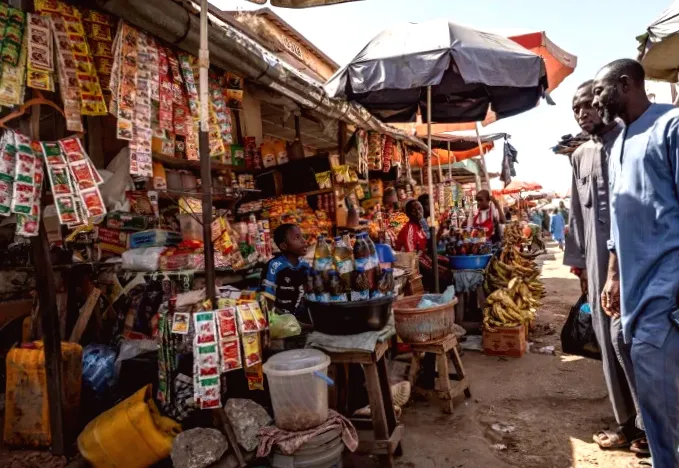
Abubakar Abdullahi has been separated from his wife and five children for nearly three months, avoiding trips to his hometown due to the threat of kidnappings by criminal gangs operating in rural Nigeria. He remains in Minna, the capital of Niger State, where he works as a civil servant, maintaining contact with his family in Kontagora, roughly 200 kilometers (125 miles) away, only through phone calls and electronic money transfers.
Kontagora lies midway to Papiri, the site of a recent mass abduction of over 300 schoolchildren, one of the largest kidnappings in the nations history. Abdullahi, 45, shared his fears, saying, "I'm too scared to visit my family because of kidnappers," and described sending financial support remotely while enduring trauma from his elder brother's 2022 kidnapping, which lasted three months until a 50 million naira ($35,000) ransom was paid.
This fear is widespread among Minna residents, many of whom are now isolated from their rural families due to the ongoing security risks. Mamman Alassan has not returned to his village in Shiroro district in three years, noting that visits are too dangerous and social interactions have sharply declined.
Niger State, with a mixed Muslim and Christian population, has seen religiously and culturally diverse communities kept apart by insecurity. "The current security situation has made people stop going to see their people in the villages," said James David Gaza, a Catholic priest, highlighting the erosion of social ties.
In preparation for the Christmas season, many Nigerian families, including those in Minna, will rely on phone calls and money transfers instead of in-person gatherings. Isyaku Ibrahim Gada, a perfumer, noted that weddings, funerals, and naming ceremonies in rural areas have significantly decreased due to the persistent threats.
Niger is one of several central and northwestern states plagued by "bandits"criminal gangs that raid villages, abduct residents, and burn homes. These gangs often use networks of local informants to track potential victims, believing city dwellers possess money. Once abducted, victims are rarely freed without ransom, and those whose families cannot pay may be killed.
Many, like Isah Usman, 52, have stopped visiting their hometowns, limiting contact to calls and financial assistance. Arrests of suspected bandit informants have done little to alleviate this fear.
Business and social life have also suffered. Ifeoma Onyejekwe, a trader from eastern Nigeria, described a quiet Christmas season as her rural customers, once considered close relations, no longer visit and she cannot safely deliver goods to them. "They are afraid to come in and we are afraid to go and meet them," she said, noting that relationships that once felt close are now distant.
Author: Natalie Monroe
Share

Strong emotions and optimism remain following school abduction in Nigeria
21 hours ago 3 min read WORLD

Report: Al-Assad's close associates are planning uprisings in Syria from their exile in Russia
23 hours ago 3 min read WORLD

Nigeria affected by repercussions from the US
1 days ago 2 min read POLITICS

Reasons why Somali migrants might still target the US despite limitations on travel
1 days ago 3 min read WORLD

Reasons Somali migrants might still target the US despite travel restrictions
1 days ago 3 min read WORLD

Palestinian-American teenager freed after 9 months in Israeli jail
2 days ago 2 min read WORLD

Nigeria's defense minister steps down due to escalating violence
4 days ago 1 min read WORLD

Nigeria's Defence Minister Steps Down Amid Kidnapping Crisis
4 days ago 2 min read WORLD

Defence Minister of Nigeria resigns due to security crisis, announces presidency
4 days ago 2 min read WORLD

Pastor and his new wife kidnapped in recent Nigeria assaults
5 days ago 2 min read WORLD