

Experts surprised as population of rare predators exceeds 200 for the first time in 80 years: 'They are determined to stay'
- Last update: 2 days ago
- 2 min read
- 405 Views
- WORLD
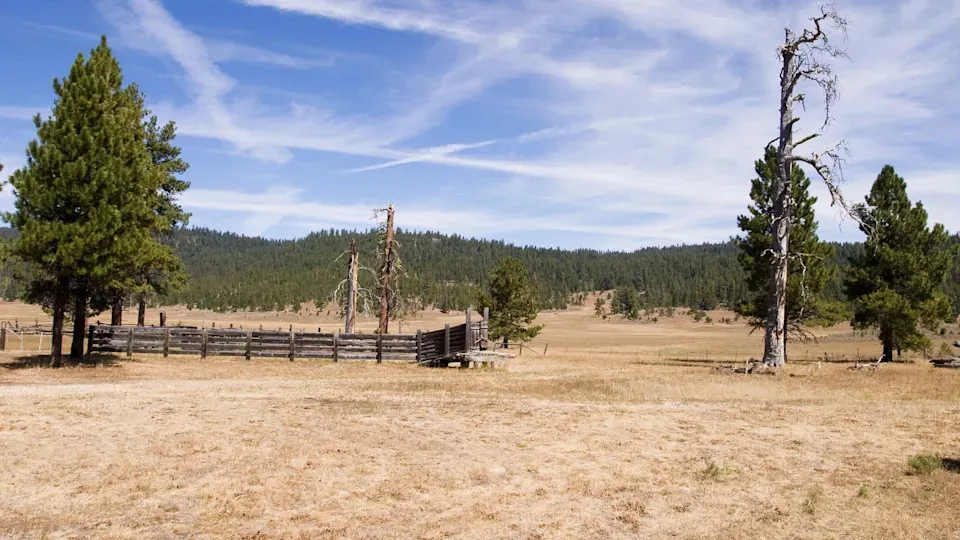
Oregon has recently seen a remarkable rebound in a once-endangered species. According to a report from the Oregon Department of Fish and Wildlife, the states wolf population grew from 178 to 204 over the past year, marking a significant milestone.
This 15% increase is the first time in 80 years that the number of gray wolves in Oregon has exceeded 200. Historically, these wolves were widespread across Oregon and the West Coast, but a 19th-century extermination effort by ranchers nearly wiped them out by 1950. Wolves did not return to Oregon until 1999, when a solitary individual was spotted, and their numbers have been gradually rising ever since.
Susan Prince, co-founder of the Wolf Welcome Committee in Sisters, Oregon, emphasized the ecological importance of this recovery. She explained that the growing wolf population reflects a healthy environment, especially in areas like Metolius where extensive natural habitats exist. "These wolves are coming back on their own and are trying to establish themselves," Prince noted.
Aaron Bott, a wolf biologist with the Oregon Department of Fish and Wildlife, described the methods used to track the population, including radio collars, trail cameras, aerial surveys, and track counts. He emphasized that the official figure represents a conservative estimate, based only on verified sightings.
Despite the encouraging growth, the increase in wolves has sparked concerns among some local residents about livestock safety, as predation can impact cattle and sheep health. Federal protections under the Endangered Species Act govern decisions about wolf management in certain areas.
Bott highlighted that the overarching goal is not only to increase numbers but to maintain a genetically diverse and sustainable population across Oregon. "Successful recovery depends on creating a resilient wolf population while balancing coexistence with human activity," he said.
Author: Benjamin Carter
Share

Experts surprised as population of rare predators exceeds 200 for the first time in 80 years: 'They are determined to stay'
2 days ago 2 min read WORLD
Conservation group plans to sue federal government for absence of national wolf recovery plan
4 days ago 3 min read WORLD

Wolves attack in India result in deaths of 9 people, mostly children
5 days ago 2 min read WORLD