

NIH continues funding new cat experiments despite promise to reduce them, watchdog finds
- Last update: 58 minutes ago
- 3 min read
- 711 Views
- US
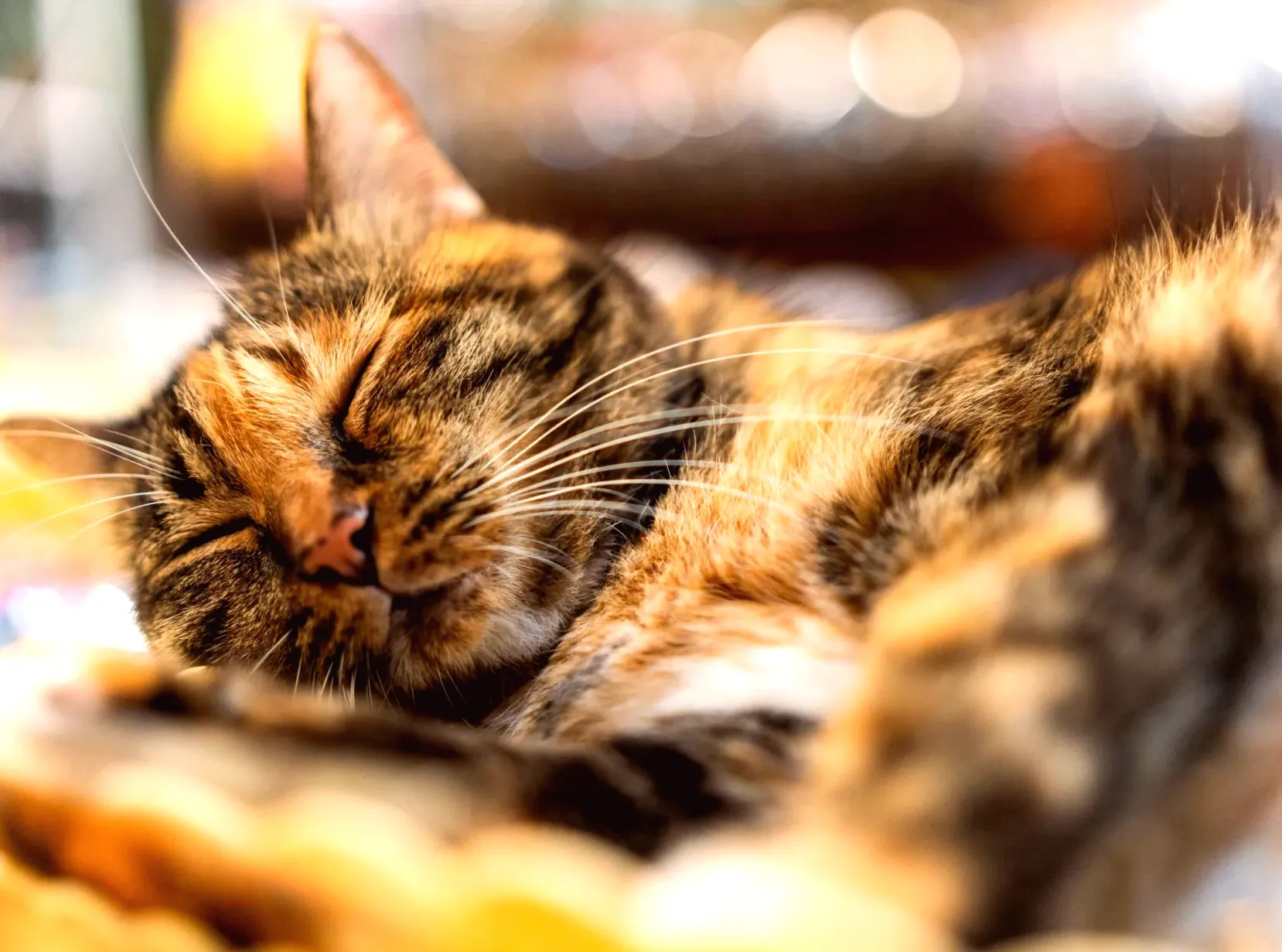
The National Institutes of Health continues issuing fresh grants for laboratory experiments on cats, even after senior leadership publicly stated they are working to eliminate the use of cats and dogs in research.
In July, during a recorded discussion, acting deputy director Dr. Nicole Kleinstreuer expressed that she does not believe cats or dogs should be used in NIH-funded studies and emphasized that a phase-out was underway. She also noted that current legal constraints require previously approved awards to remain active.
Recently released findings from watchdog organization White Coat Waste reveal that more than $1.7 million in new and renewed funding has been allocated since those remarks, directly supporting projects involving cats.
Among the newly issued grants is $486,000 for post-stroke brain blood flow research. The protocol involves removing skull sections from sixty kittens, administering viral injections, inducing paralysis and strokes, conducting imaging, and then euthanizing the animals.
A separate award of $439,000 supports glaucoma gene therapy development. In that study, three-month-old kittens bred with inherited glaucoma are injected with viruses in their eyes, immobilized for examination, euthanized, and dissected.
White Coat Waste says the new expenditures contradict NIHs statement opposing cat experiments and disputes the claim that the agency is legally unable to end ongoing animal projects. The group points to NIH policy language clarifying that the agency is not obligated to continue funding beyond the current budget period.
Since July, seven cat research programs have been renewed, totalling nearly $572,000. Over their lifetime, these projects have received approximately $38 million.
Extended studies include spinal cord injury research in which thirty cats undergo spinal cord severing and are made to walk on treadmills to record limb movement. Another early-stage gene therapy test uses kittens bred with neurological disease; they receive injections into spinal fluid and are euthanized when symptoms become too severe.
The watchdog group is urging the agency to end all active cat-related grants and bar any additional ones. A senior representative accused the agency of misrepresentation and called for federal intervention.
An NIH spokesperson responded that Dr. Kleinstreuers statements represented her personal ethical stance. The agency says it is reviewing its dog and cat research portfolio and has updated policies that encourage transitioning to alternatives that do not involve animals.
The NIH remains the largest global public funder of biomedical research, spending roughly $20 billion annually on studies involving animals. Each year, millions of animals are used in U.S. laboratories, including tens of thousands of cats, dogs, primates, and birds, alongside large numbers of rodents.
Earlier this year, the agency announced it would prioritize human-based science such as organ-on-chip systems, predictive computer modeling, and clinical data, asserting that these methods may provide more accurate results. Funding for exclusively animal-based projects has been discontinued under the updated policy.
This shift aligns with expanding federal actions aimed at reducing animal use in testing. Legislative and regulatory reforms have removed certain mandatory animal testing steps, and multiple federal departments have already phased out studies on cats and dogs. By mid-2024, the Department of Veterans Affairs had fully ended such testing.
Following revelations involving naval research on cats, the navy also halted its cat and dog use. Additional directives have been issued by other federal entities to scale back primate involvement.
In 2025, lawmakers introduced the PAAW Act, which would prohibit NIH-funded research causing significant pain or distress to cats or dogs. Supporters argue that available alternatives make the continued use of pets in invasive experiments unnecessary and that taxpayer funds should not support these practices.
Author: Lucas Grant
Share
Winter weather alerts will affect 18 million people in the West and Midwest.
36 seconds ago 2 min read US

Veteran shocked by owner's sentence after stopping XL bully attack
10 minutes ago 2 min read US

Suspect connected to long-standing unsolved murder
12 minutes ago 3 min read US

Dog walker injured in park attack late at night
14 minutes ago 1 min read US

First lawsuits to be initiated on Wednesday following fatal UPS plane crash
18 minutes ago 2 min read US

Spotify Wrapped has arrived! How to discover yours and what's new in 2025
22 minutes ago 2 min read US

Man Accused of Abandoning Girlfriend to Freeze to Death on Austria's Highest Mountain Caught on Webcam
22 minutes ago 2 min read US

Some argue for increasing single-cell units in California prisons
23 minutes ago 3 min read US

Relatives accused in killing of pregnant woman in Michigan
44 minutes ago 2 min read US

Alaska shaken by powerful 7 magnitude earthquake
55 minutes ago 1 min read US