
Florida starts first black bear hunt in ten years, despite opposition
- Last update: 4 hours ago
- 3 min read
- 374 Views
- US
TALLAHASSEE, Fla. Florida has resumed a state-regulated hunt for the Florida black bear for the first time in a decade, despite opposition from wildlife advocates and animal rights groups. Hunters equipped with rifles and crossbows began the season Saturday, following a lottery that drew over 160,000 applications for a limited number of permits.
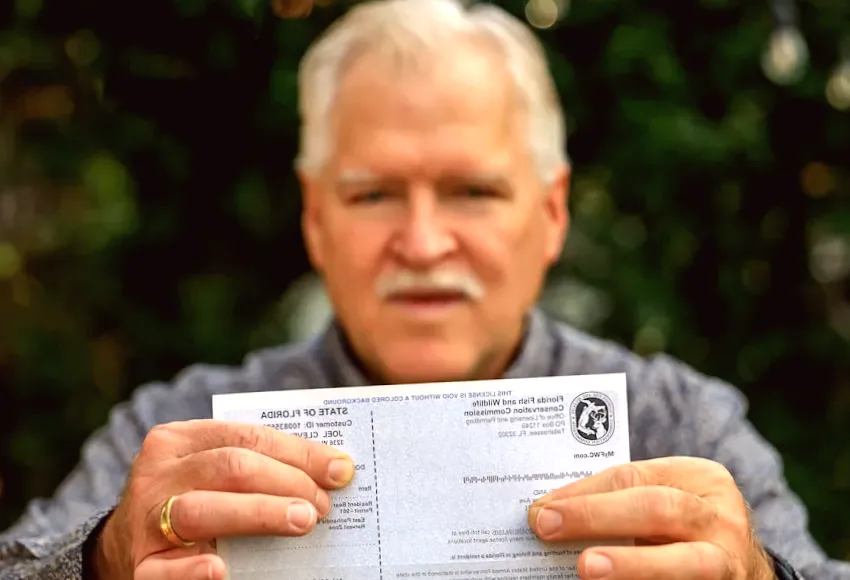
The Florida Fish and Wildlife Conservation Commission issued 172 hunting permits, each allowing the holder to harvest one bear in regions where populations are robust. Notably, at least 43 of these permits went to individuals opposed to the hunt, who applied strategically to prevent bears from being killed, according to the Sierra Clubs Florida chapter.
The Florida black bear population has significantly rebounded, growing from a few hundred in the 1970s to over 4,000 today. Critics question the necessity of the hunt, though legal challenges to stop it were unsuccessful.
Hunt Details
Each permit holder may harvest one bear during the 2025 season, which runs from December 6 to December 28. The permits are assigned to one of four designated hunting zones, each with quotas based on local bear populations. Hunters must possess a valid hunting license and a bear harvest permit, which costs $100 for residents and $300 for nonresidents. Applications for the lottery were $5 each.
Proponents argue that regulated hunting supports bear conservation by funding wildlife management programs and incentivizing sustainable population control. Mark Barton from the Florida chapter of Backcountry Hunters and Anglers stated that annual hunts provide essential resources to advance bear conservation efforts.
Hunting as a Population Management Tool
State wildlife officials assert that the growing bear population now requires management to prevent habitat strain. Hunting is viewed as a practical method used globally to control wildlife populations, while also generating revenue for conservation through permit fees.
The states bear hunting guide notes that without intervention, continued growth in the four largest subpopulations may eventually exceed available habitat. Opponents, however, criticize the hunt as cruel and unnecessary, contending that human expansion, rather than bear numbers, is the primary cause of conflicts.
Stricter Regulations Compared to 2015
This years hunt introduces tighter regulations than the 2015 hunt, which issued over 3,700 permits to anyone who could pay, resulting in chaotic outcomes and early termination of the hunt. That earlier hunt led to the deaths of 304 bears, including at least 38 mothers with cubs.
Local hunter Doug Moore, who manages over 6,000 acres in northeast Florida, supports the new rules, noting improvements over the mismanaged 2015 event, even though he did not receive a permit this year.
Activist Participation
Environmental activists obtained roughly a quarter of the permits, applying for tags they do not intend to use to help protect bears. Some view this as a symbolic act to give bears a temporary reprieve in certain areas, particularly in the Panhandle region, where human-bear encounters have increased.
Supporters of the hunt argue that rising bear populations pose safety concerns, citing sightings of bears near homes, playgrounds, and garbage areas. Opponents maintain that non-lethal measures, such as better waste management, would be more effective at reducing human-bear conflicts.
Author: Logan Reeves