
Authorities caution about worrisome change in policy that may undo years of advancement: 'Guided by thorough public involvement'
- Last update: 59 minutes ago
- 3 min read
- 765 Views
- US
The current U.S. administration is reviewing several public land directives enacted by previous leadership. Tribal representatives, who had supported restrictions on oil and gas activities near a national park in New Mexico, are concerned about potential impacts on sacred sites.
What is happening?
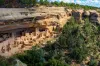
According to a report last month by the Associated Press, amid a federal government shutdown, the Bureau of Land Management (BLM) informed Southwestern tribal leaders that it would carry out an environmental review to explore the possibility of opening hundreds of square miles surrounding Chaco Culture National Historical Park to oil and gas operations. This area holds significant cultural importance, featuring ancient stone structures created by the land's first inhabitants.
Why this matters
The protection of the Chaco landscape has been a long-standing effort. In 1987, the park and six nearby sites were designated UNESCO World Heritage Sites. In 2023, the BLM pledged to safeguard roughly 336,404 acres of public land from new oil and gas leases and mining claims for 20 years. This decision was described by the Biden administration as being shaped by "extensive public engagement, including thorough consultations with tribal nations."
"Our heritage, cultural foundation, and identity are rooted in Chaco Canyon," stated Santo Domingo Pueblo Lt. Gov. Raymond Aguilar during a fall event in Washington, D.C., where tribal leaders called for the permanent protection of the area, according to the AP.
Environmental and health concerns are significant. Oil and gas pollution contributes to global health risks, including millions of premature deaths and climate warming. Indigenous communities in the U.S. face disproportionately high exposure to harmful carbon emissions, as noted in research by the Clean Air Task Force. Proximity to extraction facilities worsens these impacts, often while tribal communities lack consistent access to electricity.
Ongoing debates and actions
Not all tribal members back the current protective measures for Chaco Culture National Historical Park. The AP highlighted that discussions over the protected buffer have caused disagreements among regional tribes, with some Navajo Nation members advocating for a smaller restricted zone. Reducing restrictions could preserve millions in oil and gas revenues, according to the Arizona Republic. In January, the Navajo Nation filed a lawsuit against the Department of the Interior over the protections.
The Interior Department has pledged to work closely with tribal leaders, honor its trust obligations, and provide opportunities for public feedback. Despite these efforts, given the U.S.s historical record of broken treaties and unfulfilled promises to Indigenous nations, rebuilding trust remains a major challenge.
Author: Ava Mitchell