

Wolves at Yellowstone National Park Enjoy a Cozy Nap in the Snow
- Last update: 4 hours ago
- 2 min read
- 695 Views
- TRAVEL
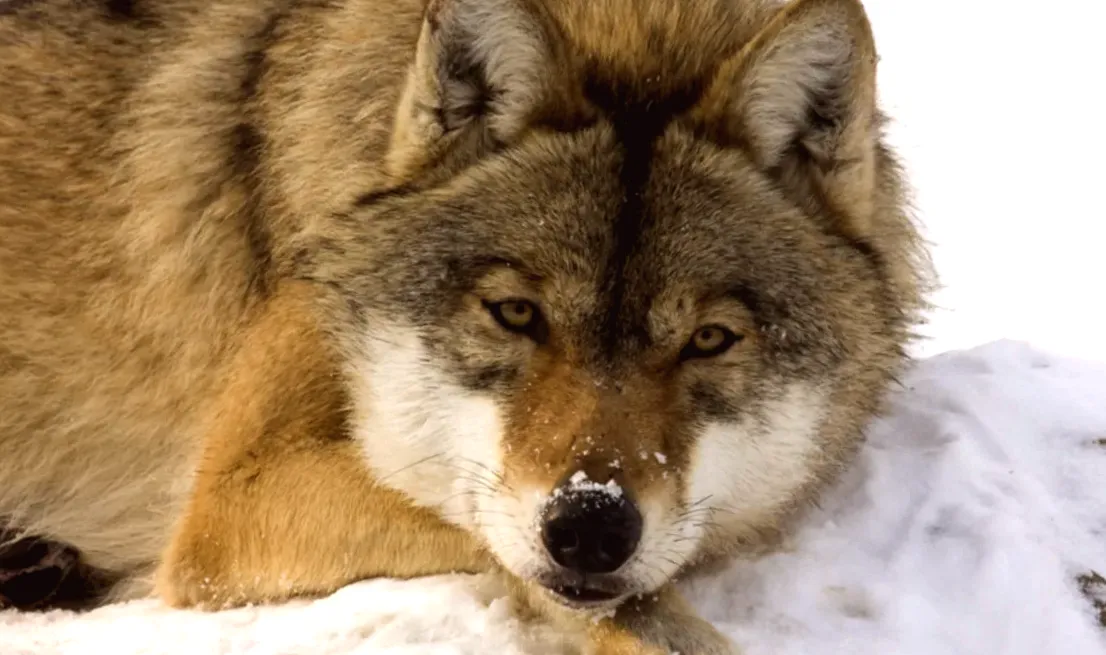
If you're looking for a moment of calm, a new video from National Park News on Instagram delivers just that. It captures a pack of wolves lounging in the snow as if it were a soft mattress, basking in the gentle winter sunlight at Yellowstone National Park. Their serene presence and the tranquil surroundings create an irresistible urge to nap alongside them.
The clip highlights the wolves relaxed behavior, with one particularly charming moment showing a wolf stretching and yawning, completing the peaceful scene.
National Park News noted the reasons behind the wolves snowy slumber: This Yellowstone pack appears completely at ease in fresh snow, enjoying the warmth of the winter sun.
Wolves are perfectly adapted for cold climates. They have two layers of fur: a protective outer layer shielding them from wind, rain, and snow, and a dense, soft undercoat for insulation. Additionally, specialized blood vessels in their paws help maintain warmth in freezing temperatures. These features allow wolves to survive in environments reaching 40 degrees below zero, according to the Wolf Education & Research Center.
Fascinating Facts About Wolf Packs
Wolves typically live in family units called packs. A standard pack consists of 6 to 10 wolves, but some may include up to 24 members. The alpha pair mates for life, while the rest of the pack comprises their offspring and occasionally non-breeding adults. Young wolves often leave their birth area at 1 or 2 years old to establish new packs, sometimes traveling up to 500 miles in search of territory and a mate.
Daily life for a wolf pack involves significant movement in search of food, covering distances up to 30 miles. While they generally travel at 5 mph, wolves can sprint as fast as 45 mph for short bursts. Their hunting indirectly benefits many other species, including ravens, foxes, wolverines, and bears, which feed on leftover prey.
Despite their fierce appearance, wolves are poor choices as guard animals. Naturally cautious around strangers, they tend to flee rather than confront potential threats.
Author: Caleb Jennings
Share
We Consulted 5 Travel Experts on the Top U.S. National Park for Winter - and They Unanimously Agreed
3 days ago 3 min read TRAVEL
Bernese Mountain Dog Refuses to Go Outside Today
3 days ago 2 min read ENTERTAINMENT
Conservation group plans to sue federal government for absence of national wolf recovery plan
3 days ago 3 min read WORLD