

Trump's Latest Security Strategy Criticized as 'Extreme Right-Wing Publication'
- Last update: 7 hours ago
- 4 min read
- 264 Views
- POLITICS
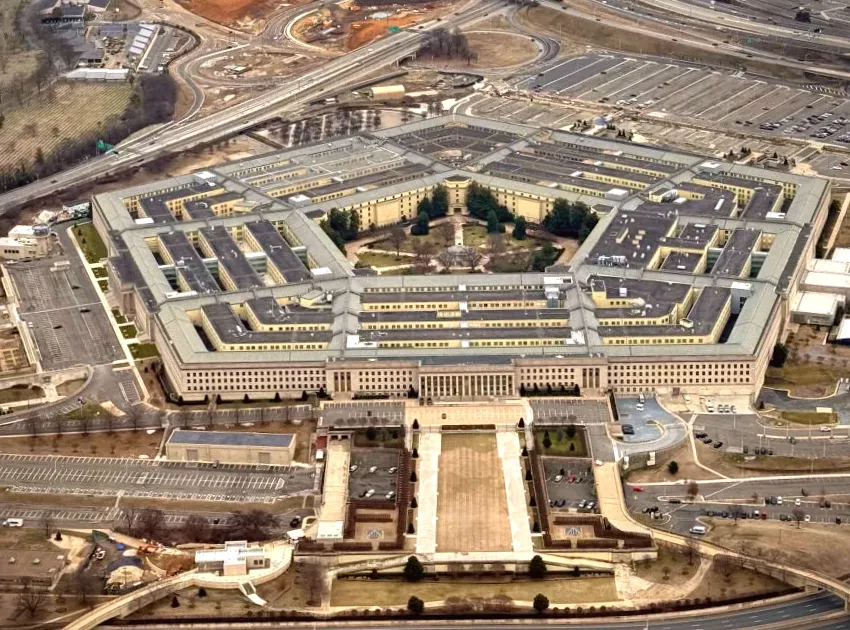
The White House has unveiled a new national security strategy emphasizing U.S. supremacy in the Western Hemisphere, encouraging resistance movements within Europe, seeking strategic stability with Russia, and accepting Middle Eastern governments on their own terms. The strategy, released late Thursday, continues the America First agenda and signals a sharp critique of European allies while reshaping U.S. foreign policy.
President Trump described the plan as a roadmap to ensure America remains the most powerful and prosperous nation in history, promising to enhance every aspect of national strength and security.
European Response
Several European officials expressed alarm. The strategy warns of Europe facing a civilizational erasure and claims that within decades, some NATO nations could become majority non-European. It calls for U.S. intervention to correct the continents current trajectory. Former Swedish Prime Minister Carl Bildt commented that the strategy positions the U.S. to the right of Europes extreme right, while Grard Araud, former French ambassador, described the Europe section as reading like a far-right pamphlet, portraying Trump as an enemy of Europe.
German Foreign Minister Johann Wadephul stated that the U.S. remains a key NATO ally, but Germany does not need outside advice. U.S. Democratic lawmakers also criticized the strategy, warning it could sacrifice allies and undermine key strategic goals and values.
Daniel Fried, a former senior U.S. diplomat, called the strategy internally inconsistent, noting its hostility toward Europe while recognizing the need for allies to counter China. He suggested that its stronger elements could still inform future policy.
Revisiting the Monroe Doctrine
The document calls for a revival of the Monroe Doctrine, aiming to reinforce U.S. dominance in the Western Hemisphere. It outlines steps to prevent non-Hemispheric powers from establishing a military or strategic foothold in the region. The administration labels this the Trump Corollary to the Monroe Doctrine.
The strategy plans to engage regional partners to control migration, combat drug trafficking, and enhance security. It also calls for shifting U.S. military resources toward the Americas, citing ongoing operations against drug cartels and increased pressure on Venezuela.
Economic tools such as tariffs and reciprocal trade agreements are highlighted to bolster U.S. industries in the hemisphere.
Europe: Promoting Resistance
The strategy claims Europe faces demographic, cultural, and political challenges, including migration issues, declining birthrates, and weakening national identities. It encourages U.S. efforts to support movements opposing Europes current trajectory and acknowledges the rise of nationalist and patriotic parties.
The plan references the Great Replacement Theory, predicting NATO nations may become majority non-European, a perspective tied to far-right narratives. It also criticizes Europes reluctance to view Russia as a threat while maintaining that Europe has a significant military advantage.
The document critiques European governments handling of Ukraine, framing many as unstable and undermining democratic principles, and advises limiting NATO expansion.
Focus on Taiwan
The strategy identifies preventing conflict over Taiwan as a priority, emphasizing the need for U.S. military superiority. It warns that a war with China would have major economic implications and calls for maintaining U.S. dominance in the Western Hemisphere to counter Chinas growing influence in Latin America and the Caribbean.
Middle East and Africa
The strategy treats Middle Eastern nations pragmatically, emphasizing economic partnerships and avoiding pressure on Gulf states to alter their governance. It stresses U.S. investment opportunities in the region, including oil, defense, AI, and nuclear energy, while prioritizing relationships with Saudi Arabia, other Gulf countries, and Israel.
In Africa, the focus shifts from foreign aid to investment and economic growth, leveraging the continents resources and potential. Overall, the strategy deprioritizes Middle Eastern and African stability, concentrating on the Western Hemisphere, consistent with U.S. military and policy actions, particularly regarding Venezuela.
Author: Harper Simmons
Share

Hegseth claims Monroe Doctrine is 'stronger than ever' with Trump's Corollary
2 hours ago 3 min read POLITICS

Trump's Strategy Paper Brings Back the Monroe Doctrine from the 19th Century
7 hours ago 2 min read WORLD

Implications of Trump’s National Security Strategy for Israel, Iran, and Gaza
8 hours ago 4 min read POLITICS

'We must stay united': Top EU diplomat supports partnership with US
12 hours ago 2 min read WORLD
Trump's policy document warns of Europe facing 'civilizational erasure' and seeks to prevent endless wars in the Middle East.
12 hours ago 3 min read POLITICS
Trump Administration Raises Concerns About Decreasing White Population in Europe
1 days ago 2 min read POLITICS
Europe's Future Unrecognizable in 20 Years Due to Immigration, According to White House Strategy Document
1 days ago 5 min read POLITICS
Trump targets Europe in new security strategy
1 days ago 2 min read POLITICS
America faces a new clash of civilizations with European liberals
1 days ago 3 min read BUSINESS

5 important points from Trump's latest national security strategy
1 days ago 3 min read POLITICS