

Supreme Court of Ireland rejects Conor McGregor's appeal in civil sexual assault case
- Last update: 1 hours ago
- 2 min read
- 537 Views
- POLITICS
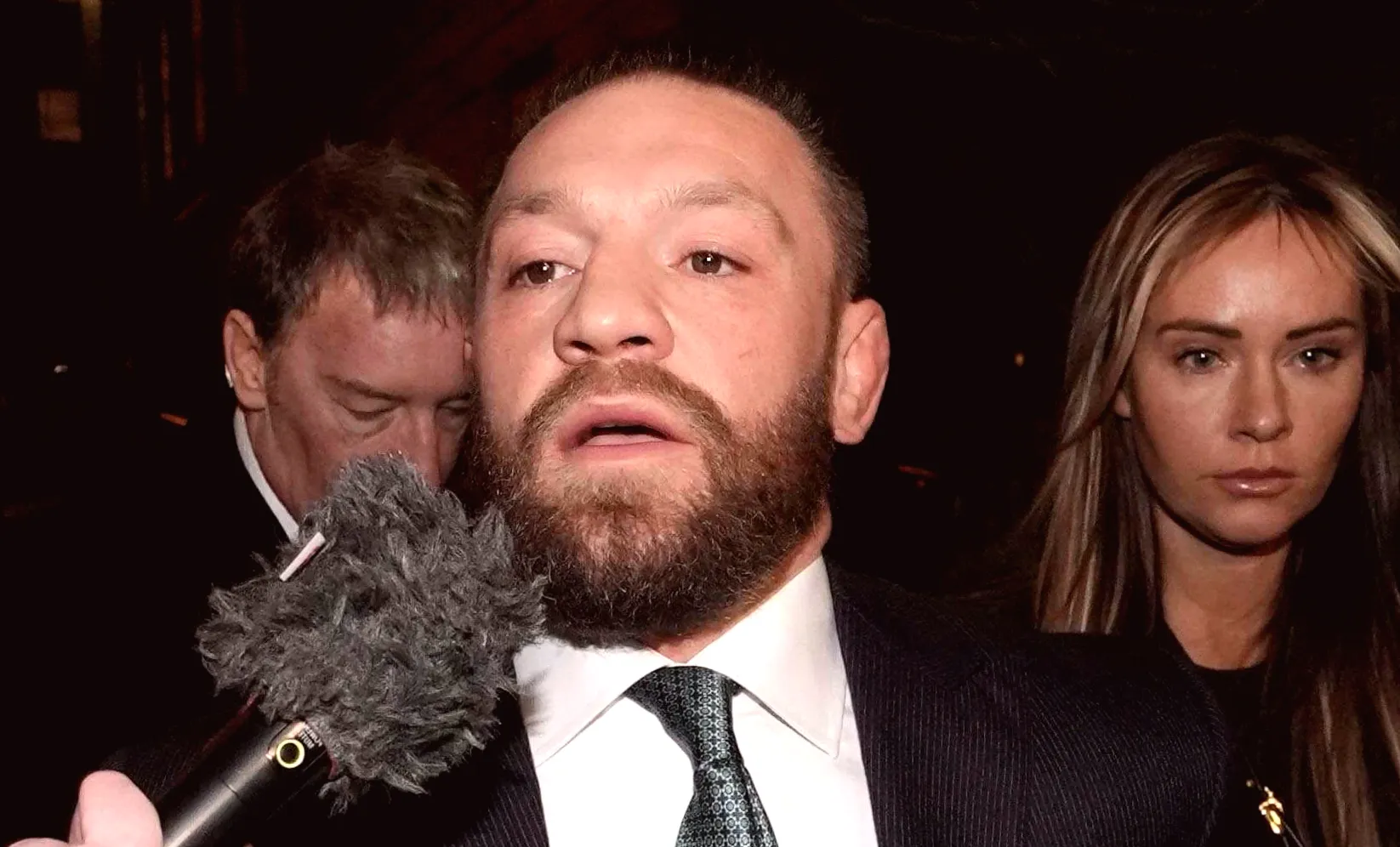
The Supreme Court of Ireland has denied former UFC champion Conor McGregors request for a further appeal in the civil case brought by Nikita Hand.
In 2018, a Dublin hotel incident led to a civil jury finding McGregor liable for sexually assaulting Hand. The jury awarded Hand nearly 250,000 in damages, a decision that was upheld by the Supreme Court on Thursday.
Earlier this year, McGregor had taken the case to the Court of Appeal, arguing that his police interview responses should not have been presented to the jury. That appeal was rejected in July, with the court ruling that McGregors team had not demonstrated a "real risk of unfair trial."
Subsequently, McGregor retained new legal counsel to pursue a similar appeal before Irelands Supreme Court. On Thursday, the three-judge panel dismissed the appeal, acknowledging that although High Court Judge Alex Owens erred in permitting cross-examination regarding McGregors no comment statements to police, the trial was ultimately fair. The court concluded that no further appeal was warranted "in the interests of justice."
Hands legal team issued a statement welcoming the ruling. Today is not just a personal victory, but one for anyone who has endured similar experiences, the statement read. Support is available, and no one has to face their journey alone.
The Supreme Court also rejected an appeal by James Lawrence, who had been accused by Hand of assaulting her after McGregor left the hotel. The civil jury had dismissed Lawrences claim, and Judge Owens previously refused his request to compel Hand to cover his legal expenses. The Supreme Court upheld that decision, noting that Lawrences lawyers failed to present a persuasive argument that the prior ruling was mistaken or unjust.
Author: Gavin Porter
Share

Conor McGregor Seeks Instant Title Fight with Makhachev, Fans Respond
2 hours ago 3 min read SPORT

Conor McGregor's Lawsuit for Alleged 2023 Sexual Assault Dismissed
1 days ago 2 min read SPORT

Conor McGregor's sexual assault lawsuit related to 2023 NBA Finals dismissed in Florida
1 days ago 2 min read SPORT