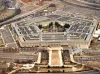

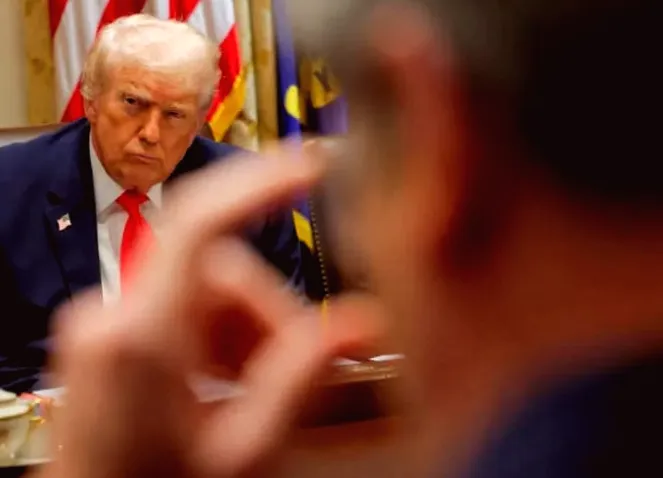
The White House has made it clear that it does not seek new conflicts involving Israel, Hamas, Hezbollah, or Iran. Earlier this month, US President Donald Trumps administration released a new National Security Strategy. The thirty-three page document, dated November, offers a view into how the administration, its foreign policy team, and the Pentagon currently interpret global dynamics, a matter of particular importance for Israel and the broader Middle East.
Public discussion surrounding the strategy has largely centered on its approach to Europe. It has long been evident that the administration is wary of Europe and prefers to focus on domestic priorities and developments in the Western Hemisphere.
Despite Trumps active engagement in the Middle East during the first year of his second term including military action against Iran, helping end the 12-Day War between Israel and Tehran, supporting the Gaza ceasefire, and working with the UN on its related resolution the region receives limited attention in the document. This is notable given the administrations involvement in ending several global conflicts and cooperating with regional actors such as Saudi Arabia and the new Syrian government.
For more than a decade, starting with the Obama administration, US policymakers have sought to reduce Washingtons long-standing footprint in the Middle East, a response to the lasting effects of the Gulf War and the Global War on Terror.
Trump highlights in the strategy that his administration restored US border security, reshaped military culture, and invested heavily in defense. He also cites Operation Midnight Hammer, which he says eliminated Irans nuclear enrichment capabilities, along with his designation of regional drug cartels and violent foreign gangs as terrorist organizations. He credits his administration with resolving eight international conflicts within eight months, including the war in Gaza and the return of hostages.
US Expectations for Israel
Washington aims for Israel to remain secure while also taking responsibility for its own strategic decisions. This implies that the US will not always intervene in Israeli confrontations involving Lebanon, Gaza, Syria, or Iran. While Israeli leaders often reference potential future conflicts with Hamas, Hezbollah, or Tehran, Washington stresses its preference for stability.
The strategy states that although conflict continues to challenge the region, Iran has been significantly weakened by Israeli operations after October 7, 2023, and by Trumps June 2025 Operation Midnight Hammer. It also notes progress toward a more lasting Israeli-Palestinian agreement following the negotiated ceasefire and release of hostages.
Syria and Regional Stability
The section addressing Syria describes the country as a potential problem, reflecting a more cautious tone than Trumps recent remarks. The strategy urges Arab states, Israel, and Turkey to support stabilization efforts. Washington has expressed frustration with Israeli strikes and incursions in Syrian territory.
According to the document, the Middle East no longer carries the same strategic weight for the US as in previous decades. It argues the region is transforming into a hub for international investment across fields such as nuclear energy, artificial intelligence, and defense technology. The US intends to cooperate with regional partners to strengthen supply chains and economic opportunities, including those linked to Africa.
To achieve this, regional conflict must diminish. Washington seeks uninterrupted Gulf energy supplies, open access to the Strait of Hormuz, and safe passage in the Red Sea. The strategy also reaffirms interest in expanding the Abraham Accords within the Muslim world.
A Shift in US Focus
The administration ultimately does not want the Middle East to dominate US foreign policy, despite its centrality in 2025. The document emphasizes the desire to transform the region into a space for partnership and investment. Trumps role in bringing together Arab states at Sharm el-Sheikh in support of normalization is presented as a step toward allowing the US to prioritize its own interests.
With this orientation, Washington is unlikely to embrace new Israeli military initiatives aimed at dismantling Hezbollah or reentering densely populated areas of Gaza. Whether the strategy becomes fully implemented as part of the broader Trump Doctrine, or whether the administration will continue to navigate regional challenges on a case-by-case basis, remains uncertain.