

Review of 'The New Yorker at 100': A Dynamic and Captivating Portrayal of the Iconic Magazine
- Last update: 4 days ago
- 3 min read
- 21 Views
- MOVIES
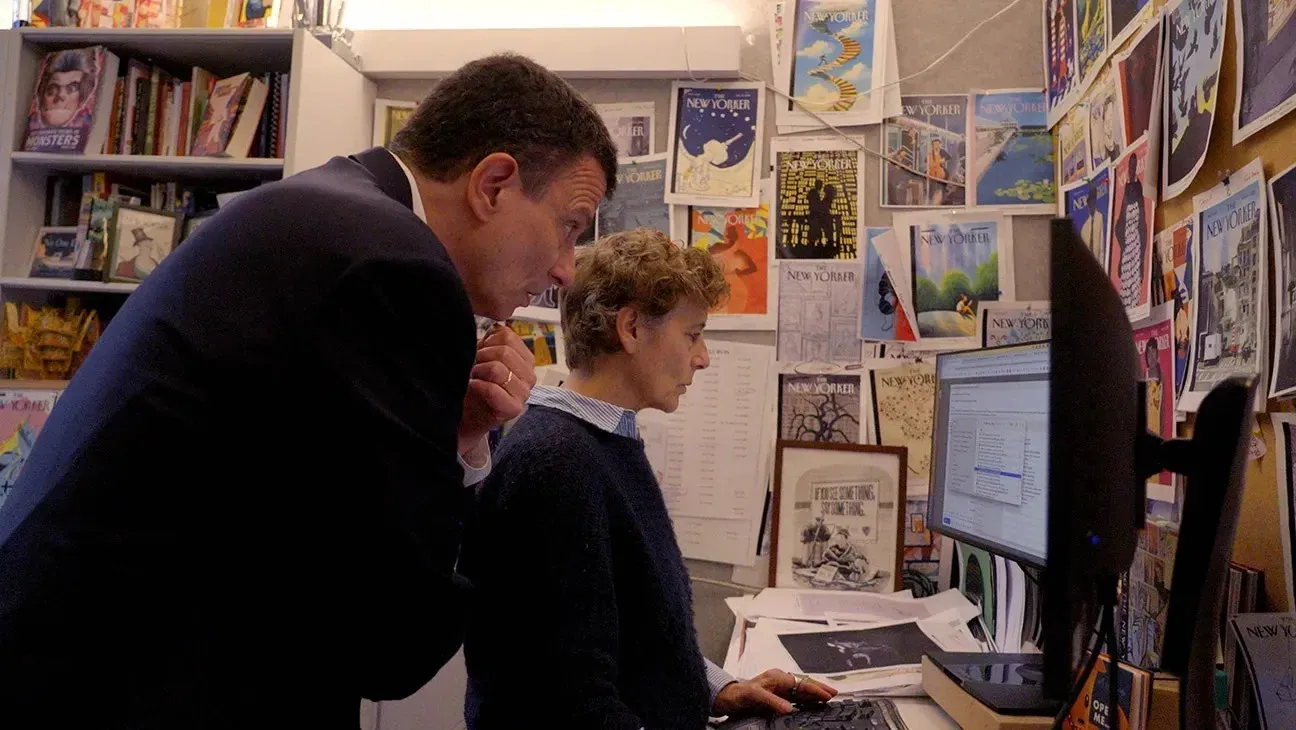
"The New Yorker at 100" is a lively and captivating documentary that achieves something more difficult than it appears, much like the magazine itself. Over 96 minutes, director Marshall Curry and narrator Julianne Moore chronicle the storied journey of The New Yorker, highlighting its cultural impact and offering an intimate look at the magazines inner workings.
The film uses the production of the magazines 100th anniversary issue, released this February, as a lens to show the weekly editorial process. It captures the unique atmosphere and aesthetic of The New Yorker, illustrating how its dedication to truth and beauty are inseparable and how its modern perspective remains anchored in the analog sensibilities of a previous era.
The magazine cherishes its traditionsiconic imagery like Eustace Tilley and the classic Adobe Caslon fontbut its core mission is to cut through the noise of contemporary life and present reality to its readers with clarity and vibrancy.
Behind the Scenes
For devoted readers, the documentary offers a rare backstage view of how the magazine is crafted. It shows the weekly cartoon meeting where 1,000 submissions are whittled down to 60 contenders, the creative process of writer Nick Paumgarten exploring the East Village for material, and editor David Remnick balancing warm mentorship with exacting standards. Remnicks devotion is evident in his daily routine, his passion for work likened to Fred Astaire dancing, and his reflections on raising a profoundly autistic daughter, which deepened his empathy as a journalist.
A Historical Perspective
For generations, The New Yorker arrived as more than a magazineit was a meticulously crafted objet dart. Its combination of elegance, rigorous prose, and accessibility set it apart in the mid-20th century, bridging highbrow and lowbrow culture. Iconic editors like William Shawn, despite their reserved demeanor, wielded an unmistakable presence that shaped the magazines distinctive voice. Meanwhile, figures like film critic Pauline Kael defined its cultural relevance in the 1970s, blending rock-star charisma with the magazines refined sensibility.
Impactful Journalism
The documentary highlights moments when The New Yorker reshaped journalism. John Herseys Hiroshima, Rachel Carsons Silent Spring, James Baldwins essays on race, and Truman Capotes In Cold Blood demonstrate the magazines influence on public discourse and literature. Beyond serious reportage, the magazine also embraces delight, aesthetic precision, and playful design, from covers to punctuation.
Cultural Resonance
Interviews with Jon Hamm, Molly Ringwald, Ronny Chieng, and Jesse Eisenberg reveal the magazines personal impact. The film acknowledges that, while The New Yorker can sometimes feel overly refined, its lasting value lies in its ability to remain above the fray, providing clarity and insight into the worlds challengesfrom nuclear threats to environmental crisesover its century-long history.
The Magazine Today
Even amid todays chaotic media landscape, The New Yorker maintains its role as a bastion of thoughtful journalism. The documentary celebrates its centennial not only as a historical milestone but as a reminder of the enduring importance of careful, informed, and elegant storytelling in a fragmented society.
Author: Sophia Brooks
Share

Disney Executive Jared Bush Knows Why 'Zootopia 2' Is a Massive Success in China
3 days ago 3 min read MOVIES

Top Gay Adult Entertainers of 2025, Ranked by Squirt
3 days ago 1 min read MOVIES

Conversation with Claudia Black and Indian Shaw-Smith about Power and Evolution of 'Spartacus: House of Ashur' Sequel
3 days ago 2 min read MOVIES

LEGO Set Highlights Most Haunted Location from Netflix's Stranger Things
3 days ago 2 min read MOVIES

The Romance Heats Up as Temperatures Rise in ‘People We Meet on Vacation’ Trailer
3 days ago 2 min read MOVIES

Laurie Metcalf and Nathan Lane to headline Broadway's revival of 'Salesman'
3 days ago 1 min read MOVIES

Travis Kelce's Former Partner Gets Criticized for Expressing Desire to Join DWTS
3 days ago 2 min read MOVIES

Marvel Star Grants Birthday Wish to DWTS’ Robert Irwin
3 days ago 2 min read MOVIES

BBC Studios Productions Chief Hopes to Recreate ‘Dancing With The Stars’ TikTok & YouTube Triumph Across Other Programs
3 days ago 2 min read MOVIES

'Sean Combs: The Reckoning' now streaming on Netflix: What you need to know about the docuseries produced by 50 Cent
3 days ago 3 min read MOVIES