

Warning Issued to California Mushroom Hunters about Deadly Poisoning Outbreak
- Last update: 1 hours ago
- 2 min read
- 216 Views
- HEALTH
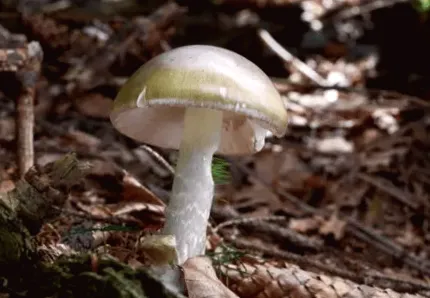
SACRAMENTO, Calif. Health authorities in California are cautioning residents against picking wild mushrooms following a serious outbreak of poisoning caused by amatoxins, which has resulted in severe illnesses including liver failure and at least one fatality across the state.
On Friday, the California Department of Public Health (CDPH) reported that 21 cases have been confirmed as of December 5, identified by the California Poison Control System. Clusters of cases have been observed in the Monterey and San Francisco Bay areas. Those affected include both children and adults, with several patients requiring intensive care. One adult has died, and another may require a liver transplant.
Death cap mushrooms contain toxins that can be lethal and lead to liver failure, said Dr. Erica Pan, CDPH director and state public health officer. Because they can be easily mistaken for edible mushrooms, we strongly advise the public to refrain from foraging during this high-risk period.
Scientifically known as Amanita phalloides, death cap mushrooms closely resemble some safe edible varieties, making them difficult to identify even for experienced foragers. Importantly, cooking or freezing these mushrooms does not eliminate the toxins.
Mushroom poisoning symptoms usually appear within six to 24 hours after consumption and may include diarrhea, nausea, vomiting, stomach pain, and dehydration. Patients can initially seem to recover, but severe liver damage may develop 48 to 96 hours later.
Healthcare providers are urged to contact the California Poison Control System at 1-800-222-1222 for advice if mushroom poisoning is suspected.
Death cap mushrooms thrive during Californias fall and winter months, particularly after rainfall. They are commonly found near oak, pine, and other hardwood trees and can grow even in urban environments. Due to the increasing number of cases and serious health risks, CDPH recommends consuming only commercially purchased mushrooms from reputable sources.
For additional guidance, visit the CDPH website or reach out to the California Poison Control System.
Author: Zoe Harrison
Share
California officials issue warning against foraging wild mushrooms following deadly poisoning outbreak
4 hours ago 2 min read US
7 Individuals Sent to Hospital After Ingesting Potentially Fatal Poisonous Mushrooms
2 days ago 2 min read WORLD
Mushrooms have health benefits, but caution is needed for some.
5 days ago 3 min read HEALTH