

Why Steven DeKnight, Creator of Spartacus, Never Regrets Killing Off His Gladiators
- HOME
- ENTERTAINMENT
- Why Steven DeKnight, Creator of Spartacus, Never Regrets Killing Off His Gladiators
- Last update: 49 minutes ago
- 2 min read
- 966 Views
- ENTERTAINMENT
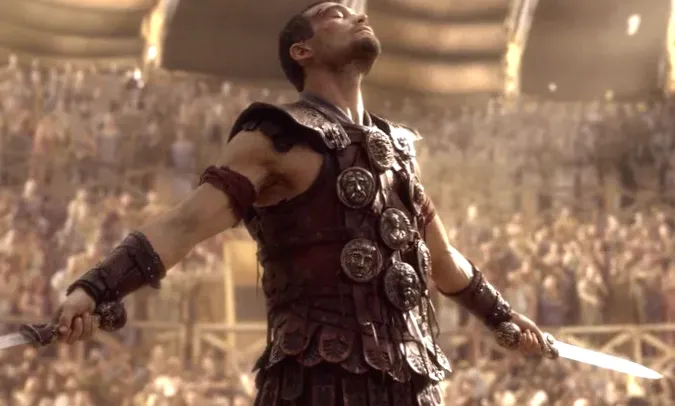
Little is reliably documented about Spartacus, the Thracian gladiator who orchestrated a significant slave revolt against Rome around 73 BC. Most accounts of his life were written more than a century later, leaving historians with a fragmented and sometimes conflicting picture of his actions and personal life.
Despite these historical uncertainties, Steven S. DeKnight brought Spartacus to life in the Starz historical drama "Spartacus," which includes three miniseries and a six-episode prequel. The series is infamous for its graphic depictions of violence, including blood-soaked battles and sudden character deaths.
Season two, Spartacus: Vengeance, picks up after a shocking death, setting the stage for new conflicts and developments. When asked about killing off characters, DeKnight told Cinemablend that he never regrets these decisions: When a character dies, it serves a purposeeither their story has concluded, or their death propels the hero forward. I do miss the actors and the traits they brought, but the choices are necessary.
For example, the death of Batiatus (John Hannah) at the end of the first season illustrates a purposeful narrative turn. Spartacus (Andy Whitfield) confronts Batiatus, his former owner, and kills him, igniting a personal vow to make Rome tremble. DeKnight explained that this death, though it meant losing a compelling antagonist, was essential for the storys progression: John Hannah brought so much to the show, but Spartacus needed to kill him to close the season and mark a major step in the heros journey.
The antagonist role left by Batiatus is taken up by Glaber (Craig Parker) in the second season. Glaber seeks to suppress the uprising but struggles with political maneuvering and underestimates Spartacus, leading to his grisly demise at the hands of the rebel leader. This brutal confrontation reflects the intense, cathartic tone that defines Spartacus: Vengeance.
DeKnights approach highlights that while the series loses beloved characters, each death is integral to driving the story and shaping the heros path.
Author: Lucas Grant
Share

Review of ‘Spartacus: House of Ashur’: Starz's Spinoff Continues to Deliver Sexy, Gory Spectacle
1 days ago 3 min read ENTERTAINMENT

Graham McTavish Stars in His Debut Gay Role in ‘Spartacus: House of Ashur’ (and Shares His Vision for the End of ‘Outlander’)
1 days ago 3 min read ENTERTAINMENT

Spartacus' Raunchy Sequel Show Earns Perfect 100% RT Score
2 days ago 2 min read ENTERTAINMENT

Spartacus Sequel to Push Boundaries of Sex & Violence
3 days ago 2 min read ENTERTAINMENT

The Almost Missed Cameo of Lucy Lawless in 'Spartacus'
3 days ago 2 min read ENTERTAINMENT

Conversation with Claudia Black and Indian Shaw-Smith about Power and Evolution of 'Spartacus: House of Ashur' Sequel
4 days ago 2 min read MOVIES

'Spartacus: House of Ashur' Creator and Star Discuss Pushing Boundaries of Sex and Violence, the Role of Intimacy Coordinators, and Staying True to the Original Script
5 days ago 3 min read MOVIES