

Unexpected Secret Pact: 'Operation Underworld' during wartime
- HOME
- ENTERTAINMENT
- Unexpected Secret Pact: 'Operation Underworld' during wartime
- Last update: 6 hours ago
- 5 min read
- 125 Views
- ENTERTAINMENT
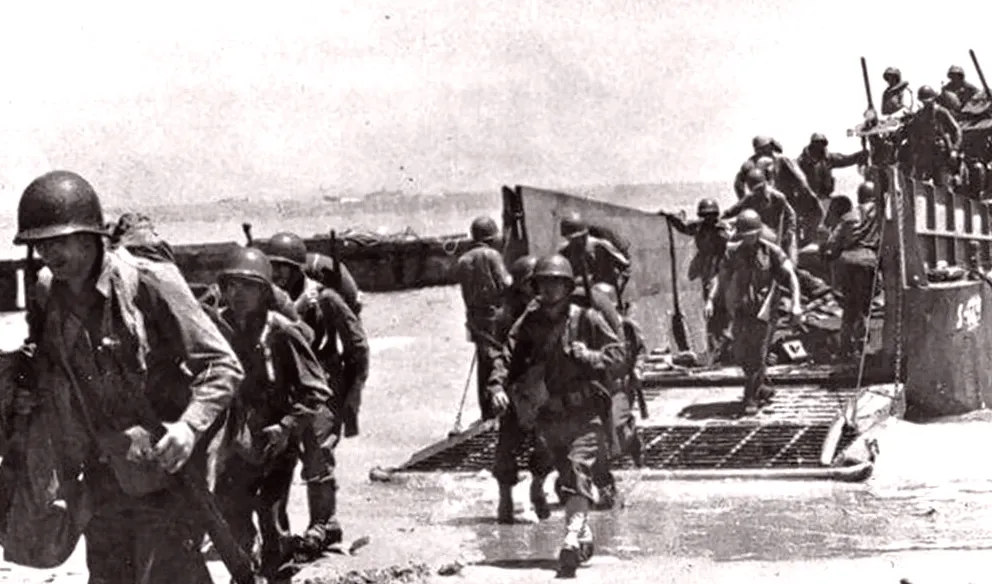
During World War II, the United States government entered into one of its most covert and unexpected alliances. With the growing threat of Axis sabotage along the East Coast and the need to protect vital shipping lanes, the U.S. Navys Office of Naval Intelligence (ONI) launched a secretive mission known as Operation Underworld. This operation formed an unlikely partnership with notorious figures in Italian and Jewish organized crime.
While morally questionable, this clandestine cooperation proved crucial in securing the American war effort and also had long-lasting effects on the evolution of organized crime post-war.
Why Involve the Mafia?
By early 1942, the situation along the U.S. East Coast was dire. German U-boats were sinking merchant ships, endangering essential supply routes. New York Harbor, the busiest port in the world, was the heart of the U.S. militarys logistics network. Any disruption there could severely hinder the Allied war effort.
The situation worsened after the discovery of the Duquesne Spy Ring and a disastrous fire on the SS Normandie on February 9, 1942. Though later ruled an accident, many believed it was the work of Nazi saboteurs, exposing the vulnerability of the docks.
The issue was compounded by the limited reach of federal agencies at the waterfront. The neighborhoods surrounding the harbor were steeped in mistrust, and the ONI suspected that German agents were active in these areas. Even more concerning was the realization that many of the docks and unions were controlled not by law enforcement but by organized crime.
The Rise of Mafia Power on the Docks
To understand why the Navy sought the help of the Mafia, one must look at the rise of organized crime in America. During Prohibition, criminal syndicates flourished due to the profits from illegal alcohol trade, which funded bribery, coercion, and political influence. These syndicates expanded their control over labor unions, including those that controlled vital markets and shipping lines.
By the early 1940s, Mafia families such as the Luciano crime family, along with Jewish crime organizations like those led by Meyer Lansky, had significant sway over New York's docks. They controlled labor, shipments, and information flowfactors crucial to the government's wartime efforts.
Forging the Alliance
The ONI, led by officials like Captain Roscoe MacFall and Commander Charles R. Haffenden, recognized that traditional law enforcement could not penetrate the complex world of the waterfront underworld. They needed to enlist the help of powerful figures who commanded the respect of dock workers. One of these figures was Joseph Socks Lanza, a prominent racketeer who controlled the Fulton Fish Market.
Lanza, despite his criminal background, agreed to assist the Navy by monitoring the waterfront, reducing labor disputes, and reporting suspicious activities. But to unify the various Mafia factions, ONI turned to Charles Lucky Luciano, a powerful mob boss imprisoned at Dannemora. Despite being incarcerated, Luciano still wielded considerable influence over the New York Mafia. With the help of Meyer Lansky, negotiations were made, and Luciano agreed to cooperate.
Securing the Docks
Once the partnership was established, the results were immediate. Mafia influence allowed ONI to tap into an extensive network of surveillance across the waterfront, from bars to warehouses and union halls. Dock workers started reporting suspicious activities, and the Mafia's involvement helped prevent labor strikes that could have disrupted wartime shipments.
There was a noticeable decrease in thefts and conflicts on the docks, and operations became more efficient. The Mafia also provided crucial intelligence about the upcoming invasion of Sicily. Lucianos contacts on the island provided valuable information on the terrain and local opposition to Mussolinis regime, aiding Allied forces in their successful campaign.
The Aftermath
In 1946, after the war ended and his cooperation was recognized, Governor Thomas E. Dewey commuted Lucianos sentence, and he was deported to Italy. Luciano continued to influence international crime from abroad. The governments wartime partnership with the Mafia strengthened the criminal syndicates' post-war authority, particularly in labor unions.
For decades, Operation Underworld remained classified due to the political embarrassment it caused. The same government that had fought against organized crime had, during wartime, turned to the very forces it had condemned. Despite the success in protecting the East Coast and supporting military operations, the operation also inadvertently solidified the Mafias post-war power.
Lessons from Operation Underworld
When teaching about World War II, I often use Operation Underworld as a case study to demonstrate how wartime exigencies can lead to unlikely alliances. The operation highlights how strategic necessity sometimes trumps moral considerations, and how pragmatic decisions can shape history in unexpected ways.
For students, examining this event through various methods, such as role-playing simulations, primary source analysis, and creative projects, offers a deeper understanding of WWII. It illustrates the complex decisions made under pressure and the blurred lines between legality, morality, and necessity in times of war.
A Pact of Necessity
Operation Underworld remains one of the most striking examples of wartime pragmatism in American history. In the face of a dire threat from Axis powers, the U.S. government turned to the American Mafia to secure vital supply lines and obtain intelligence that federal agents could not. This secret partnership not only helped protect the nation during a critical period but also reshaped the balance of power between the government and organized crime, leaving behind a controversial but indispensable legacy.
Author: Riley Thompson
Share
Survivors of boat collision did not call for help, Bradley informs lawmakers: Report
6 hours ago 3 min read WORLD
Survivors killed in follow-up strike captured on video, causing concern among lawmakers
16 hours ago 3 min read WORLD
Navy commander updates Congress on boat strike aimed at survivors: 5 key points
1 days ago 3 min read POLITICS
US military destroys suspected drug boat in eastern Pacific, resulting in the deaths of 4 'narco-terrorists'
1 days ago 2 min read WORLD
Pete Hegseth's Key Argument for Boat Strike Survivors Has Crumbled
1 days ago 2 min read POLITICS
US official reports military targeted drug boat in Caribbean in 4 separate strikes in September attack.
2 days ago 2 min read POLITICS