

Thriving Loch Ryan oysters relocated to new Firth of Forth habitat
- HOME
- ENTERTAINMENT
- Thriving Loch Ryan oysters relocated to new Firth of Forth habitat
- Last update: 2 hours ago
- 2 min read
- 674 Views
- ENTERTAINMENT
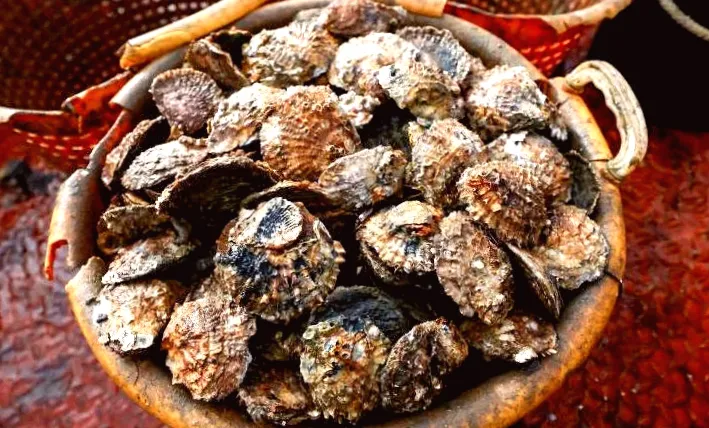
Oysters moved from Loch Ryan in south-west Scotland to the Firth of Forth are flourishing in their new environment. Since 2023, nearly 47,000 European flat oysters have been introduced across four different locations as part of the Restoration Forth initiative.
Dive teams from Heriot-Watt University monitoring the sites report an impressive average survival rate of around 88%. Dr Naomi Kennon of the university described the findings as "extremely encouraging."
Loch Ryan, located in Dumfries and Galloway, still hosts oyster populations celebrated through an annual festival, but overall numbers have significantly declined since the 19th century. Historically, oyster beds were common along Scotlands east coast, including the Firth of Forth and the River Dee, but WWF Scotland notes that there have been no verified sightings in the Forth since 1957.
Dr Kennon emphasized the positive impact of the project, highlighting the contributions of volunteers who prepared the oysters and teams who carefully placed them in the Forth. "One oyster grew 2.1cm in a single year, which is highly promising compared to the expected 1cm annual growth under favorable conditions," she said.
Oysters play a critical role in marine ecosystems, filtering water, storing carbon, and providing habitats for numerous species. While far from the historic abundance, the success of these relocated oysters underscores the importance of restoration efforts.
Caitlin Godfrey from the Marine Conservation Society expressed excitement at the high survival rates. She praised the dedication of volunteers, communities, and partners contributing to ocean recovery. "These oysters are not only survivingthey are thriving, laying the foundation for a healthier marine ecosystem and a brighter future for our seas," Godfrey stated.
The reintroduction of these rare oysters represents a significant step in reviving a species that helps maintain water quality and biodiversity in Scotlands coastal waters.
Author: Lucas Grant
Share

Angry Redhead's Bucket List Included Being on I'm a Celeb
2 minutes ago 2 min read ENTERTAINMENT

Nick Saban reminds everyone on College Gameday of an overlooked aspect in the Miami vs. Notre Dame playoff debate: 'Totally not being considered'
6 minutes ago 2 min read ENTERTAINMENT

Agreement reached for new £8.2m medical center
8 minutes ago 2 min read ENTERTAINMENT

Top 10: The Top Vertical Take-off Military Aircraft
9 minutes ago 3 min read ENTERTAINMENT

'I had to speak up for my baby to cure her colic'
11 minutes ago 2 min read ENTERTAINMENT

Darius Slay explains why he didn't report to Bills: 'It wasn't a bad fit. They just caught me at a bad time.'
12 minutes ago 2 min read ENTERTAINMENT

The Go-To Costco Dinner When Too Exhausted to Cook
14 minutes ago 3 min read ENTERTAINMENT

AEW Announces Last Episode of Hey! (EW) on December 7th
15 minutes ago 1 min read ENTERTAINMENT

Top 10: The Most Efficient Vertical Take-off Military Aircraft
16 minutes ago 5 min read ENTERTAINMENT

Floppy Ragdoll Cat's Adorable Fluff Perfection in 'Unconscious Throw Pillow' Pose
16 minutes ago 2 min read ENTERTAINMENT