

The Sound Design of 'No Other Choice' Unleashes Our Inner Beast
- HOME
- ENTERTAINMENT
- The Sound Design of 'No Other Choice' Unleashes Our Inner Beast
- Last update: 1 days ago
- 3 min read
- 706 Views
- ENTERTAINMENT
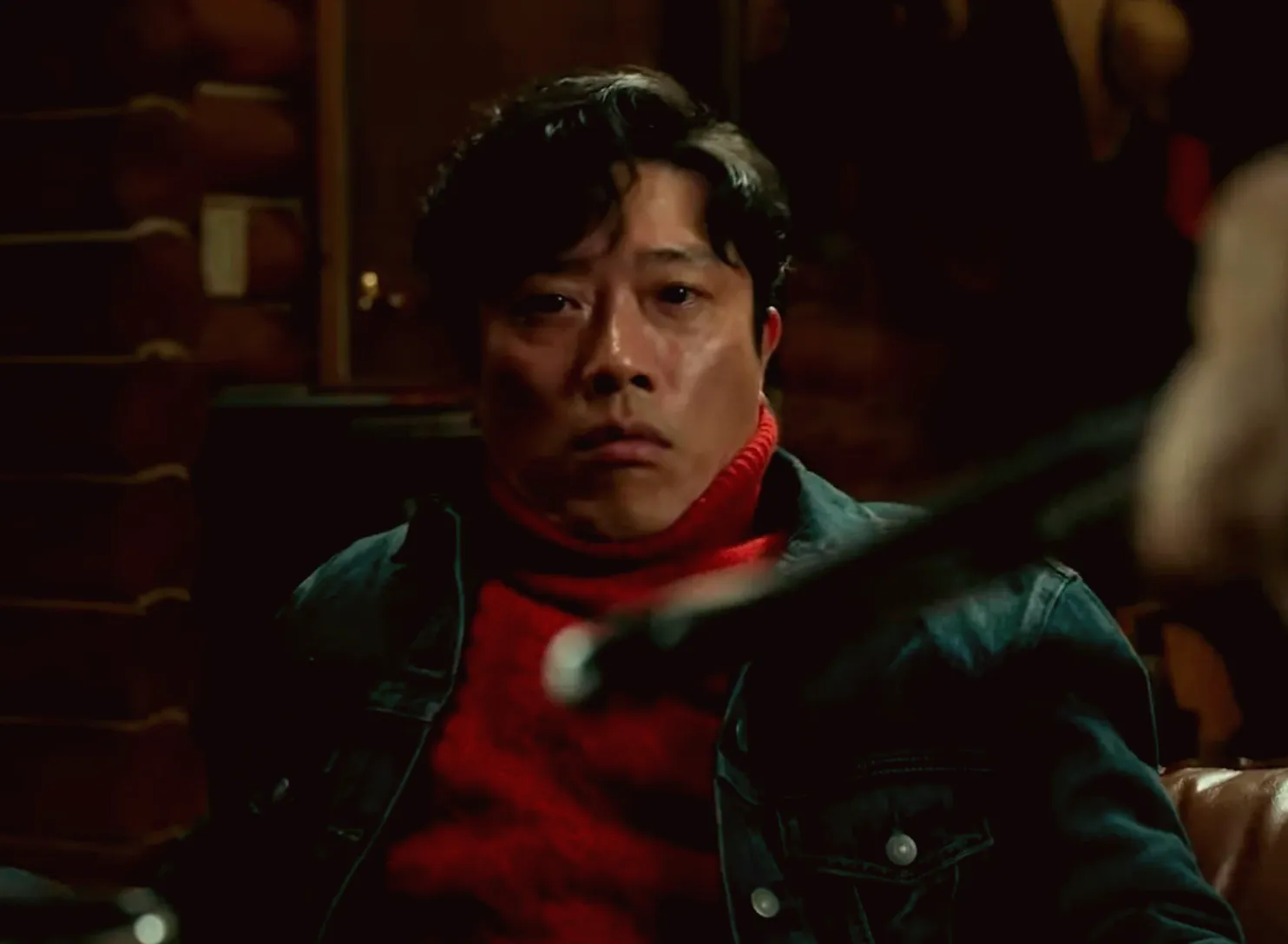
The most unforgettable moments in No Other Choicethose that are simultaneously darkly humorous, grotesque, and bleakgain their power not from director Park Chan-wooks visuals alone, but from the intense, emotionally charged sound design that immerses the audience completely. Here, the violence resides in the audio, giving Park the space to experiment and delight.
From the subtle menace in Man-sus (Lee Byung-hun) meticulous shaping of bonsai trees to the visceral discomfort of drinking a whiskey-bomb, the soundscape draws viewers into Man-sus chaotic post-job-loss mission: eliminating anyone who might compete for the rare paper company position he believes will give his life purpose.
Compared to visuals, sound remains a largely untapped area in contemporary cinema. Theres so much more to explore today, Park explained on the Filmmaker Toolkit Podcast. It is often the bodily, physical sounds that reveal Man-sus willingness to commit murder for his hollow ambitions, embodying the films central idea: that he truly has no other choice.
Designing these audio moments goes beyond simple sound effects or volume adjustments. Some of the most striking visuals in No Other Choice emerged from the decision of how to enhance the sound. In certain cases, the image follows the sound; the sound drives the movie. Thats how crucial sound was for me in this film, Park said.
A prime example is the scene where Man-su confronts paper executive and occasional influencer Sun-chul (Park Hee-soon) in his secluded cabin. The chaotic whiskey binge that ensuesprimarily Sun-chuls indulgence while Man-su attempts to remain sober enough to commit murderis intensified by the auditory perspective. The camera follows the drink itself, and the sound of the whiskey being swallowed, glasses clinking, and liquid gushing down Man-sus throat is meticulously crafted to make viewers feel as if they are inside the glass with him.
Being sonically close to Man-su strips away any pretense, exposing his darkest impulses. Although he avoids alcohol, when he drinks, he becomes more violent. The atrocities he commits have always been there, lying dormant, waiting for the right moment. This scene was vital because it marks the release of that hidden beast, Park said.
Another striking example of sound-driven storytelling is Man-sus obsessive care for his bonsai trees. The amplified cracking and bending of branches evoke a sense far more human, signaling his desire to control and shape the world around him. Initially intended merely as decor, the bonsai became a symbolic and auditory extension of Man-sus personality.
Through his bonsai work, we see both sides of his nature: the careful creation of a universe and the artificial enforcement of order, Park explained. The wet, amplified snapping of branches mirrors Man-sus attempts to impose structure on his family and surroundings, letting sound guide the audience to moral insights he himself cannot reach.
Park emphasizes that sound is not just an accompaniment to the narrative but a narrative tool in itself. Sound can tell the story, influence the audience subconsciously, and act as a key instrument in the cinematic symphony. Dialogue, effects, ambient noiseall must be considered as one coherent composition. Each element contributes to a larger auditory vision, he said.
Author: Benjamin Carter