

Opinion - The negative impact of a REAL ID fee outweighs any potential benefits
- HOME
- ENTERTAINMENT
- Opinion - The negative impact of a REAL ID fee outweighs any potential benefits
- Last update: 1 hours ago
- 2 min read
- 764 Views
- ENTERTAINMENT
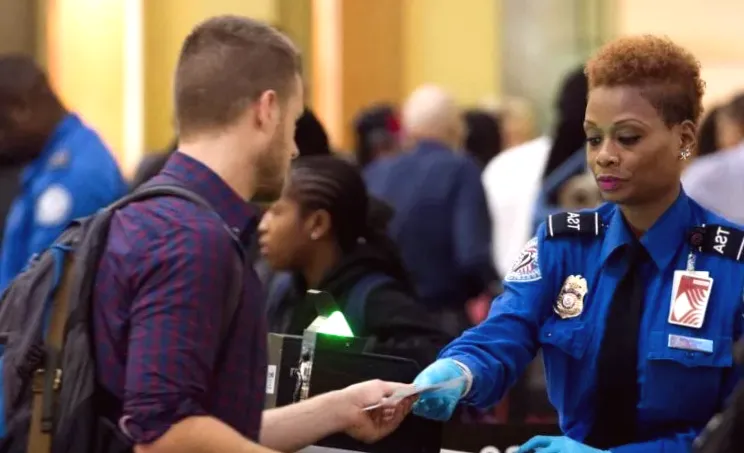
The current administration has introduced a $45 charge for passengers who fly commercially without presenting a REAL ID. Although the REAL ID mandate has been in effect since May, allowing travelers sufficient time to obtain one, the fee is likely to create more challenges than benefits at airport security checkpoints. There are alternative measures that ensure safety while accommodating travelers more effectively.
The REAL ID Act of 2005 mandates that individuals need a REAL ID to access federal facilities or board commercial flights. Despite being enacted two decades ago, enforcement was delayed multiple times before finally taking effect. Acquiring a REAL ID involves providing additional documentation, such as proof of identity, Social Security number, and residency. Undocumented immigrants cannot obtain a REAL ID, which legally prevents them from flying commercially.
Passengers without a REAL ID are subject to enhanced security screenings by the Transportation Security Administration (TSA). After the REAL ID deadline in May, about 81% of travelers had secured the identification. With over 2.5 million passengers screened daily, roughly 150,000 people could face extra screening and the $45 fee. Collectively, this could generate approximately $6.7 million per day, but accounting for round trips and other factors, annual revenue may reach around $1.2 billion. However, this number will likely decline as travelers realize obtaining a REAL ID is more economical than paying multiple fees.
Implementing this fee also requires infrastructure to collect payments across roughly 400 federalized airports. This would burden TSA officers, slow security lines, and necessitate additional personnel, reducing net revenue. REAL IDs serve as a genuine security enhancement, and substituting compliance with a fee diminishes their intended protection. Airlines, which manage initial identity verification at check-in, are better positioned to enforce REAL ID requirements. Passengers lacking proper identification should be denied boarding rather than offered paid access.
By now, obtaining a REAL ID is straightforward in all states. Expecting travelers to carry one ensures the security system functions as intended. Using a fee as an alternative undermines the purpose of REAL ID and likely fails to cover collection costs. Assigning enforcement to airlines, along with strict adherence to compliance, may cause short-term inconvenience but will ensure long-term adherence. With the proposed February 1, 2026, start date, the $45 fee will likely become unnecessary as nearly all passengers will already possess a REAL ID.
Author: Benjamin Carter
Share

Samuel L. Jackson finds humor in internet dubbing Lamar Jackson his "long lost son"
22 seconds ago 2 min read ENTERTAINMENT

Celebrity Birthdays on Dec. 6: Molly Gordon, Shekhar Kapur
2 minutes ago 1 min read ENTERTAINMENT

Honouring loved ones by freezing our feet
8 minutes ago 2 min read ENTERTAINMENT

'Mad Men' fans notice mistakes in HBO's flawed 4K remastering
9 minutes ago 2 min read ENTERTAINMENT

American playwright Jeremy O. Harris detained in Okinawa on suspicion of drug trafficking
14 minutes ago 2 min read ENTERTAINMENT

General Hospital Updates: Heroine Returns and Heals Back
15 minutes ago 2 min read ENTERTAINMENT

Days of our Lives Spoilers Weekly Video Preview December 8-12: Unexpected Kiss, Disappearance of Son, Deceit, and Yet Another Kidnapping
17 minutes ago 2 min read ENTERTAINMENT

Hilaria Baldwin Responds to Criticism of Short Dress with Impressive Headstand
18 minutes ago 3 min read ENTERTAINMENT

Gormley-associated fire station plans postponed
20 minutes ago 3 min read ENTERTAINMENT

Unexpected Wedding Guest Appears: The Bold and the Beautiful Cast Changes
21 minutes ago 2 min read ENTERTAINMENT