

Modern Television Is Created for Those Producing It, Not for the Audience
- HOME
- ENTERTAINMENT
- Modern Television Is Created for Those Producing It, Not for the Audience
- Last update: 1 days ago
- 3 min read
- 872 Views
- ENTERTAINMENT
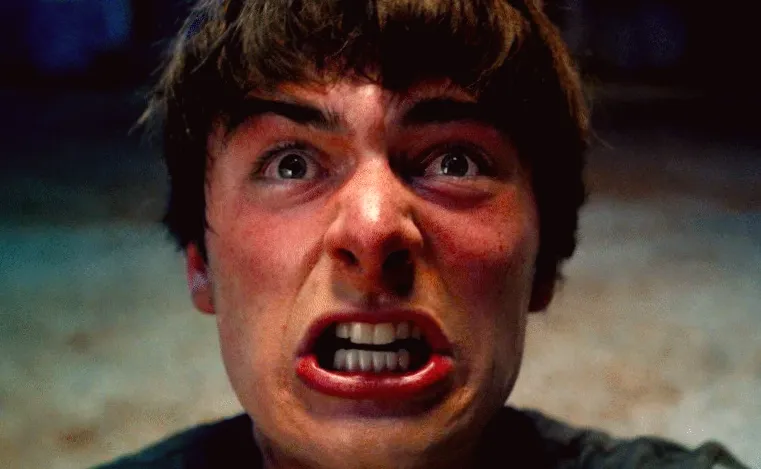
Ever notice that your favorite series now only has six to eight episodes per season, compared to the twenty-plus episodes that used to be standard? Or that it can take two to three years to produce these small seasons, whereas television used to deliver a full season annually? Maybe a serious drama or sci-fi series suddenly throws in a musical or puppet episode. Or youve observed dialogue and storylines that feel as overblown as a 1980s daytime soap opera.
Everything seems to be filmed on green screens, instead of on real locations or thoughtfully built sets, despite the massive budgets rivaling full-length films. Political messaging appears in nearly every show, even those intended for children. Visuals feel muted, scenes are often dimly lit, and new content frequently lacks creativity and color. What ties all of this together? The answer is simple: modern television is no longer designed for the audienceits created for the people making it.
Looking back at interviews with 1990s casts and crews, there was a clear focus on the intensity of productionthe grueling schedules, the hard work, and the dedication to delivering a high-quality experience for viewers. Movie actors preferred films for the workload and prestige, keeping the separation between film and TV distinct. Today, that line has blurred. Contemporary actors and creators often speak more about having fun on set than the effort involved, sometimes proudly admitting to heavy reliance on green screens just for convenience.
Take Stranger Things Season 5, for example. Each episode reportedly cost around $100 million, making it one of Netflixs most expensive productions. Yet most scenes look like they were filmed in front of LED walls in a warehouse. Much of the budget went to actor salaries, highlighting that the focus was more on paying the ensemble cast than on creating an immersive viewing experience.
Shows like Star Trek: Strange New Worlds also illustrate this shift. Last year, the series produced a musical episode, despite its core audience being older, logic-driven fans. The episode catered to the casts love of musical theater, not the fans of space exploration and intellectual storytelling. Its evident because the actors are clearly enjoying themselves, prioritizing personal enjoyment over audience expectations.
This trend extends beyond live-action. The third season of One Punch Man featured many low-effort, static animation frames. Fans were disappointed, yet the creators still benefited financially, proving that production now often rewards minimal effort over quality content for viewers.
Political messaging in modern shows functions similarly. It often serves as a badge of virtue for creators rather than enhancing the story for the audience. Short seasons with long production gaps, like eight episodes every two to three years, reflect convenience and profit for creators rather than viewer satisfaction.
In essence, the reason your favorite show may feel lackluster today is straightforward: its not made for you anymore. Its crafted for those making it.
Author: Noah Whitman
Share
The Top 15 TV Shows of 2025
1 days ago 4 min read ENTERTAINMENT

These TV shows are the top picks of 2025
2 days ago 4 min read ENTERTAINMENT

‘9-1-1: Nashville’ Boosts Strong Premiere Performance for ABC’s Thursday Night Dramas Alongside ‘9-1-1’ & ‘Grey’s Anatomy’
3 days ago 2 min read ENTERTAINMENT

Hate Watching Needs to Stop Following Disney's Surprising Early Renewal Announcement
4 days ago 3 min read MOVIES

10 Divisive Alterations Game Of Thrones Implemented From George R. R. Martin's Novels
5 days ago 4 min read MOVIES