

I Visited. I Witnessed. I Disliked It. America’s Most Controversial Attraction Lives Up to Expectations.
- HOME
- ENTERTAINMENT
- I Visited. I Witnessed. I Disliked It. America’s Most Controversial Attraction Lives Up to Expectations.
- Last update: 1 hours ago
- 3 min read
- 522 Views
- ENTERTAINMENT
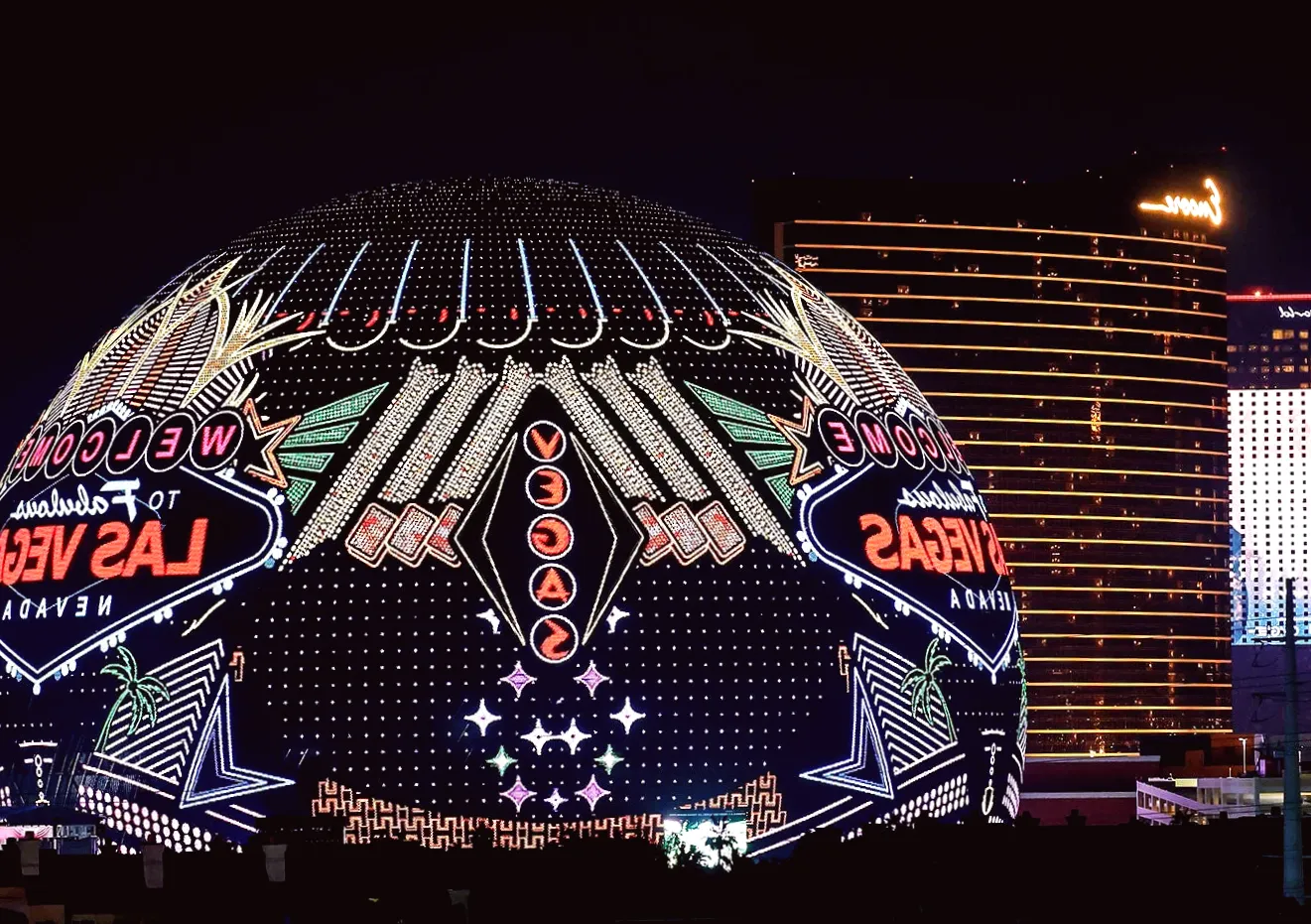
Ever since its unveiling, the Sphere on the northern edge of the Las Vegas Strip has been a source of fascination and unease. This colossal, orb-shaped venue, designed by MSG Entertainment, features a 160,000-square-foot wraparound LED displayroughly the size of three football fieldsthat produces images so sharp and vivid they almost feel physically overwhelming. Technologically, it is undeniably astounding, but my concerns were never about the tech itselfthey lie in the philosophy behind the experience.
When the Sphere debuted in 2023 with a U2 residency, videos circulated online of Bono dwarfed by the massive screen behind him, filled with dazzling landscapes. Watching him perform a song about the endurance of the human spirit while surrounded by such overwhelming visuals felt oddly disheartening. Is live music meant to connect audiences with the performers, or to awe them with sheer technical spectacle? My view leans clearly toward the former. Yet the Spheres popularity has been undeniable, attracting artists like the Backstreet Boys, The Eagles, Phish, and No Doubt, all capitalizing on the theaters larger-than-life capabilities.
On non-concert days, the Sphere turns into an extravagant movie theater. Starting in August, visitors could attend twice-daily screenings of a reimagined The Wizard of Oz, modified to match the venues immense scale. Using AI, the film expanded its landscapes, added CGI elements, and included haptic 4D effects. Tickets cost around $180, a steep price for a movie in the public domain, yet it attracted enough curiosity to keep the venue bustling.
During my visit, I navigated the Spheres towering escalators to a balcony seat, instantly engulfed by screens on every surfacethe walls, ceiling, and even the floor. The digital environment left no escape. The screening of The Wizard of Oz began, and the familiar sepia-dusted dust-bowl scenes were transformed into a fully immersive, high-fidelity spectacle. The tornado sequence was especially intense, with simulated winds, booming thunder, and cascading paper leaves. While technically impressive, this treatment fundamentally altered the original narrative and its subtler themes.
The Spheres adaptation eliminated slower, character-driven moments, replacing them with visually intense set pieces. Key scenes, like the Cowardly Lions song, were removed, and dialogue was drastically trimmed to make room for larger-than-life effects. Even Judy Garlands performances were digitally reanimated with AI for certain sequences. The result is undeniably stunning, yet emotionally hollow, stripping away the charm and nuance of the classic film.
Exiting the venue, the atriums mini-museum displayed century-old Oz books and ruby slippers, an homage to the films legacy. The Sphere aims to redefine spectacle in cinema, proving that audiences will flock to extreme sensory experiences even at the expense of storytelling. Despite my reservations, I couldnt help but imagine other epic films, like Empire Strikes Back, rendered in the Sphere. The experience would likely sacrifice subtle moments and narrative depth, yet the sheer scale and clarity of iconic scenes would be exhilarating.
Ultimately, the Sphere highlights a growing trend in entertainment: audiences craving intensity and immediacy over reflection and nuance. In Las Vegas, the venue has found a formula to captivate visitors, amplifying familiar stories into overwhelming sensory events. Whether one views this as a triumph or a compromise of artistry, the Sphere proves that spectacle, above all, commands attentionand often, it gets it.
Author: Noah Whitman