
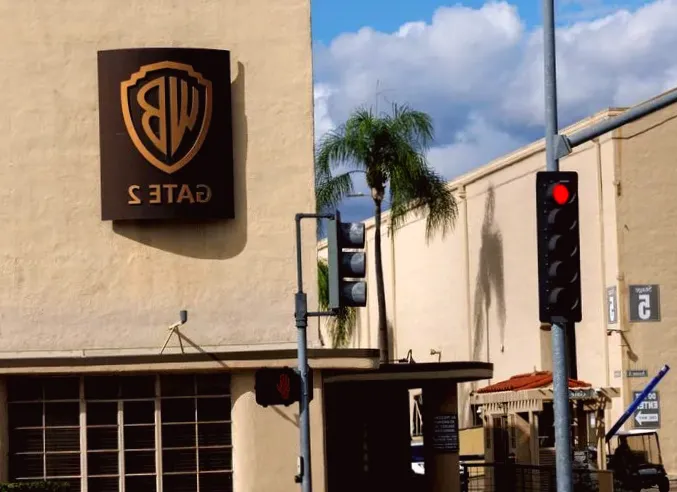
On December 5th, Hollywood unions and theater owners raised alarms about Netflix's proposed $72 billion acquisition of Warner Bros Discovery, warning that the merger could lead to significant job losses, increased industry concentration, and fewer theatrical movie releases if it passes regulatory scrutiny.
The proposed deal would bring the HBO brands under Netflix's control and place Warner Bros, a historic studio, under Netflix's influence. This acquisition comes as Netflix has already played a major role in shifting the film industry from traditional theater releases to home streaming platforms.
Netflix, known for hits like "Stranger Things" and "Squid Game," would gain access to blockbuster franchises, including "Batman" and "Casablanca," further consolidating its power in the entertainment sector.
In response to the merger, the Writers Guild of America (WGA), representing writers across various media, issued a statement declaring, "This merger must be blocked. The worlds largest streaming service consuming one of its biggest competitors is exactly what antitrust laws were designed to prevent."
The deal is currently under antitrust reviews in both the U.S. and Europe, with lawmakers already expressing doubts. The WGA voiced concerns about potential job cuts, lower wages, rising consumer prices, and worsening working conditions for entertainment professionals.
Netflix has stated it anticipates annual cost savings of $2 billion to $3 billion by the third year following the deal's completion.
Cinema United, an association representing over 30,000 movie screens in the U.S. and 26,000 internationally, warned that the merger could eliminate up to 25% of the annual domestic box office revenue. Netflix does release some of its films in theaters before streaming them, but the company reassured that it would continue to support theatrical releases for Warner Bros films and Hollywood professionals. Netflix emphasized that the merger would result in more content for subscribers, boost U.S. production, increase spending on original content, and create more job opportunities for creative talent.
However, Cinema United's President, Michael O'Leary, called the deal "an unprecedented threat" to the industry and questioned Netflixs commitment to maintaining current levels of theatrical distribution. "Sporadic and truncated theatrical releases to meet awards criteria in a few theaters are not a genuine commitment to movie exhibition," O'Leary stated.
Additionally, the Hollywood Teamsters, representing a variety of workers in the entertainment industry, opposed the merger. They called for widespread opposition to the deal and urged antitrust authorities to block it. The union emphasized that corporate consolidation fueled by greed poses a direct threat to union jobs and the overall health of the entertainment industry.
The Directors Guild of America (DGA) took a more cautious approach, expressing significant concerns that needed to be addressed with Netflix. "We will be meeting with Netflix to discuss our concerns and better understand their vision for the company. Until then, we will not comment further," said the DGA in a statement.
The Screen Actors Guild American Federation of Television and Radio Artists (SAG-AFTRA) also raised concerns, stating that the merger "raises many serious questions." The union indicated it would provide further comments after thoroughly analyzing the potential effects on its members.