

Elton John's Name Origin: 'Reg Definitely Got the Last Laugh'
- HOME
- ENTERTAINMENT
- Elton John's Name Origin: 'Reg Definitely Got the Last Laugh'
- Last update: 2 hours ago
- 3 min read
- 254 Views
- ENTERTAINMENT
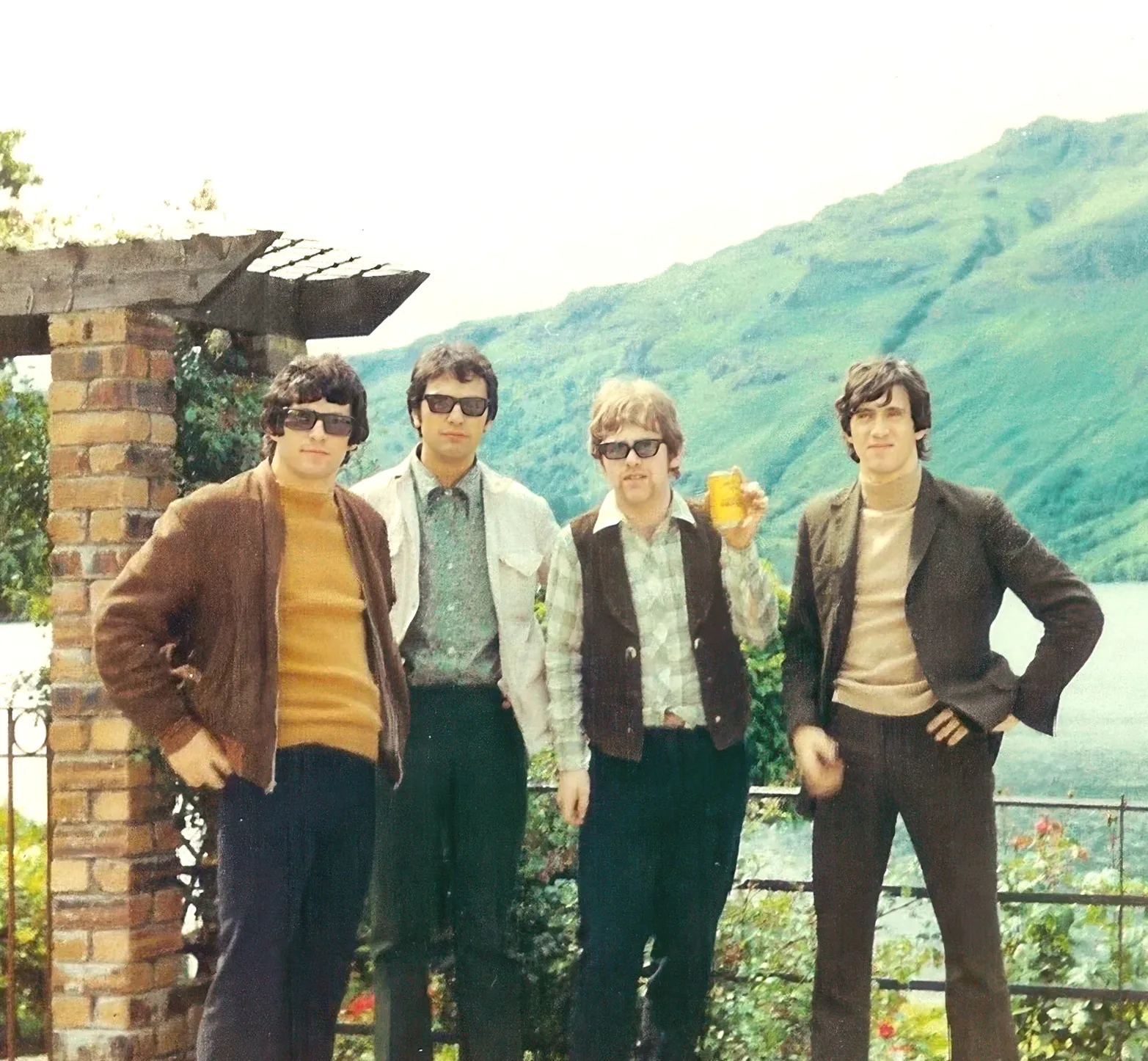
During the 1970s, Gentle Giant stood out as one of the U.K.s beloved cult prog-rock bands. They achieved moderate success in both the U.K. and the U.S., reaching a peak in 1975 with the album Free Hand, which climbed to Number 40 in the U.K. and Number 48 in the U.S. This level of success allowed them to build a dedicated fan base and mingle with the eras mainstream rock artists.
In Derek Shulmans memoir, Giant Steps: My Improbable Journey From Stage Lights to Executive Heights, co-written with Jon Wiederhorn, he reflects on his musical journey, which included early encounters with Black Sabbath and Jethro Tull. He also recounts his transition to the music industrys executive side, working with acts such as Bon Jovi, Slipknot, Pantera, and AC/DC.
In an excerpt from the memoir, Shulman recalls his preGentle Giant years, when a young pianist named Reginald Dwight briefly filled in for his psychedelic rock band, Simon Dupree and the Big Sound, in 1967. Just before a Scotland tour, their keyboardist fell ill, and they urgently needed a replacement. Reg Dwight, soon to be known as Elton John, stepped in. At the time, he earned 10 per week under his manager Dick James. Shulman recalls meeting him in London, noting his humility and remarkable talent. Reg immediately impressed them with his ability to play a wide variety of piano styles, from blues and American standards to British pop and psychedelic sounds.
He eagerly accepted their offer of 2530 per week to tour, thrilled at the opportunity. During rehearsals in Portsmouth, Shulman notes, Reg was open and chatty, sharing personal struggles and thoughts about his romantic life, and bonding with the band over shared musical interests, including American blues heard on U.S. Air Force Radio broadcasts.
On tour, Reg displayed quirky habits, like collecting small trinkets at every stopsnow globes, yo-yos, candlesticks, and even expensive-looking watcheswithout concern for cost. Despite these eccentricities, he proved to be an exceptional and versatile musician.
Even after their original keyboardist returned, Shulman and his band maintained contact with Reg. He suggested music from Spirit, Frank Zappa, and Miles Davis as inspiration, broadening their creative horizons. Reg also shared his own compositions, including the song I'm Coming Home, which they recorded but never released at the time due to band tensions.
By 1969, when Shulman sought musicians for a new project, Reg offered songs he had written, but the music leaned too much toward R&B and pop for the bands evolving experimental direction. He graciously accepted their rejection and later revealed his plan to adopt a stage name. He combined the first name of saxophonist Elton Dean and the last name of singer Long John Baldry to become Elton John. Shulman admits they initially thought it was a ridiculous choice, but history proved otherwise.
By 1970, Elton John, collaborating with lyricist Bernie Taupin, rose to stardom with hits like Your Song, performing in packed venues while Shulmans band was still finding its footing. Reg, indeed, had the final laugh.
Author: Ethan Caldwell
Share

Nigella Lawson launches a pub training program for young people
24 seconds ago 2 min read ENTERTAINMENT

Dachshund's Expectation for Parent to Retrieve His Ball Is Highly Relatable
30 seconds ago 2 min read ENTERTAINMENT

Georgia dominates Alabama in SEC championship, potentially eliminating Tide from CFP completely
1 minutes ago 3 min read ENTERTAINMENT

Awkward Encounter Between Kirk Herbstreit and Nick Saban on 'College GameDay' Grabs Spotlight
2 minutes ago 2 min read ENTERTAINMENT

The overlooked coastal getaway of Jane Austen in Sussex
2 minutes ago 2 min read ENTERTAINMENT

Tucker Wetmore's Song 'Proving Me Right' is Inspired by Model Bryana Ferringer
3 minutes ago 1 min read ENTERTAINMENT

Alix Earle and NFL Player Boyfriend Braxton Berrios Make Significant Relationship Choice
4 minutes ago 2 min read ENTERTAINMENT

Disturbing images from Goodwill warehouse provoke outrage: 'More terrifying than expected'
4 minutes ago 2 min read ENTERTAINMENT

The Costliest Liquid on Earth—And the Farmers Who Produce It
4 minutes ago 2 min read ENTERTAINMENT

People Share "Old Person" Habits They Swear By, And I'm Adopting Them ASAP
5 minutes ago 2 min read ENTERTAINMENT