

Caribbean Boat Collisions and the Proper Use of Special Forces
- HOME
- ENTERTAINMENT
- Caribbean Boat Collisions and the Proper Use of Special Forces
- Last update: 1 hours ago
- 4 min read
- 587 Views
- ENTERTAINMENT
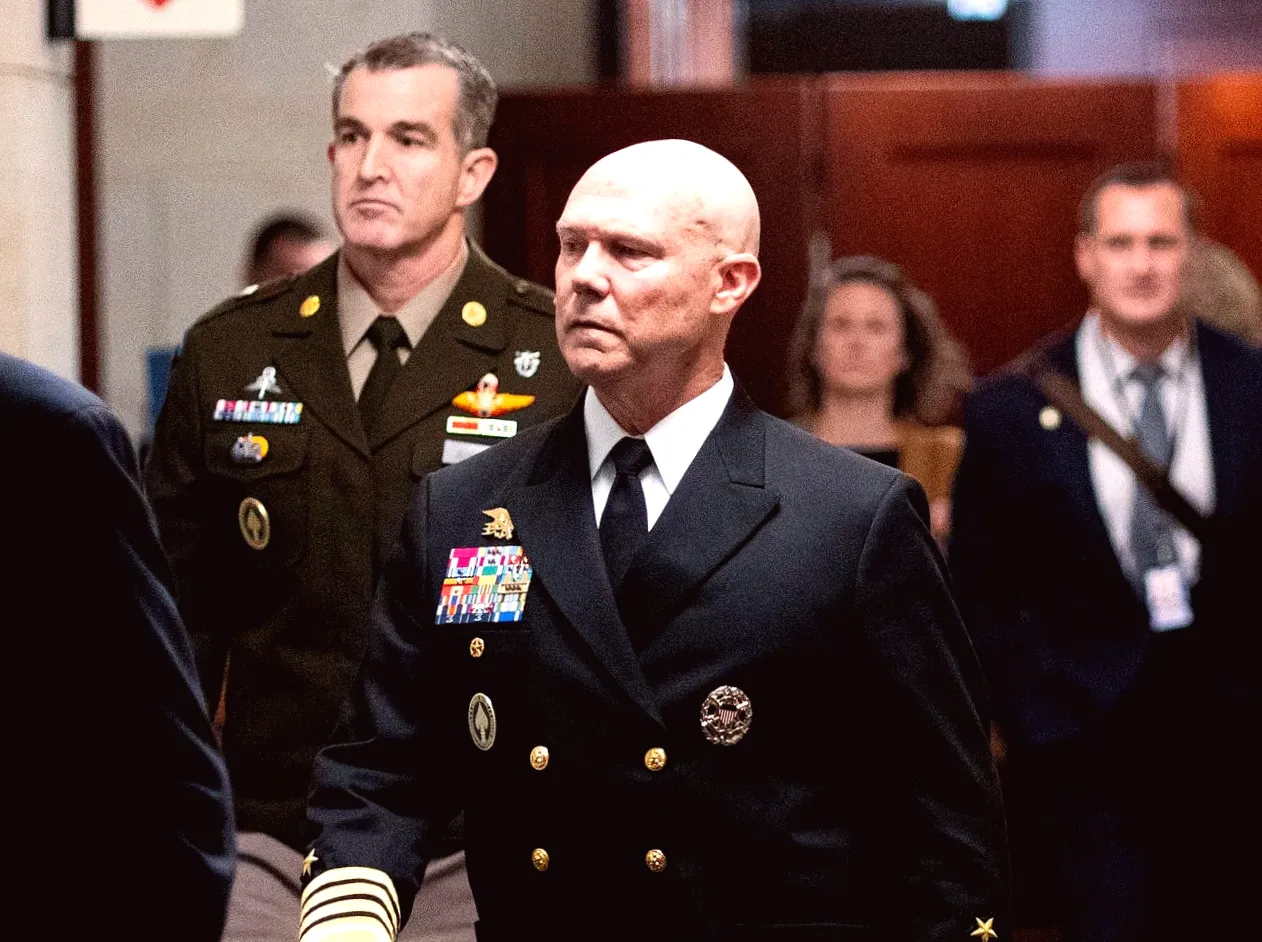
The recent debate surrounding U.S. strikes on vessels near the northern coast of South America has reached the highest levels of military leadership, from the Secretary of Defense to multiple four-star generals. While the principle of unified command is central to military operationsand widely applied in American business and leadership practicesthe overlapping chains of command in this region have created controversy, particularly regarding the September 2 incident now under Congressional scrutiny.
That boat strike involved special operations forces acting through a command structure that appears to have bypassed the areas designated commander. In the Caribbean, waters off Venezuela, and the Eastern Pacific, the U.S. faces intertwined challenges: government corruption, international crime networks, drug trafficking, and political instability. Special operations forces are well suited for such missions, but only when integrated into a coherent strategy that combines military power, diplomacy, economic tools, and intelligence under a clear chain of command.
The Southern Command, led by Adm. Alvin Bull Holsey, holds operational responsibility for this region. Adm. Holsey coordinates with foreign partners, intelligence agencies, other government entities, and special operations forces, alongside other four-star-led combatant commands such as Transportation Command and Cyber Command. Evaluating whether these collaborations functioned effectively is a key part of understanding the September 2 event.
Recent interactions with Venezuelan vessels highlight both the potential and the risks of using special operations forces outside conventional combat zones. Precision, professionalism, and international partnership define U.S. special operations forces. Yet, history shows they achieve the greatest impact when integrated into transparent command structures that align tactical actions with national strategy. Operating in isolation from diplomatic, informational, and economic instruments often leads to operational failures.
The U.S. military is composed of multiple specialized communities. Tanks, submarines, surface ships, aviation units, and special operations all maintain unique cultures and capabilities. Special Operations Command (SOCOM) is a network of highly specialized units, each tailored for distinct missions but united by shared doctrine and command structures. Success depends on careful integration rather than isolated deployment.
The modern SOF system was shaped by early failures such as the 1980 Desert One mission in Iran, where a hostage rescue attempt ended in disaster due to equipment failure, poor inter-service communication, and fragmented command. Eight servicemen were killed in a helicopter collision, exposing systemic weaknesses and prompting reform. This led to the creation of SOCOM under Gen. James J. Lindsay, emphasizing shared doctrine, intelligence, training, and unified command across all special operations units.
Joint Special Operations Command (JSOC), under SOCOM, handles the most sensitive counterterrorism missions. These forces operate with precision, collecting actionable intelligence in real time. A disciplined approach to target engagement, known as the double tap in SOF terminology, ensures effective neutralization of threats while remaining compliant with laws of war. Misuse of this term in public discourse misrepresents its intent and undermines understanding of tactical decision-making.
Operational effectiveness relies on coordination with conventional forces, intelligence agencies, and international partners. In Iraq, integration of SOF with conventional commands through liaison officers and fusion cells improved information sharing and operational outcomes. However, the expansion of special operations forces over the past two decades, coupled with high-profile successes, has sometimes led to their deployment without clear strategic guidance, diverting them from foundational missions like partner force development.
Today, the greatest impact of special operations forces comes when missions are clearly defined, authorities are well-structured, and operations are aligned with broader strategy. Misapplication or over-reliance on these forces in the absence of coherent policy can create risk rather than resolve challenges.
As Congress investigates the September 2 boat strike, critical questions include whether SOCOM and Southern Command operated cohesively or if parallel chains of command created confusion. The ideal deployment would see Green Berets focus on building local partner capacity, while Naval Special Warfare and Marine special operators support maritime interdiction, and the Coast Guard leads law enforcement missions. Intelligence agencies must be involved from the start, and all actions must be coordinated across multiple command levels to ensure clarity, legality, and effectiveness.
Author: Benjamin Carter
Share
Navy admiral briefing lawmakers on overseeing strike on boat survivors
12 hours ago 4 min read POLITICS
Survivors of boat collision did not call for help, Bradley informs lawmakers: Report
12 hours ago 3 min read WORLD
The 'Threat' Used to Justify Killing 2 Boat Attack Survivors Was Purely Speculation
17 hours ago 4 min read WORLD
Pentagon reports four men killed in another boat strike in the Pacific
1 days ago 1 min read POLITICS

US attacks another vessel in the Eastern Pacific, resulting in four deaths, as concerns grow about its anti-drug operations.
1 days ago 2 min read WORLD

Pentagon reports 4 deaths in recent attack on suspected drug vessel
1 days ago 2 min read WORLD
Sources Allege Pete Hegseth Ousted Black Admiral for Questioning Legality of Drug Boat Bombings
1 days ago 3 min read POLITICS
US military reports 4 men killed in strike on suspected drug boat
1 days ago 2 min read POLITICS
Military leaders update legislators on attacks on suspected drug vessels
1 days ago 2 min read POLITICS
Experts say Venezuelan boat strike on survivors is a 'textbook example' of an illegal order
1 days ago 3 min read WORLD